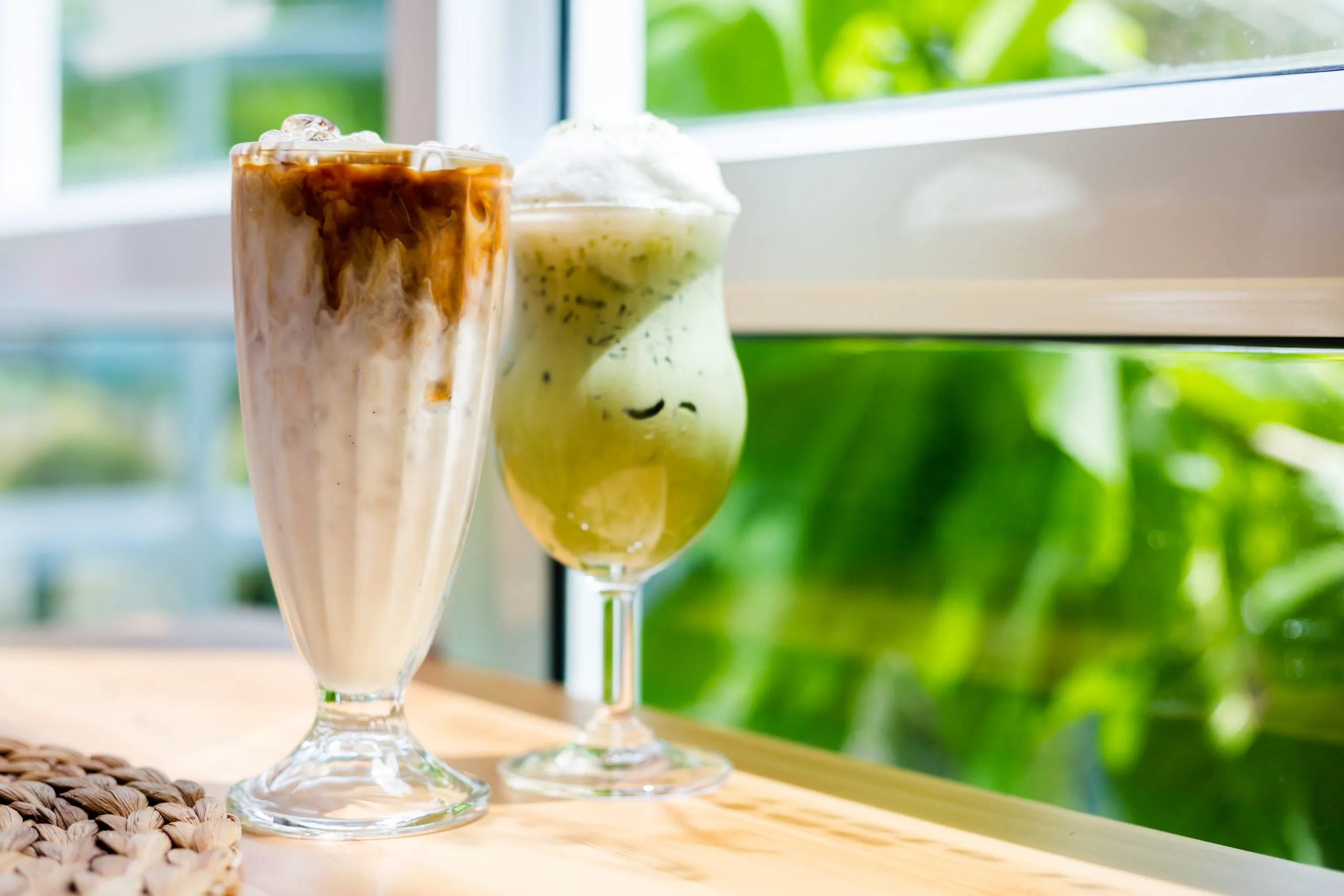
Launching Frozen Drinks at a New Coffee Shop
Launch new coffee shop frozen drinks in 30 days. Trial a sample bag, size your first case order, and train baristas on standard builds.
Share This Article


A creamy frappe mix is not creamy by accident. The thick, smooth texture that people expect from a blended iced drink usually comes from a smart balance of texture ingredients, sweeteners, solids, and blending behavior, not from flavor alone.
That distinction matters for coffee shops, restaurants, bars, and home baristas. A drink can taste like vanilla, mocha, caramel, mango, or espresso and still fall flat if the body is watery, the foam disappears too quickly, or the ice separates after a minute or two.
The best mixes are built to solve those texture problems before the blender even turns on.
When people describe a frappe as creamy, they are usually reacting to a combination of sensory traits. The drink should feel full rather than thin, smooth rather than icy, and stable rather than separated. Flavor matters, but texture often decides whether the drink feels premium.
According to FDA ingredient guidance, gums like guar gum and xanthan gum are used as stabilizers and thickeners that help produce a uniform texture and improve mouth-feel. That language is useful because it gets to the core of what a creamy frappe mix is supposed to do. It should hold the drink together.
A well-designed mix often aims for several texture goals at once:
Creaminess is also tied to consistency. A frappe that looks perfect for thirty seconds and then turns slushy or watery is not doing its job. That is why many commercial mixes are built with ingredients that support viscosity and stability across different drink bases, whether the blender jar holds coffee, fruit, syrups, water, or even alcohol.
A creamy frappe mix usually contains more than one type of functional ingredient. Some create thickness. Some help liquids and fats stay blended. Some add body through solids. Some support sweetness and freeze-point control. The result is a drink that feels rich even when it is made quickly.
The table below breaks down the most common building blocks.
| Ingredient category | What it does in a frappe mix | Texture effect |
|---|---|---|
| Stabilizers and thickeners | Help bind water, reduce separation, and support uniform texture | Fuller body, smoother sip |
| Gums like xanthan and guar | Increase viscosity at low use levels | Creamier mouth-feel, better hold |
| Emulsifiers | Help keep fat and water phases blended | Less separation, more rounded texture |
| Dry solids | Add bulk and body beyond sweetness | Richer feel, less watery finish |
| Sweeteners | Contribute flavor and freezing behavior | Better blendability and softer texture |
| Fat replacers or creamy agents | Mimic richness without heavy dairy | Smoother, more indulgent feel |
This is why a “creamy” mix is usually different from a simple flavored powder. Flavor alone can make a drink taste sweet or recognizable, but it will not automatically create the dense, milkshake-like body that many customers expect from a blended beverage.
Some bases are also designed to stay neutral in flavor. That lets an operator build signature drinks without fighting a strong vanilla or dairy profile in the background.
Xanthan gum and guar gum show up often in frozen drink systems because they are efficient texture builders. The FDA lists both among ingredients used to thicken and stabilize foods while improving mouth-feel. In frozen drinks, that can mean a frappe that pours smoothly, holds its body longer, and resists quick separation.
Academic work backs up that practical use. A 2018 PubMed-indexed study looked at xanthan gum and guar gum mixtures and measured viscosity under different conditions. That matters because blended drinks are not static. Sugar level, acidity, and the rest of the formula can shift how the final drink feels. Gum systems that keep good viscosity across those conditions are valuable in real menus.
Used well, these gums do not need to make a drink heavy or gummy. Their job is to support a creamy impression while keeping the beverage pleasant to sip.
Emulsifiers are another big part of the story. They help ingredients that do not naturally stay together remain better dispersed. In drinks with fat components or creamy notes, that can help create a smoother, more unified texture.
A 2020 PubMed-indexed study examined xanthan gum and guar gum in sodium caseinate-stabilized oil-in-water emulsions and looked at stability, microstructure, and rheological properties. That language may sound technical, but the takeaway is simple: stable emulsion systems tend to support a more creamy beverage texture.
Some traditional creamy systems use dairy-derived ingredients like sodium caseinate. The FDA has described sodium caseinate as a binder, emulsifier, whipping agent, and a prime constituent of nondairy cream. Yet creamy texture does not depend on dairy alone. Modern frappe bases can use dairy-free systems that still blend into a rich, smooth drink with water and ice.
A neutral base is especially useful when a business wants flexibility. Rather than stocking separate powders for mocha, vanilla, caramel, fruit smoothie blends, and specialty frozen drinks, an operator can start with one creamy base and layer flavors as needed.
That approach supports menu creativity without adding clutter. Frozen Xplosion’s Everybase is one example of this style of product. The company describes it as a neutral dry powder that turns into a creamy frappe, smoothie, or frozen highball when blended with ice and liquid. The product page also states that the original base contains 11 ingredients and is positioned as dairy free and gluten free.
For buyers, that kind of base can make creamy drinks more practical across several dayparts. A coffee shop can use it for espresso frappes. A restaurant can use it for fruit coolers. A bar can use it for frozen cocktails. A home barista can use the same approach for café-style drinks without building a large pantry of separate mixes.
That flexibility often appeals for straightforward reasons:
The practical point is simple. A creamy frappe mix becomes more valuable when it is not locked into one flavor lane.
Not every frappe mix that promises a rich drink will perform the same way in a busy setting. Some taste fine but break down quickly. Some blend well with coffee but struggle with fruit. Some require milk to feel creamy, which may limit flexibility.
A strong buying checklist should focus on performance first. Texture claims are most meaningful when they show up in the cup after blending with ordinary ingredients and routine staff training.
Useful questions include:
Shelf stability can also be a major advantage. Dry mixes that do not need refrigeration before opening often help businesses manage storage more easily, reduce waste, and keep backup inventory on hand.
Claims like dairy free, gluten free, and no high fructose corn syrup may matter too, depending on the menu and customer base. Those claims do not create creaminess by themselves, but they can make a creamy frappe mix more versatile in modern beverage programs.
Even a strong mix needs the right method. A frappe base can only do so much if the ice ratio is off, the blender cycle is too short, or extra liquid pushes the drink past its intended texture.
Order of operations matters. Many operators get the best texture when liquid goes in first, then the dry base, then ice. That setup often helps the blades catch and circulate the mixture more evenly.
A few common habits can protect the creamy texture that the mix is designed to create.
Small changes can noticeably affect body, foam, and melt.
As instrumentation-focused supplier PA Teknik notes, objective texture measurements—viscosity curves, gel strength and flow behavior are routinely used in R&D to tune frappe bases so body and stability hold up across different ice loads and liquids.
A common assumption is that creamy always means milk-heavy. In practice, a well-built dairy-free frappe mix can still feel full and smooth. The trick is using the right balance of stabilizers, thickeners, solids, and creamy agents so the drink has structure instead of relying only on dairy fat.
This is one reason dairy-free neutral bases have gained attention across foodservice. They give operators more menu freedom while still producing a rich blended drink. When the formula is built correctly, the end result can feel indulgent without needing milk as the foundation.
That matters for more than dietary preference. It also creates flexibility for cafés and bars that want one base for espresso drinks, fruit beverages, and frozen cocktails without swapping products all day.
The same texture principles show up whether the drink is coffee-based or fruit-forward. Espresso can add bitterness and depth, fruit concentrates can add acidity and sugar, and alcohol can shift body and stability. A creamy base has to handle those changes without losing its identity.
That is why neutral systems are appealing in real operations. Frozen Xplosion notes that its original base can mix with coffee, espresso, cold brew, fruit, flavored syrups, alcohol, and other creative ingredients. A base that keeps its creamy feel across that range can help a business build drinks that taste distinct while still delivering a familiar, polished texture.
For anyone evaluating creamy frappe mix options, the core test remains simple: the best products do more than flavor a drink. They create body, hold the blend together, and make custom beverages feel intentional from the first sip to the last.
One neutral-flavored base, unlimited drinks. Add your own ingredients and create a menu your competitors can’t copy.
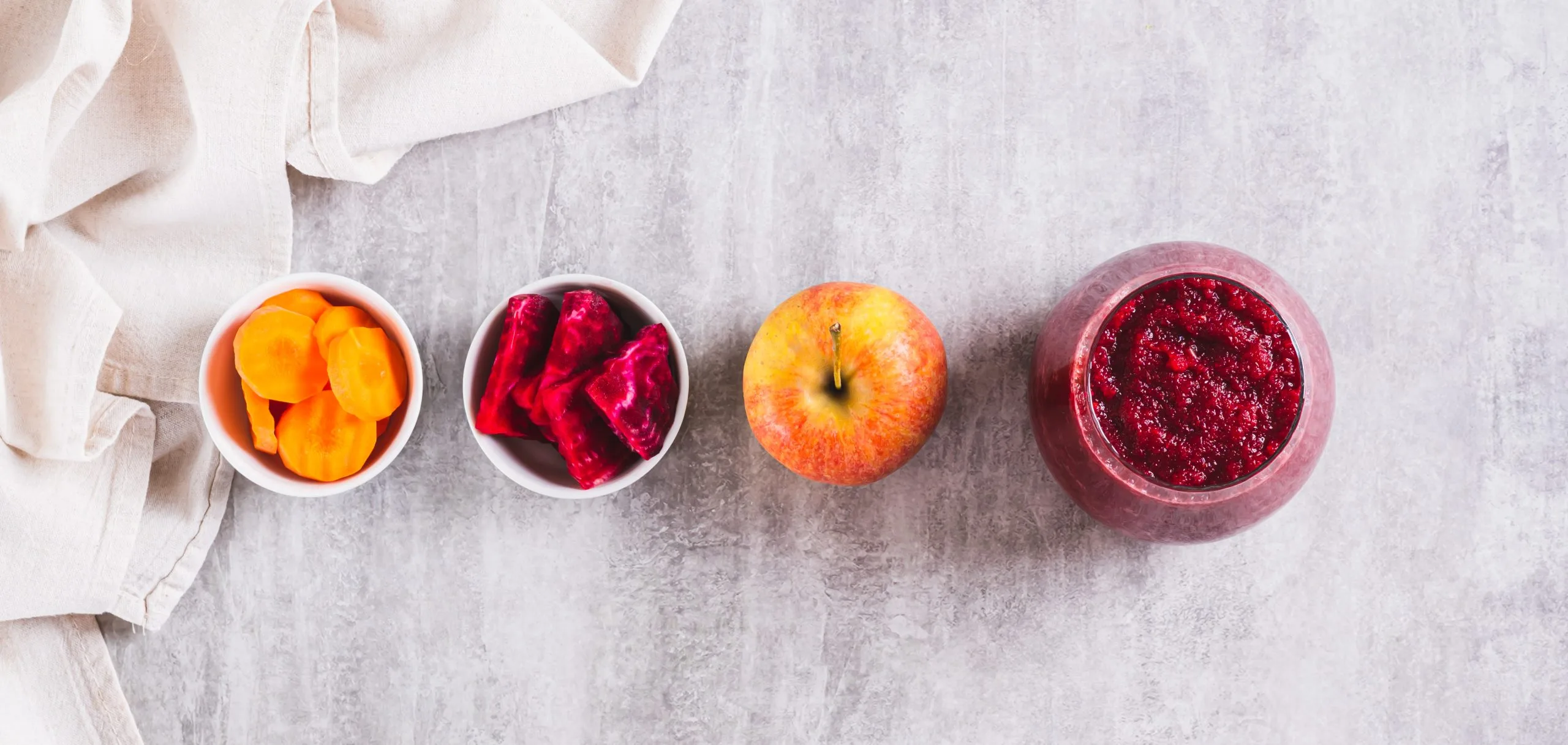
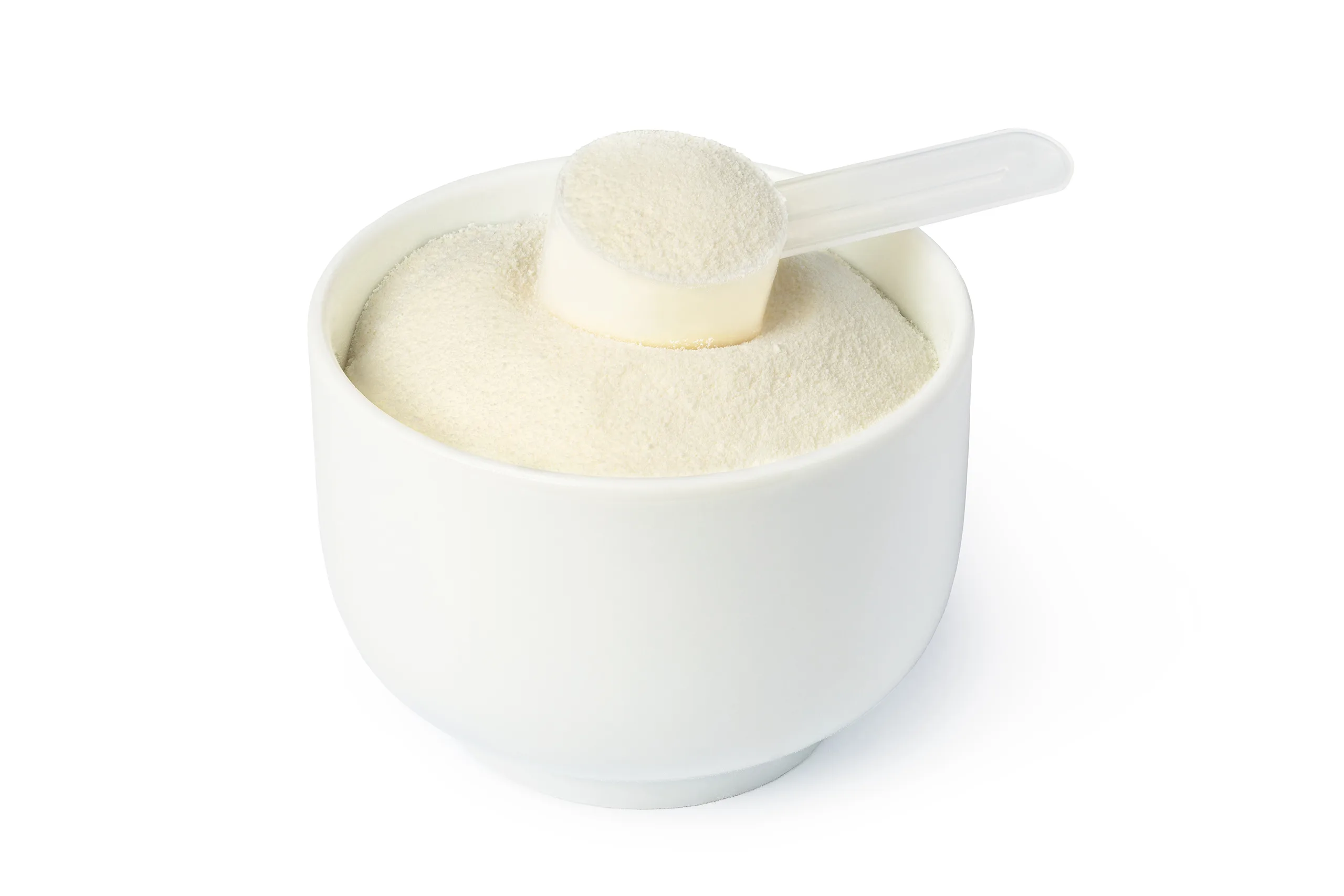
Make drinks your way, with endless possibilities! Frozen Xplosion Original Frappe & Smoothie Base mixes with just about anything: coffee, espresso and cold brew, fresh fruits and veggies, flavored syrups, alcohol and even donuts!

eCommerce Website Design by Wapiti Digital