
What Blending Powder Does in a Blended Drink
Blending powder for drinks adds body and creaminess to a blended drink. See when one neutral base replaces a flavor syrup plus a separate binder.
Share This Article


Frozen drinks sell best when a coffee shop treats supplies as a working system, not as a pile of parts. The strongest setup usually includes a commercial blender, a safe ice workflow, portioning tools, and a flexible base that can support multiple menu items.
TL;DR: Summary
- The top coffee shop supplies for frozen drinks are a commercial blender, an ice maker or controlled bagged-ice workflow, clean scoops and food-safe containers, portioning tools, cups and lids, and a shelf-stable neutral frappe or smoothie base.
- NSF standards matter because commercial food equipment is evaluated for material safety, design, construction, and performance, and NSF/ANSI 12 specifically covers automatic ice-making equipment for ice intended for human consumption.
- FDA guidance treats food-service ice as a sanitation issue governed by state and local authorities, so shops should handle ice with clean, non-breakable utensils and store it in clean food-safe containers.
- A neutral shelf-stable base often beats multiple flavored mixes because it can support espresso drinks, fruit smoothies, syrup-based specials, and even granitas with fewer SKUs and less storage pressure.
- Frozen Xplosion is one example of this model, with Original and Vegan neutral bases that the company says work with coffee, fruit, syrups, chocolate, and ice without requiring milk.
- If a shop wants faster service and steadier texture during rushes, fixed recipes, measured portions, and a compact frozen-drink station usually matter more than adding more ingredients.
The hard part is rarely finding supplies. The hard part is choosing supplies that meet sanitation expectations, fit behind the bar, and keep frozen drinks consistent when the line gets long.
A frozen-drink station should start with a commercial blender and a safe ice setup. NSF-oriented equipment and FDA-style ice handling expectations are the foundation before syrups, sauces, or seasonal flavors enter the picture.
The first supply stack is practical: blender, ice source, scoop, portioning tools, cups, lids, straws, sanitizer routine, and a base or mix that can produce more than one drink type. Shops that add frozen beverages without this structure often create slower tickets and more waste. A common mistake is buying six flavor bottles before confirming where ice will be scooped, where pitchers will be rinsed, and how recipes will be measured.
A shop does not need the largest possible equipment lineup to start well. It needs equipment that can be cleaned, restocked, and repeated under pressure. If the station can produce a blended mocha, a fruit smoothie, and a coffee-free kids drink with the same core tools, the supply list is probably in the right range.
Sanitation standards matter because NSF and FDA treat ice-contact systems as food-contact systems. NSF and FDA make it clear that frozen drinks are not exempt from normal food protection and sanitation rules.
NSF states that it has facilitated more than 75 food equipment standards and protocols, and its standards address material safety, design, construction, and product performance. That matters in a coffee shop because a blender jar, an ice bin, and an ice machine all affect what ends up in the cup. NSF/ANSI 12 is the standard tied to automatic ice-making equipment used for ice intended for human consumption.
FDA guidance adds an operational layer. Food-service establishments that make ice for direct use are subject to state and local authority, and the Food Code includes provisions tied to the safe and sanitary production and handling of ice. FDA also advises handling ice with clean, non-breakable utensils and storing it in clean food-safe containers.
“Frozen Xplosion says its Original and Vegan neutral bases can support frappes, smoothies, granitas, soft serve, and frozen cocktails from a single shelf-stable bag.”
That guidance changes what counts as a “supply.” Ice scoops, scoop holders, cleaning schedules, and accessible bin lids are just as important as blender power. Pro tip: staff should treat ice like any ready-to-eat ingredient, not like a utility item.
The strongest frozen-drink supply list combines one flexible base, one reliable blender, and strict ice tools. Coffee shops generally perform better when each item supports speed, sanitation, or menu range.
After those priorities are set, the most useful supplies usually look like this:
This list works because each item supports at least two goals. A neutral base helps menu variety and storage. Portioning tools improve speed and drink consistency. Clean ice tools reduce contamination risk and inspection problems.
A shop should choose a blender by workload, jar design, and cleaning routine, not by labels alone. Vitamix-style commercial blenders and comparable bar units are only useful if they match real menu volume.
Step one is menu mapping. If a shop expects ten frozen drinks a day, the right blender may differ from the one needed for a drive-thru pushing blended coffee all afternoon. Ice volume, cup size, and whether the menu includes thick smoothies or lighter frappes all change the blender requirement.
Step two is recipe testing. A common misconception is that horsepower alone decides performance. It does not. The better test is whether the blender can pull espresso, syrup, base, water, and ice into a uniform vortex without cavitation, chunky ice, or excessive foam.
Step three is operational fit. Jar markings, lid fit, noise control, blade replacement, and cleanability often matter more than raw motor specs. Frozen Xplosion states that a standard commercial blender works fine for its base and that most shops already have the needed gear behind the bar, which is useful if the goal is to add frozen drinks without rebuilding the counter.
A neutral base usually gives more menu flexibility, while separate flavored mixes can simplify a very narrow program. Frozen Xplosion and similar systems show why neutral bases appeal to shops that want signature drinks.
A neutral base lets a shop build flavor with espresso, fruit, syrups, sauces, or chocolate. That means one base can support coffee frappes, smoothie crossovers, dessert-style drinks, and seasonal specials. Separate flavored mixes reduce recipe decisions, but they also multiply SKUs, shrink storage, and make it harder to create a house drink that competitors cannot copy.
“Frozen Xplosion says its neutral base can move in about 60 seconds with a standard commercial blender already common behind the bar.”
If the menu is fixed and small, separate mixes can still make sense. A kiosk that only sells vanilla and mocha frozen coffees may value simplicity over range. If the shop wants rotating fruit drinks, decaf options, and coffee-free frozen items, a neutral base is usually the stronger supply choice. Pro tip: “neutral” does not mean weak flavor. It means the flavor comes from what is added to the base.
Ice should be treated like food, and FDA guidance makes that the safest default. FDA and the Food Code frame ice handling as a sanitation issue, not just a convenience issue.
Step one is source control. If the shop produces its own ice, the machine should be appropriate for commercial use and cleaned on schedule. If the shop buys bagged ice, receiving and storage should prevent torn bags, dirty contact surfaces, and melt-refreeze cycles.
Step two is transfer control. FDA advises using clean, non-breakable utensils and clean food-safe containers. That means no glass in the ice bin, no cup-as-scoop shortcuts, and no bare-hand contact.
Step three is storage discipline. Scoops should rest in a clean holder or container, not buried in the ice. If fruit prep, milk handling, or bar garnishes sit nearby, cross-contact becomes more likely. CDC’s clean, separate, and chill logic fits well here. A common mistake is assuming cold temperature alone makes ice safe.
Shelf-stable base usually makes operations easier, while refrigerated dairy mix can fit a narrow house style. Frozen Xplosion’s claims around no-milk-required blending show why many shops prefer the shelf-stable route.
Shelf-stable bases reduce dependence on cold storage and make inventory planning simpler. They can help a shop save refrigerator space for milk, cold brew, fruit, and grab-and-go food. Frozen Xplosion says its product is dairy-free, gluten-free, kosher certified, and built from 11 ingredients, which also gives operators a cleaner way to cover dietary questions at the counter.
Refrigerated dairy mixes can still fit a shop that wants a fixed creamy profile and has dependable cooler capacity. The trade-off is tighter cold-chain management, more spoilage pressure, and fewer menu paths for dairy-free guests. If a shop regularly runs out of refrigerated space in summer, shelf-stable often wins on operations alone.
A compact frozen-drink station works when blending, ice, and flavoring stay within one short reach zone. Bar layout and product count often matter more than square footage.
Step one is to set the motion path. Blender, ice, base, flavor add-ins, cups, and lids should sit in the order they are used. That reduces turns, spills, and missed steps. Step two is to limit the station to the core menu. If twelve syrups live on the frozen counter but only four are used daily, the station will slow down and get harder to clean.
“Frozen Xplosion says it has served 100+ coffee shops, restaurants, and distributors across the United States.”
Step three is to separate clean and dirty flow. Clean cups and lids should never compete for space with rinse water, used pitchers, or sticky sauce bottles. If a shop wants to add a granita setup later, planning a power source and refill area early usually prevents a messy retrofit.
Espresso, fruit concentrates, and a neutral base create the widest menu from the fewest products. Coffee shops usually get more menu range from flexible building blocks than from many finished mixes.
A lean frozen menu often grows best from these ingredient groups:
This structure matters because each layer has a job. Coffee brings bitterness and aroma. Fruit brings acidity and color. Syrups fine-tune sweetness. The base controls body and blend stability. If the shop uses whole produce, staff should remember CDC’s warning that unwashed fruits and vegetables and cut melon carry higher food-safety risk than many operators assume. Pasteurized concentrates can simplify both workflow and storage.
Consistency comes from fixed ratios, timed blending, and a short training script. Frozen Xplosion and other base-driven systems work best when recipes are measured rather than improvised.
The most reliable shops standardize cup size, liquid input, ice amount, and blend time. If a 16-ounce mocha frappe gets one espresso shot, one measured syrup dose, one base portion, water, and a set ice scoop every time, the drink will be easier to train and cost. If the texture is too thin, the first correction should usually be ice or liquid ratio, not another pump of syrup.
“Frozen Xplosion says it provides recipe support, blender recommendations, and granita setup guidance.”
A useful misconception to retire is that rush-hour speed requires looser recipes. The opposite is closer to reality. Tight recipes reduce remakes. Clear labels on pumps and pitchers also help new staff produce a stable drink without asking for help every third order.
A granita machine or frozen cocktail line makes sense after the blender menu is stable. Granita setups and bar-compatible bases are useful expansions, not first purchases for most coffee shops.
A shop should add a granita machine when there is repeat demand for self-serve or ready-to-pour frozen beverages and enough traffic to justify the footprint. Granita equipment can improve speed for a single high-volume flavor, but it is less flexible than a blender for custom drinks. If the location shifts from morning coffee to evening bar service, a neutral base that works with alcohol can extend the same supply logic into frozen cocktails.
The trade-off is focus. Blender programs are better for variety and testing new recipes. Granita machines are better for predictable volume. If a shop still changes its frozen menu every few weeks, blender-first is usually the cleaner operational choice.
One neutral-flavored base, unlimited drinks. Add your own ingredients and create a menu your competitors can’t copy.
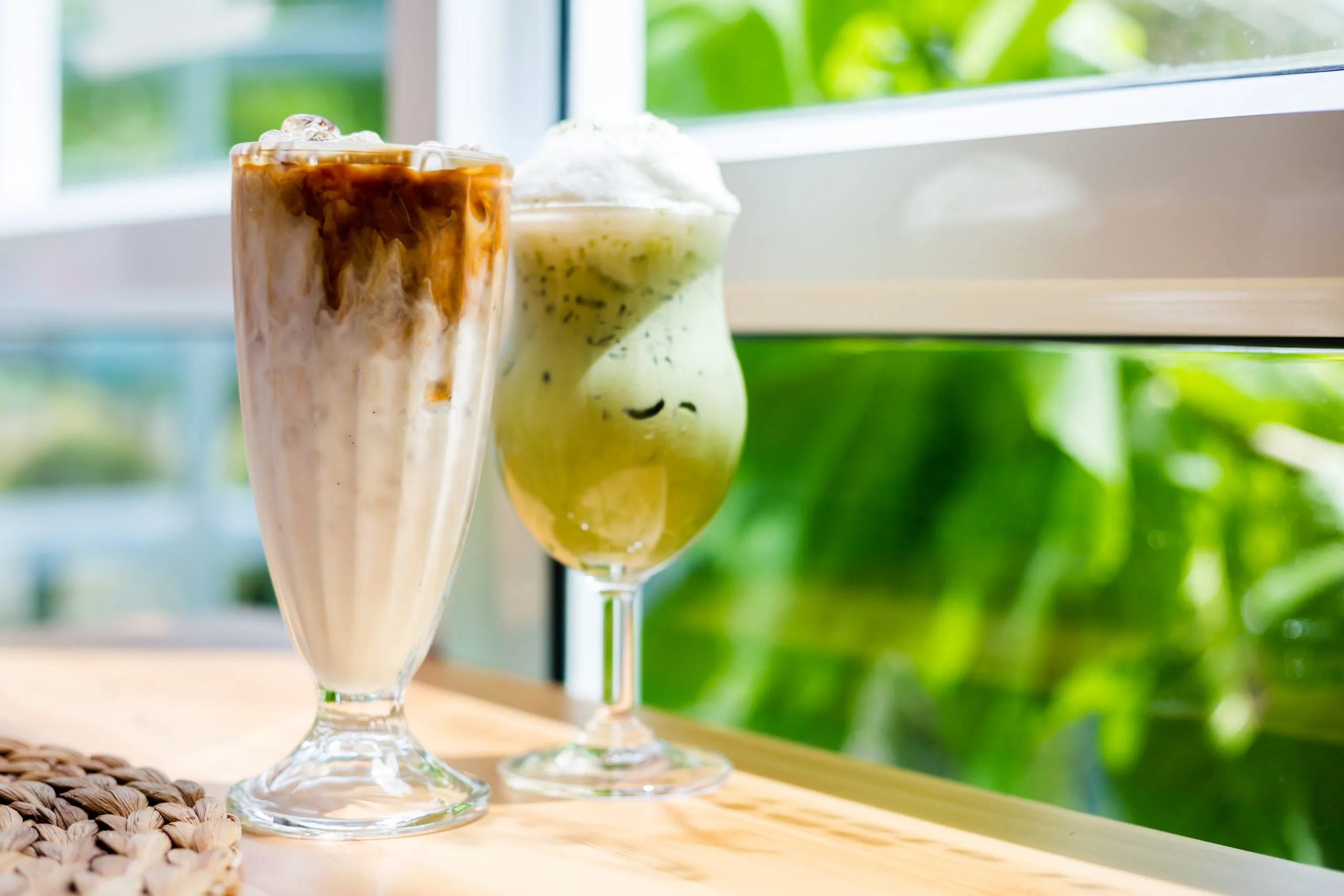
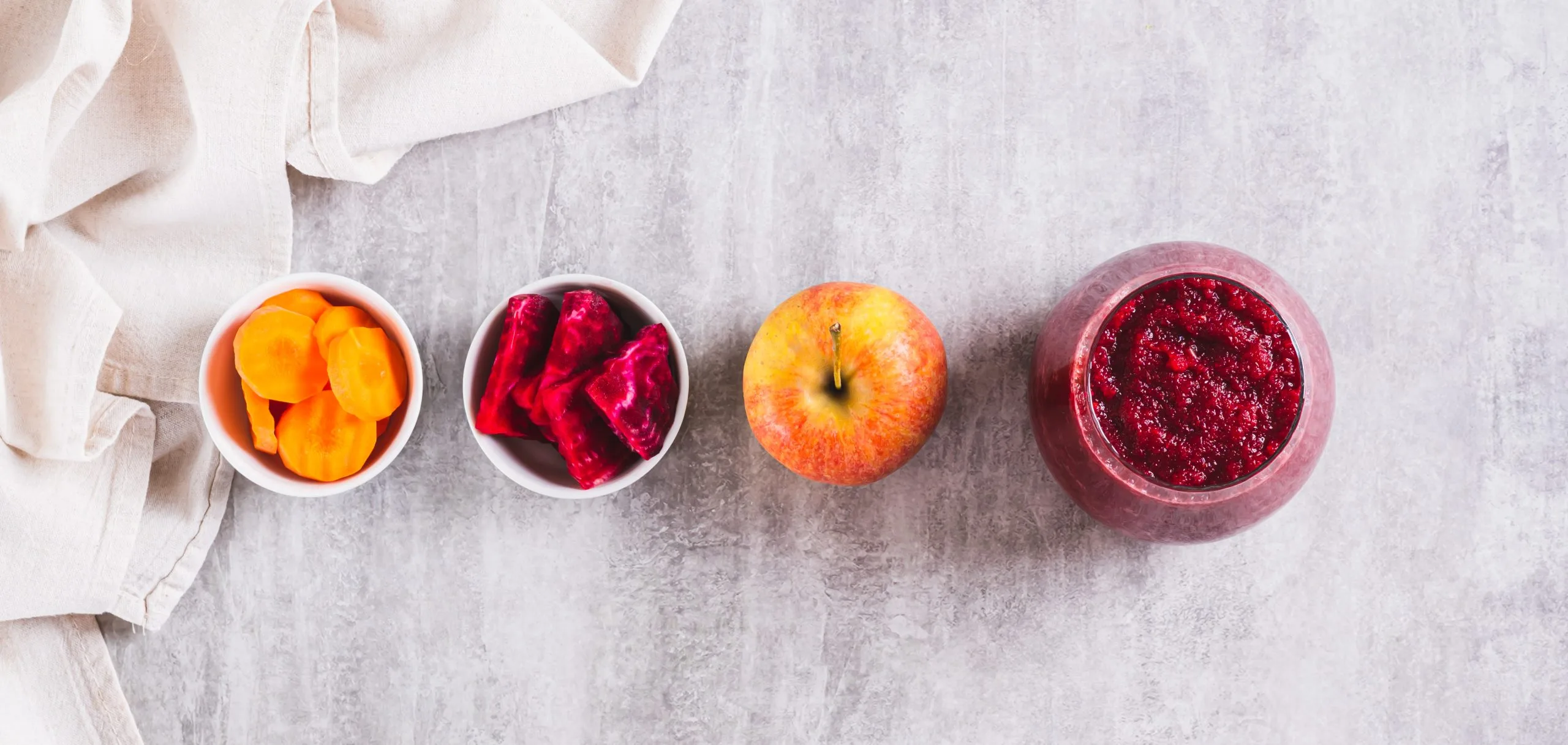
Make drinks your way, with endless possibilities! Frozen Xplosion Original Frappe & Smoothie Base mixes with just about anything: coffee, espresso and cold brew, fresh fruits and veggies, flavored syrups, alcohol and even donuts!

eCommerce Website Design by Wapiti Digital