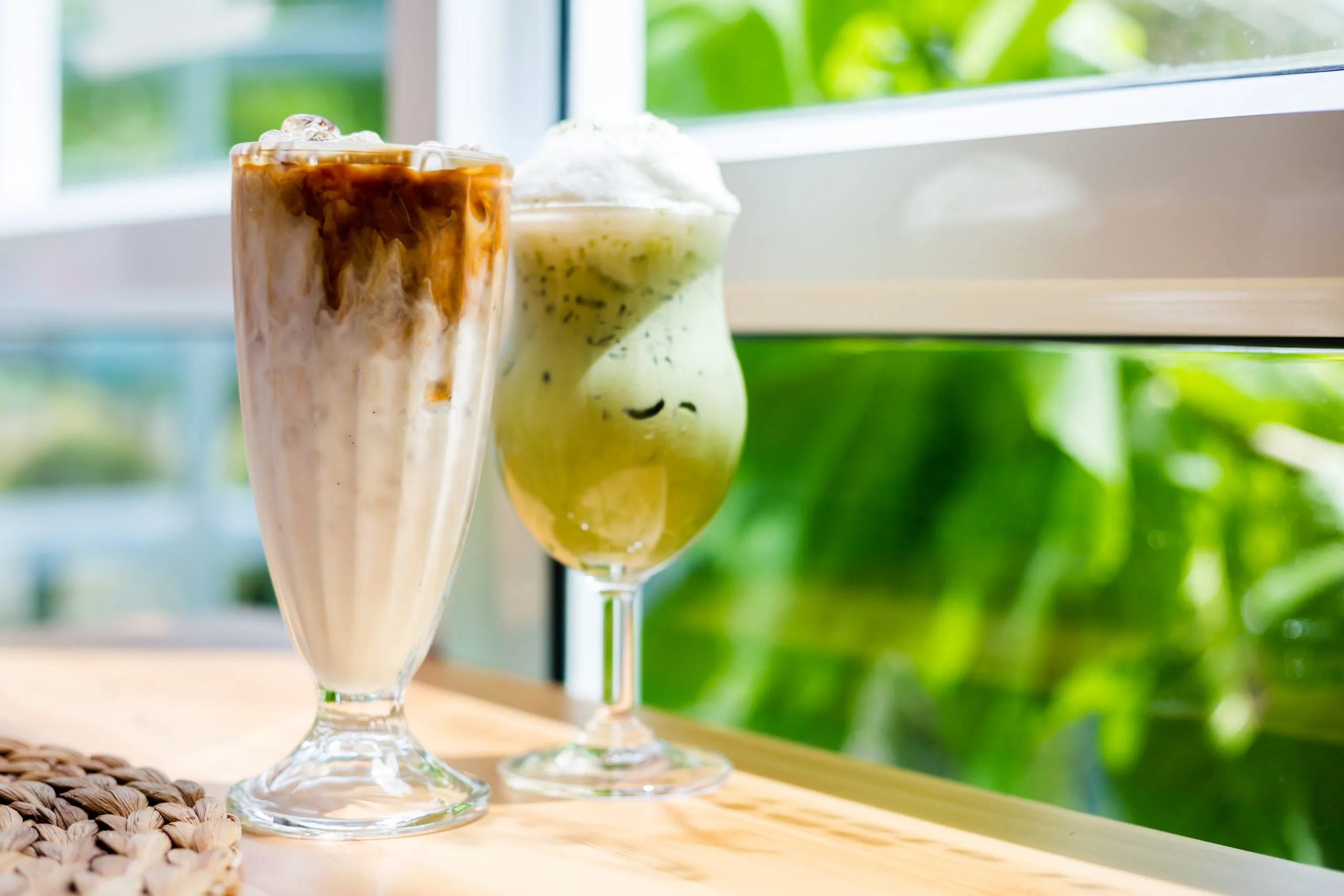
Launching Frozen Drinks at a New Coffee Shop
Launch new coffee shop frozen drinks in 30 days. Trial a sample bag, size your first case order, and train baristas on standard builds.
Share This Article

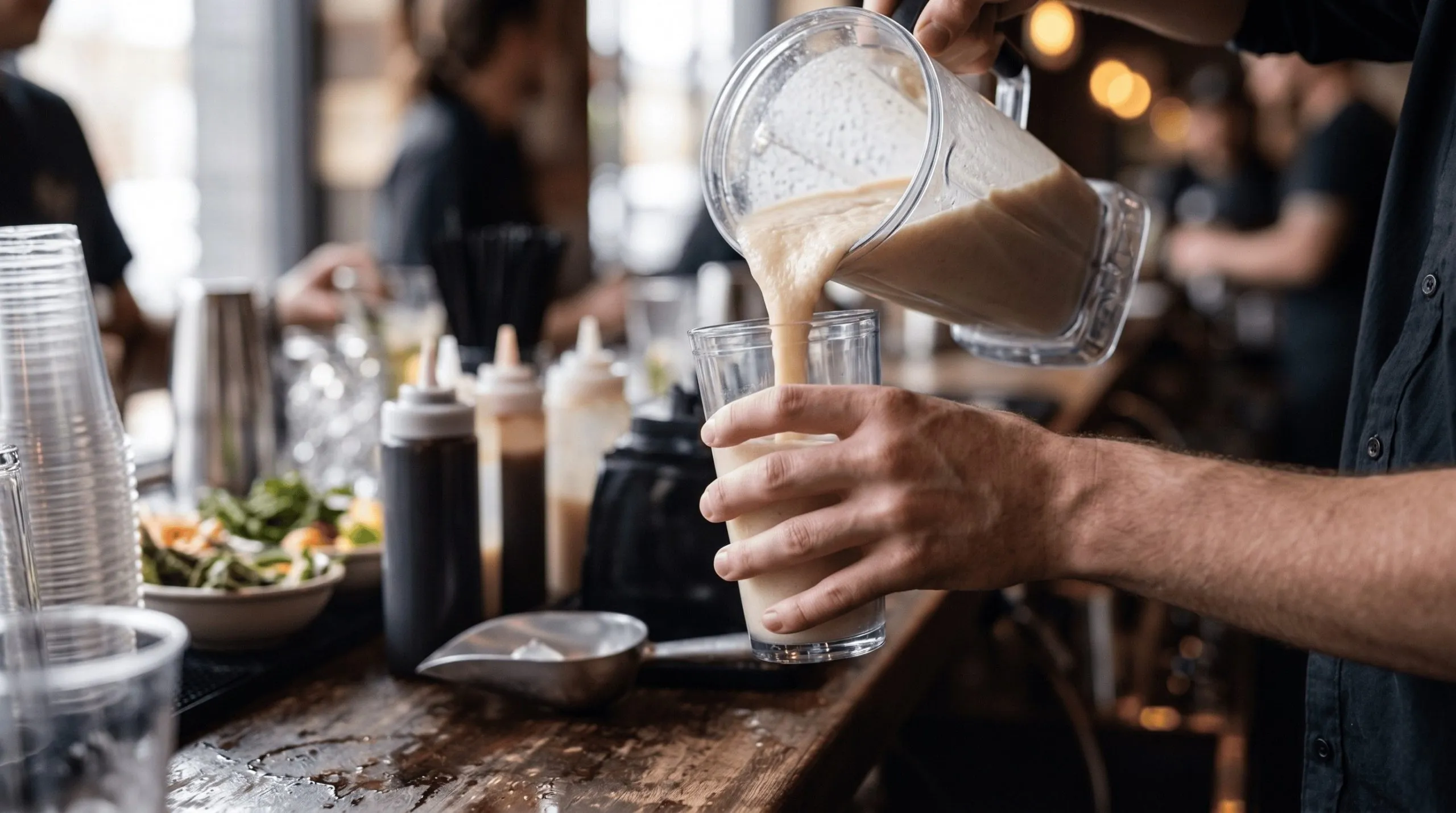
A signature frozen drink menu starts with knowing what your guests want and building around a flexible, neutral base. Balance familiar classics with one or two original drinks, standardize every recipe before expanding, and keep workflow fast enough for peak hours. Smart names and clear menu descriptions help drinks sell themselves. Refresh seasonally through flavors and garnishes rather than full resets, and a reliable base keeps the whole program consistent.
A signature frozen drink menu does more than cool people down. It gives your business a flavor identity, creates strong visual appeal, and gives guests a reason to come back for something they cannot get two blocks away.
That kind of menu does not happen by accident. It comes from smart use of frozen drink mix, disciplined recipe testing, and a clear point of view about what your drinks should taste like, look like, and earn.
The best frozen menus begin with a simple question: what do your guests already want, and what are they ready to try next?
Sales history is a strong starting point. Look at top sellers by season, by daypart, and by guest type. A drive-thru may see strong demand for coffee-based frozen drinks in the morning and fruit-forward options in the afternoon. A restaurant may do better with citrusy mocktails at lunch and frozen cocktails at dinner. A coffee shop may find that one mocha blend quietly outsells every seasonal special.
Customer feedback fills in the gaps that sales reports miss. Short surveys, comment cards, staff feedback, and tasting events can show whether guests want more tropical flavors, less sweetness, dairy-free options, or a better frozen coffee lineup. In the National Coffee Association’s Spring 2026 National Coffee Data Trends report, 15 percent of U.S. adults said they had a frozen blended coffee in the past week, evidence that frozen demand is steady and mainstream rather than a novelty.
A few questions tend to produce useful answers fast:
A frozen drink mix should make creativity easier, not limit it. That is why many operators build their menu around a neutral base rather than stocking a different mix for every flavor.
A neutral frozen drink mix gives you consistency in texture while leaving room for your own flavor profile. Add espresso and chocolate, and you have a frozen mocha. Add mango concentrate and lime, and you have a bright smoothie or cooler. Add syrup, citrus, and spirits, and the same base can support a frozen cocktail program. One product can power multiple categories without turning the back room into a storage problem.
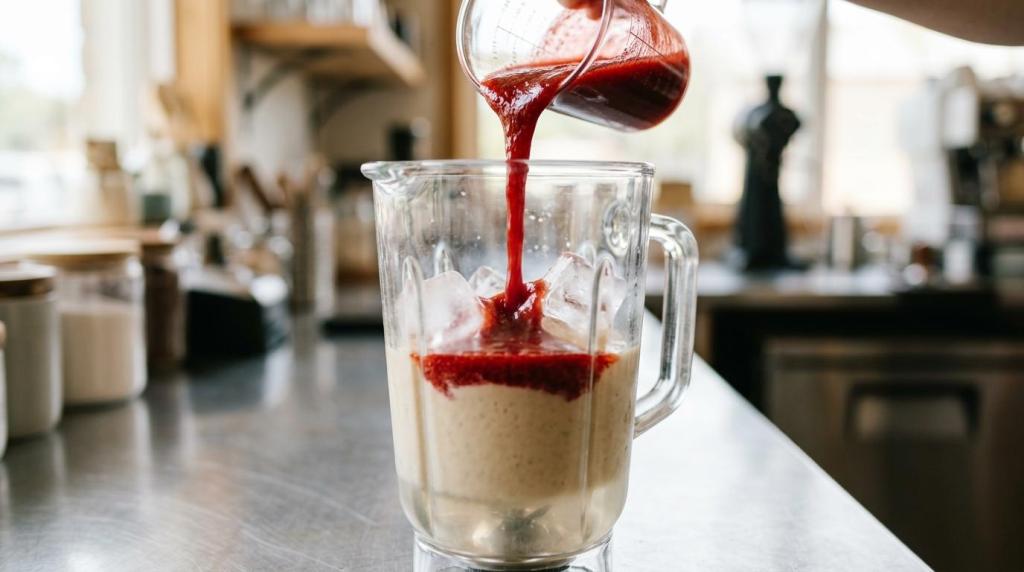
That flexibility matters operationally. A shelf-stable mix reduces waste. A dairy-free and gluten-free format can simplify menu planning. A mix that blends with water and ice instead of milk can also speed service and reduce ingredient dependence during a rush.
Here is a practical way to think about menu structure when using a versatile frozen drink mix:
| Menu Role | Drink Type | Example Flavor Direction | Why It Works |
|---|---|---|---|
| Anchor seller | Frozen coffee | Mocha, vanilla latte, caramel espresso | Familiar, easy to reorder |
| Fruit favorite | Smoothie or slush | Strawberry, mango, peach | Broad appeal, bright color |
| Signature item | House creation | Pineapple basil, blackberry lavender | Distinctive and memorable |
| Premium upsell | Layered or topped drink | Mocha with cold foam, mango tajin freeze | Higher check average |
| Seasonal feature | Limited-time offer | Watermelon mint, pumpkin cold brew freeze | Fresh reason to return |
A menu built this way stays focused while still feeling original.
Guests like menus that offer both confidence and novelty. They want one or two drinks they recognize instantly, and a few that feel exclusive to your shop or bar.
That balance is where a signature menu starts to feel complete. Classics give guests an easy first purchase. Original drinks give them a reason to post, talk, and come back. If every item is experimental, the menu can feel risky. If every item is familiar, it can feel forgettable.
A strong mix often looks like this: one frozen coffee classic, one fruit staple, one indulgent dessert-like option, one seasonal special, and one drink that clearly belongs only to your brand.
Useful menu categories include:
When you build original drinks, start with one twist, not five. A mango frozen drink with tajin is easy to understand. A coconut basil pineapple cardamom chili blend may be excellent, but it asks more of the guest. Signature does not have to mean complicated.
Great flavor is only half the job. The menu also has to move quickly and make money.
Fresh fruit has strong appeal, but it can be expensive, seasonal, and inconsistent. Frozen fruit, purees, and shelf-stable concentrates often give better cost control with less waste. That does not mean sacrificing quality. It means choosing ingredients that hold up under real service conditions and produce the same result in April as they do in August.
A frozen drink mix helps here because it stabilizes texture and lets you reserve fresh ingredients for flavor accents rather than relying on them for the whole body of the drink. That can reduce your SKU count and free up cold storage. It can also make ordering easier across multiple locations or high-volume service periods.
Workflow deserves just as much attention as flavor. If a beautiful drink takes four minutes to make, it will struggle during peak hours. Build a station that supports speed: base, flavoring, blender, ice, garnish, cup, lid. Keep recipe cards visible. Pre-portion where it makes sense. Train staff on blend times and fill levels so texture stays consistent.
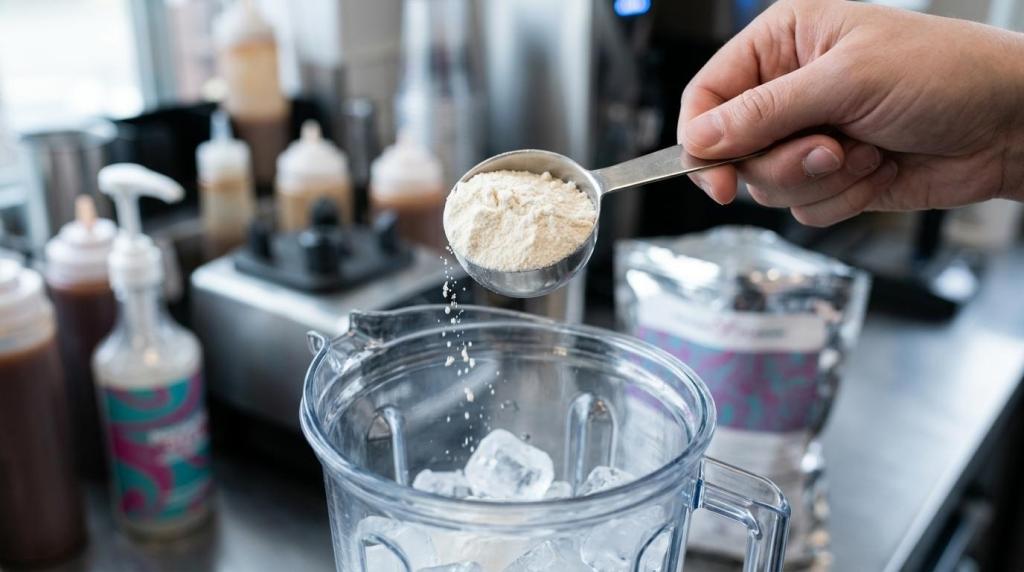
A few workflow standards pay off fast:
Small operational wins often separate a fun frozen program from a profitable one.
A signature menu should feel intentional every time it is served. That requires standardization.
Many businesses make the same mistake: they create a great frozen drink in testing, then lose it in live service because no one wrote down the exact formula. Consistency matters more with frozen drinks because texture, sweetness, and dilution can shift quickly if staff improvise.
Start with a prototype and taste it repeatedly. Adjust one variable at a time. If the drink is too sweet, change the syrup amount before changing the ice. If it tastes thin, revise the base-to-water ratio before adding more fruit. Keep notes during every round.
Once the drink is right, document everything.
That includes cup size, ingredient amounts, blending order, blend time, garnish, and target appearance. A signature item should be reproducible by the opening shift, the closing shift, the weekend team, and the newest hire.
A recipe spec should answer these questions clearly:
This discipline gives you freedom later. When the base recipe is stable, you can create line extensions with confidence. A vanilla coffee freeze becomes a caramel version, then a salted caramel version, then a fall special with cinnamon, all without rebuilding the drink from scratch.
Even excellent drinks need help at the point of purchase. Names, descriptions, and layout shape what guests notice first.
A good frozen drink name should be easy to say, easy to remember, and tied to the brand voice. It can be descriptive, playful, or mood-driven, but it should still hint at flavor. “Mango Heat” is stronger than “Summer Splash” because the guest already knows what to expect.
Descriptions do the rest of the selling. Keep them short, vivid, and specific. Focus on flavor, texture, and a single detail that sets the drink apart. “Frozen espresso, dark chocolate, and silky vanilla” works because it is clean and sensory. “A delicious beverage experience unlike any other” says almost nothing.
A few naming patterns work well across categories:
Visual design matters too. Group frozen drinks in their own menu section instead of scattering them across categories. Use clear add-on options. If you use photos, use only strong ones. One excellent image will sell more drinks than six average ones.
The smartest frozen menus are not static, but they are not chaotic either. They refresh in measured ways.
A neutral frozen drink mix makes rotation easier because you can update the menu through flavoring and merchandising rather than through a total operational reset. Change the concentrate, the syrup, the garnish, or the rim treatment, and you can launch a new feature quickly while keeping the same core build.
That approach is especially useful for seasonal promotions, limited-time offers, and regional preferences. A Pacific Northwest audience may respond well to blackberry, cherry, coffee, and rich chocolate profiles. A summer tourist market may lean toward pineapple, watermelon, citrus, and bright tropical combinations. One frozen drink mix can support both if the base is versatile enough.
Keep the rotation focused. Two or three menu changes each season are often enough to create energy without confusing staff or guests. Track which flavors drive repeat orders, not just first-time curiosity. A flashy limited-time drink may get attention. The real winner is the one guests order again next week.
That is how a frozen menu turns into a signature program: a reliable base, distinctive flavors, consistent execution, and just enough movement to keep people interested.
Three to five is a solid starting point. Enough to give guests real choice without stretching your prep, training, or ingredient list too thin. You can always add once you see what moves.
Not necessarily for every station, but wherever frozen drinks are built, you need a blender that can handle ice consistently under volume. Consumer-grade equipment will slow you down and wear out fast in a real service environment.
Yes. Shelf-stable powder bases and frozen fruit concentrates do most of the heavy lifting without demanding much refrigeration. Save cold storage for your fresh accents and garnishes where they make the most visual and flavor impact.
Skipping documentation. A drink that tastes great during testing but was never written down properly will drift the moment a different staff member makes it. Inconsistency is the fastest way to lose a repeat customer.
Know your real cost per cup first, including the base, mix-ins, garnish, cup, lid, and an honest share of labor. From there, price to the perceived value of the drink, not just the ingredient cost. A well-named, well-presented frozen drink can command more than guests expect to pay.
One neutral-flavored base, unlimited drinks. Add your own ingredients and create a menu your competitors can’t copy.
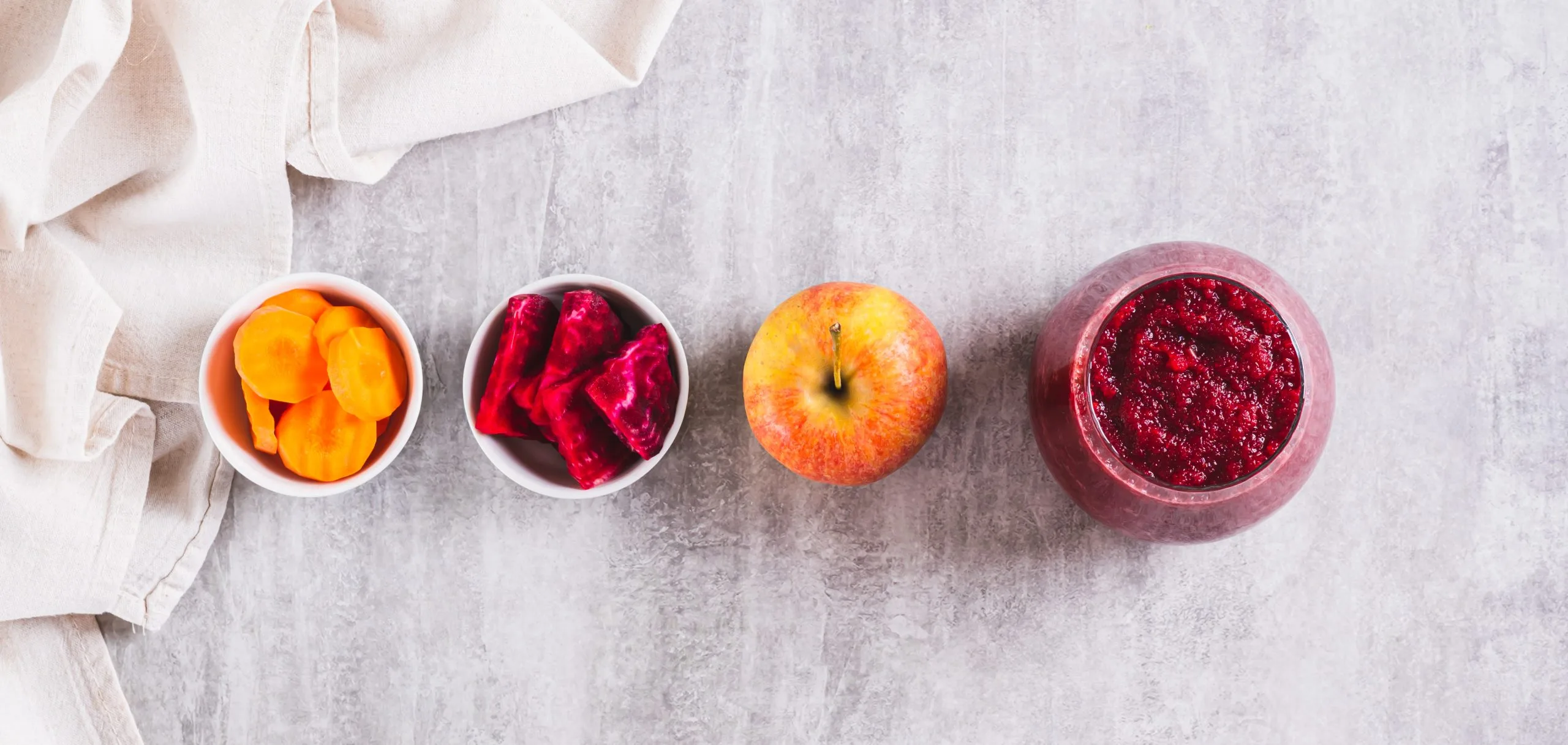
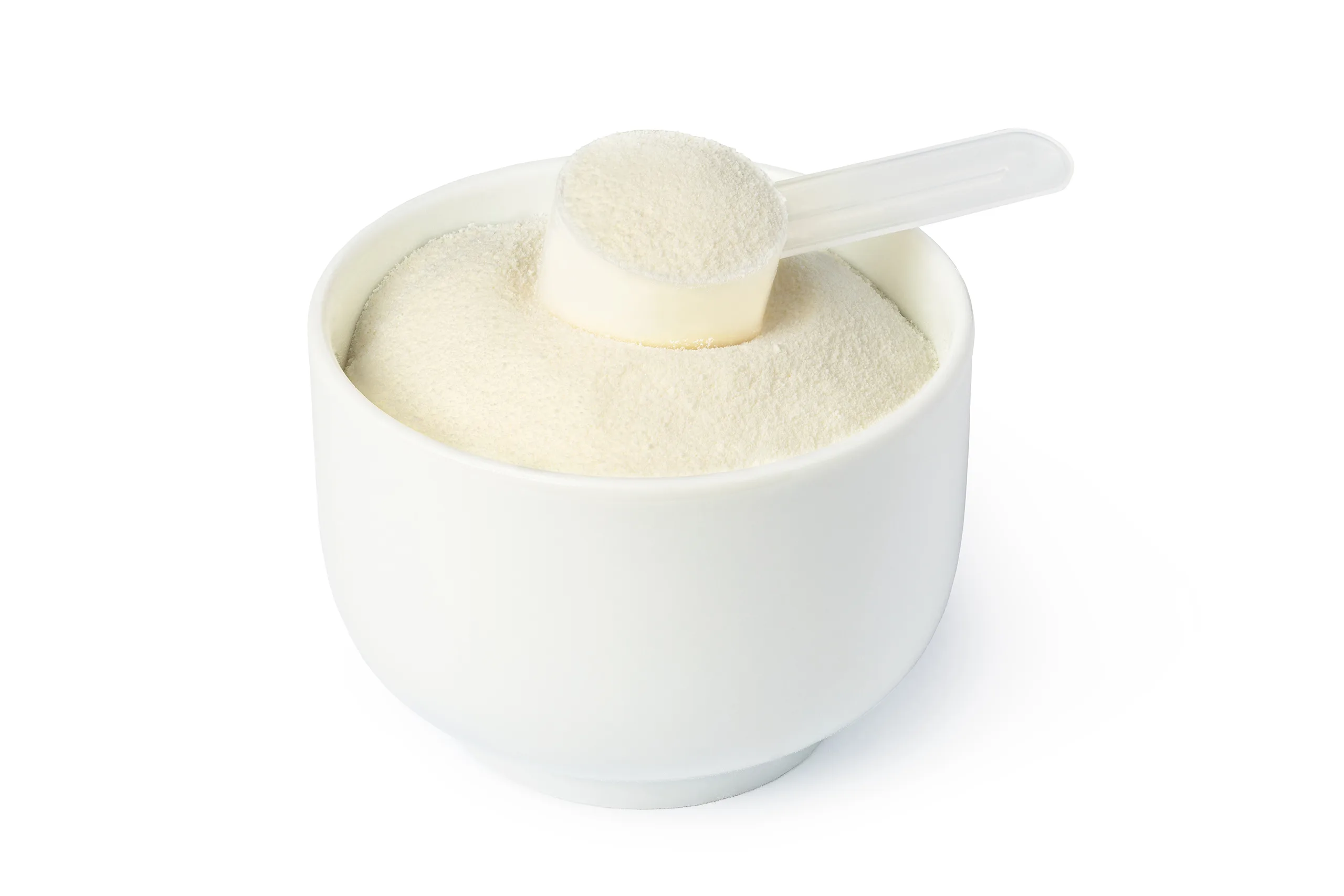
Make drinks your way, with endless possibilities! Frozen Xplosion Original Frappe & Smoothie Base mixes with just about anything: coffee, espresso and cold brew, fresh fruits and veggies, flavored syrups, alcohol and even donuts!

eCommerce Website Design by Wapiti Digital