Launching Frozen Drinks at a New Coffee Shop
Launch new coffee shop frozen drinks in 30 days. Trial a sample bag, size your first case order, and train baristas on standard builds.
Share This Article


Fruit concentrate delivers bold flavor, vivid color, and consistent sweetness without the prep work of fresh fruit. Start with about 1 ounce per 8-ounce drink, then adjust to taste. Pair it with a neutral smoothie base, yogurt, banana, or frozen fruit for body and balance. Layer liquids first, then base, then concentrate, then ice. The result is fast, repeatable smoothies that work for cafes, drive-thrus, and home kitchens.
Fruit concentrate can make a smoothie brighter, faster, and far more consistent without making the process complicated. A small pour delivers bold fruit flavor, vivid color, and reliable sweetness, which is why it works so well in busy coffee shops, restaurants, bars, and home kitchens alike.
It also gives you control. Instead of hoping fresh fruit tastes the same from batch to batch, you can build drinks with a repeatable formula and then shape the final profile with yogurt, protein, frozen fruit, greens, or a neutral smoothie base.
Fruit concentrate is exactly what it sounds like: fruit flavor with much of the water removed. That makes it intense. In a smoothie, that intensity matters because the ice, water, and base ingredients can mute flavor quickly.
A good concentrate brings three immediate benefits. First, it creates a strong fruit note even in cold, thick drinks. Second, it delivers consistent sweetness from cup to cup. Third, it saves prep time because there is no washing, peeling, chopping, or seasonal guesswork.
That strength comes with a tradeoff, though. Concentrate adds flavor and sweetness far more than body or fiber. If you use too much, the smoothie can taste syrupy or overly sweet. If you use too little, the drink can feel flat once the ice is blended in.
The simplest approach is to start small and build up. In most smoothies, about 1 ounce of fruit concentrate per 8-ounce drink is a practical starting point, then scale up from there based on cup size and the sweetness of your other ingredients.
| Smoothie Size | Fruit Concentrate | Water or Other Liquid | Neutral Base | Ice |
|---|---|---|---|---|
| 8 oz | 1 oz | 3 oz | 1.5 oz | 1 cup |
| 12 oz | 1.5 oz | 3 to 4 oz | 2 oz | 1 generous cup |
| 16 oz | 2 oz | 4 to 6 oz | 3 oz | 1.5 cups |
This kind of ratio works well because it keeps the fruit flavor clear without pushing the drink too far into candy-sweet territory. If you are using very sweet concentrates or adding other syrups, pull back slightly. If you are using unsweetened yogurt, greens, or extra ice, a touch more concentrate may bring the drink back into balance.
A good rule is to treat concentrate as the flavor engine, not the whole smoothie.
Fruit concentrate works best when it has support. Since it does not add much thickness on its own, pair it with ingredients that give the smoothie body, creaminess, and staying power.
A neutral frappe or smoothie base is especially useful when speed and consistency matter. It lets the fruit stay front and center while creating a creamy blend with water and ice. That is one reason this format works well in high-volume drink programs and at home. A neutral base also makes it easier to rotate flavors without stocking a separate mix for every menu item.
Here are a few of the strongest pairings:
These combinations let you decide what kind of drink you want to build. Light and icy. Thick and creamy. Protein-forward. Fruit-first. The concentrate gives you a reliable starting point, then the rest of the formula shapes the experience.
Blending order matters more than many people think.
If the ice goes in first, concentrates and powders can cling to the sides of the blender jar and mix unevenly. A better method is to layer liquids first, then flavor, then ice or frozen ingredients.
Blend on high speed for about 30 seconds, or a little longer if you are using a dense frozen fruit load. If the texture is too thin, add a small scoop of ice or banana. If it is too thick, add a splash of water. Small adjustments usually work better than big corrections.
Fresh fruit and fruit concentrate are both useful, but they do different jobs.
Fresh fruit gives a smoothie fiber, natural pulp, and more texture. It can taste bright and lively, especially when the fruit is ripe and in season. It also creates a thicker mouthfeel in many blends. Yet it asks more of you. You need freezer space or refrigeration, prep time, and a plan for spoilage.
Fruit concentrate is built for consistency and speed. The flavor is stronger ounce for ounce, the storage life is often easier to manage, and the cost can be more predictable. In a shop setting, that can be a major advantage. In a home kitchen, it can mean fewer forgotten bags of fruit in the back of the freezer.
Nutritionally, the difference is worth keeping in mind. Concentrate can still bring vitamins and fruit character, but it does not offer the same fiber as whole fruit. That means a smoothie made mostly with concentrate may feel less filling than one built with berries, banana, mango, or peach pieces. The best answer is often not either-or. It is a blend of both: concentrate for reliable flavor, whole ingredients for texture and balance.
Some flavors are easy winners because they stay clear even after blending with ice and creamy ingredients. Strawberry is one of the most versatile. Mango brings tropical sweetness and a round mouthfeel. Wildberry adds depth and color. Citrus options can make a smoothie taste cleaner and more refreshing.
A few combinations tend to perform especially well across seasons and menu styles:
For cafés and drive-thrus, flavor flexibility matters. A neutral base paired with several concentrate options can open up a menu without expanding the ingredient list too much. One bottle can move from smoothie to frozen lemonade to a blended mocktail-style drink with only small changes to the build.
Speed is one of the strongest reasons to use fruit concentrate in a smoothie program. When the fruit flavor is already prepared, staff can build drinks quickly and hit a more repeatable taste profile across shifts.
That matters in real operations. Coffee shops and restaurants often need beverages that can be made in about a minute, with minimal prep and low storage pressure. A shelf-stable or refrigerated concentrate helps reduce waste tied to overripe fruit, while a neutral smoothie base reduces the need to stock many separate flavored powders or dairy ingredients.
Frozen Xplosion follows this logic with a neutral frappe and smoothie base that blends with water and ice, then pairs with fruit concentrates for custom drinks. For operators, that means fewer SKUs, less cooler crowding, and more room to create menu items that feel distinct.
Home baristas benefit too. You can keep one base formula on hand, rotate fruit flavors through the week, and make a smoothie that tastes intentional instead of improvised.
A concentrate-led smoothie is easy to make, but the best smoothies are not only sweet. They have enough structure to feel satisfying and enough acidity or creaminess to keep the fruit from becoming heavy.
That balance usually comes from combining the concentrate with ingredients that slow down the sweetness and round out the texture. Think protein, fiber, or cultured dairy alternatives. Think frozen fruit instead of extra syrup. Think citrus for brightness when the drink feels dull.
A few practical checks help every time:
If you are writing a menu or building recipes at home, start with one core formula and test three directions: creamy, refreshing, and protein-forward. The same concentrate can behave very differently depending on what surrounds it.
A strawberry smoothie made with yogurt and banana feels rich and familiar. The same strawberry concentrate with water, ice, and lemonade can drink more like a frozen refresher. Mango can lean tropical with pineapple, or mellow and smooth with vanilla and oat milk. That flexibility is where fruit concentrate becomes more than a shortcut. It becomes a useful tool for building drinks with consistency, speed, and room for real creativity.
Most fruit concentrates keep well in the refrigerator for several weeks once opened, though shelf life varies by brand and whether the product is shelf-stable or refrigerated. Always check the label for specific guidance. If a concentrate develops an off smell, separates in an unusual way, or changes color significantly, it is time to replace it.
Yes, and it often leads to the most interesting flavors. The trick is to keep the total concentrate amount close to your standard pour rather than doubling it for each flavor. For an 8 ounce smoothie that normally takes 1 ounce of concentrate, try half an ounce of two flavors instead of a full ounce of each. That keeps the sweetness controlled and lets both flavors come through clearly.
Not quite. Fruit puree is mashed whole fruit with little or no water removed, so it brings more body and pulp but less concentrated flavor per ounce. Fruit syrup usually means a sweetened flavoring with added sugar and sometimes artificial ingredients. Fruit concentrate sits in the middle, offering real fruit flavor at a higher intensity than puree without the heavy added sugar of most syrups.
Absolutely. The same bottle can flavor frozen lemonades, iced teas, sparkling water, mocktails, slushes, and even sorbets. Anywhere you want bold fruit flavor without prepping fresh fruit, concentrate works well. Many cafes use one or two flavors across their full beverage menu to simplify ordering and reduce ingredient stock.
Smoothies are best served right after blending because the ice begins to melt and separation can happen within an hour or two. If you need to prep ahead, blend without ice, store the mixture in the refrigerator, then add ice and blend again just before serving. You can also pour a finished smoothie into a freezer-safe container for short-term storage, then re-blend briefly when ready.
Not necessarily. Because concentrate is already in liquid form, it blends easily and does not strain the motor the way frozen whole fruit can. A mid-range blender can handle most fruit concentrate smoothies as long as the ice is added gradually. If you plan to use lots of frozen fruit or thick add-ins like nut butter, a stronger blender will give you a smoother finish.
One neutral-flavored base, unlimited drinks. Add your own ingredients and create a menu your competitors can’t copy.
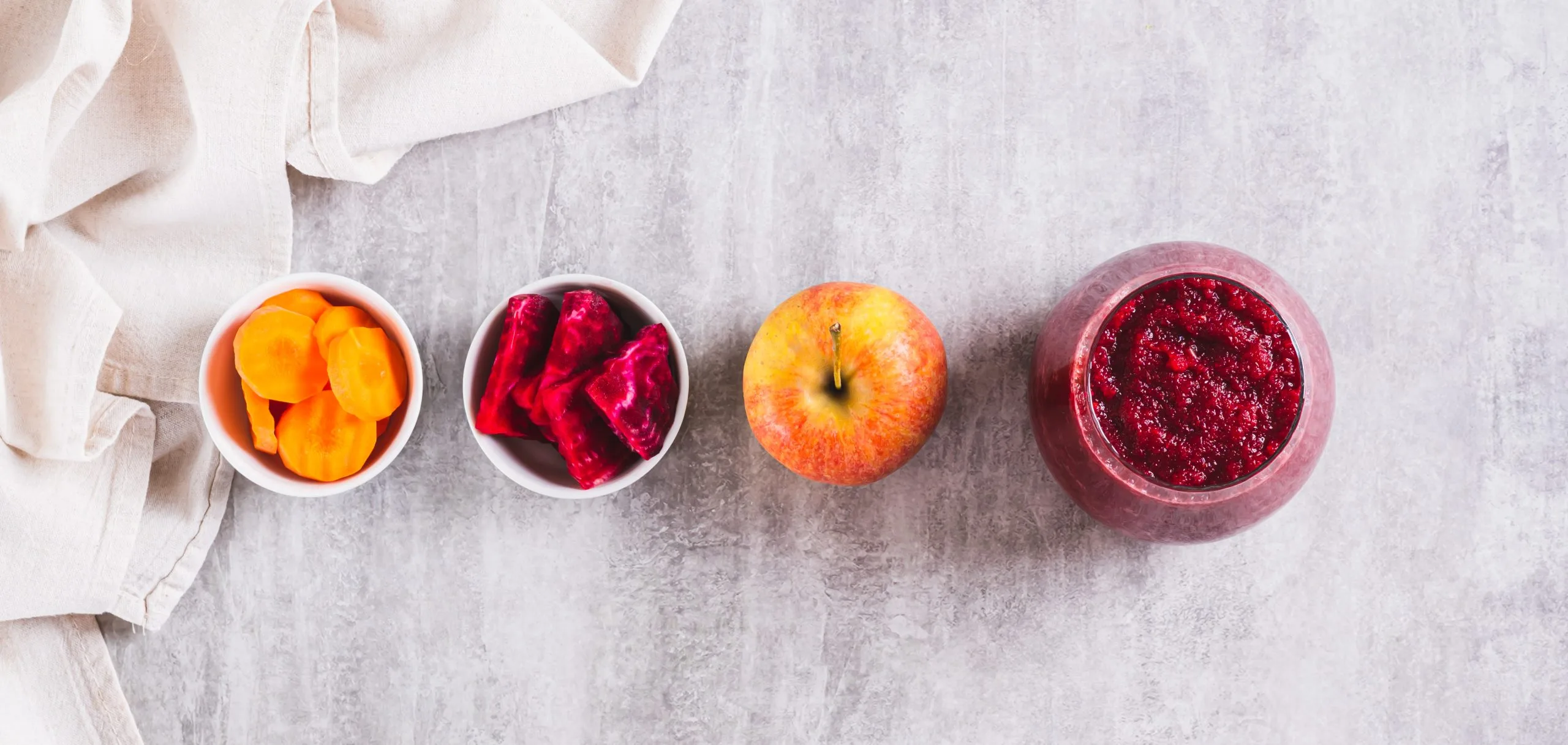
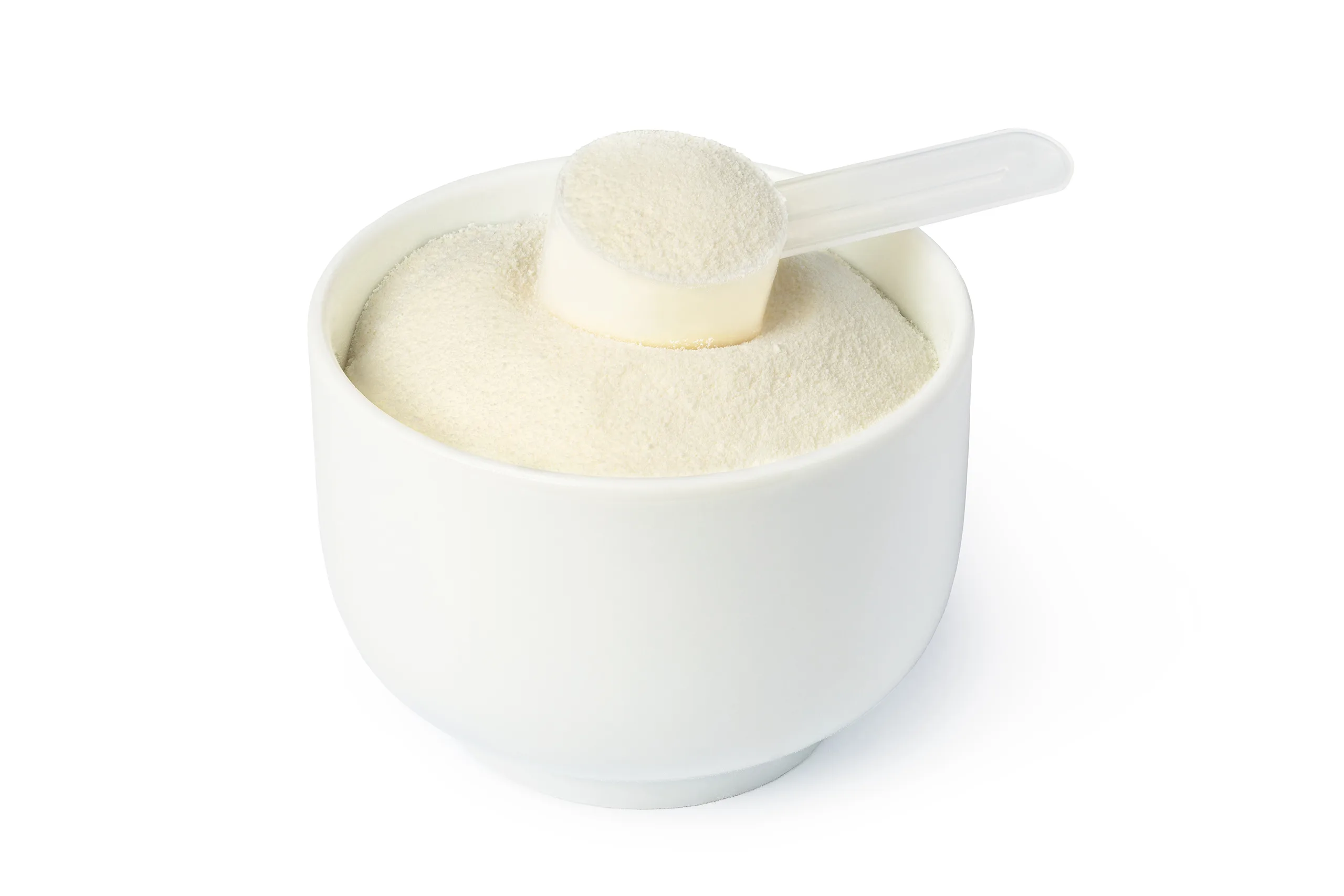
Make drinks your way, with endless possibilities! Frozen Xplosion Original Frappe & Smoothie Base mixes with just about anything: coffee, espresso and cold brew, fresh fruits and veggies, flavored syrups, alcohol and even donuts!

eCommerce Website Design by Wapiti Digital