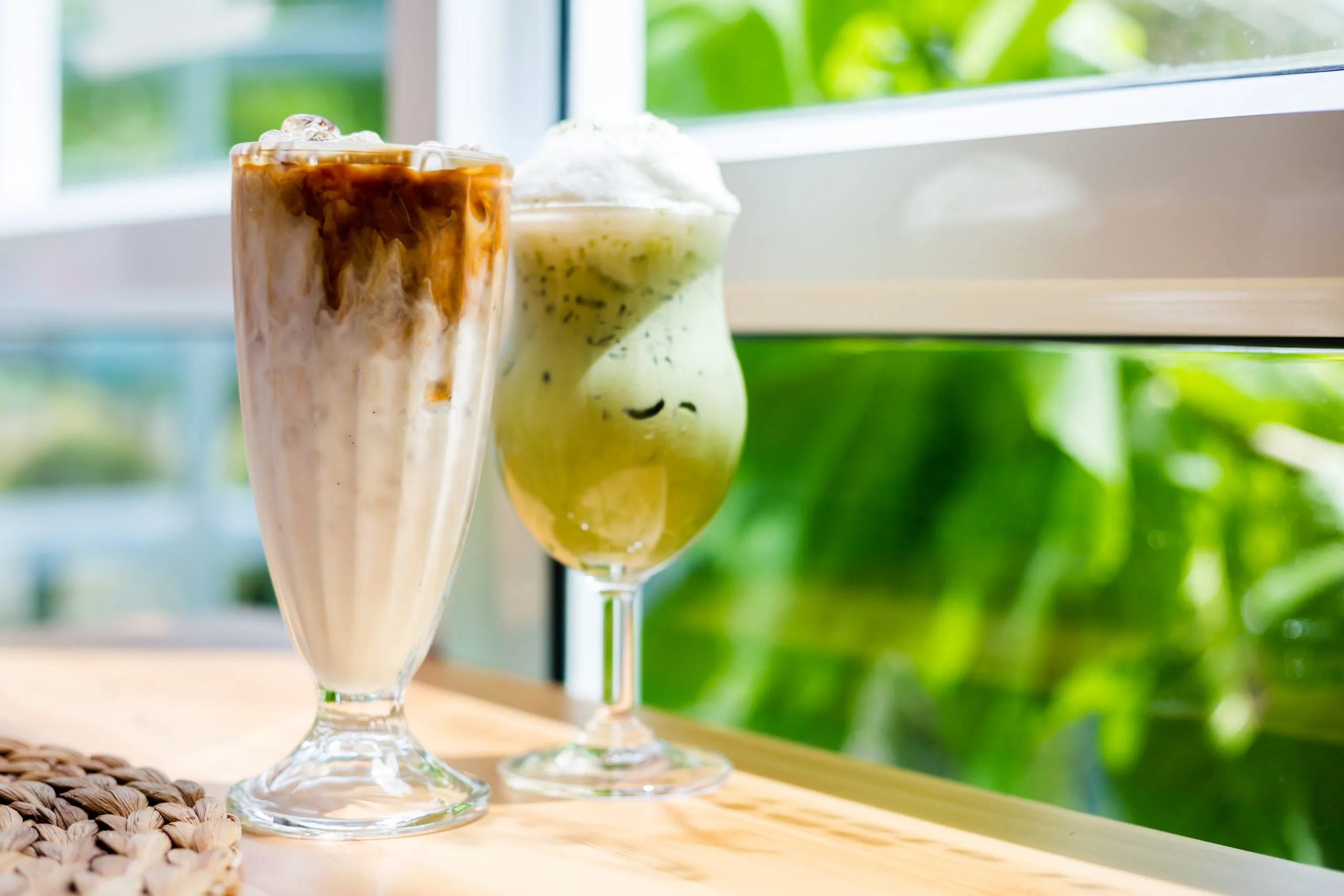
Launching Frozen Drinks at a New Coffee Shop
Launch new coffee shop frozen drinks in 30 days. Trial a sample bag, size your first case order, and train baristas on standard builds.
Share This Article


The strongest frozen coffee base options in 2026 each fit a different menu style. Frozen Xplosion suits custom menus with its neutral Everybase, available in Original and Vegan. Big Train offers broad availability, MOCAFE delivers premium café positioning, and Ghirardelli leans into dessert-style drinks. KanPak's ready-to-use liquid format supports high-speed operations. The right pick depends on flexibility, storage, labor, and how operators want their menu to taste.
Frozen coffee base shapes whether a blended coffee tastes creamy or watery, profitable or wasteful. In cafés, drive-thrus, restaurants, bars, and home setups, the base controls texture, sweetness, hold time, and how clearly coffee flavor carries through ice. The main problem it solves is consistency, since espresso, milk, and ice alone often separate, dilute, or turn slushy fast. In 2026, the strongest bases also help buyers cut SKUs, serve plant-based guests, and build drinks in about 60 seconds.
Frozen Xplosion and Big Train show the core function clearly: a frozen coffee base adds body, sweetness, and freeze stability that plain coffee cannot. It solves a texture problem first, then a speed and consistency problem.
A frozen coffee base is the part of a blended drink that creates creaminess, keeps ice suspended, and gives a repeatable cup from one shift to the next. Most bases use sugar plus stabilizers, fats, or creamers to reduce iciness and slow separation. Without that structure, a frozen latte often tastes thin for the first sip and watery by minute five.
For operators, the base also acts as a labor-control tool. If a team uses one measured scoop or one pre-portioned liquid, training gets easier and waste drops. For home baristas, it removes the guesswork that comes from trying to recreate a coffeehouse-style frappe with random pantry ingredients.
A practical benchmark is hold time. If a drink still tastes balanced and keeps its body after 5 to 10 minutes, the base is doing its job.
A neutral base is more flexible. Frozen Xplosion and Ghirardelli sit on opposite ends here: one lets espresso lead, the other gives a built-in flavor profile. The trade-off is originality versus plug-and-play simplicity.
Neutral bases are designed to disappear into the final flavor. A barista adds espresso, cold brew, mocha, vanilla, caramel, fruit, or even alcohol, and the base supplies the texture. This is ideal when a shop wants signature drinks that do not taste like the same menu down the street.
Pre-flavored mixes do more of the work. Many include coffee, vanilla, mocha, or sweet cream notes in the bag. That cuts steps and helps with consistency, but it can limit menu identity. If the base already tastes strongly of vanilla, every caramel latte or mocha starts from that same flavor direction.
Common misconception: a coffee-flavored mix is not the same thing as a customizable coffee base. If the goal is menu differentiation, neutral usually wins. If the goal is fast rollout with minimal recipe work, pre-flavored usually wins.
These are the strongest frozen coffee base options in 2026 by flexibility, market visibility, and operator fit. Frozen Xplosion, Big Train, MOCAFE, Ghirardelli, and KanPak each serve a different style of menu and workflow.
For a useful shortlist, the category breaks into neutral bases, pre-flavored powder mixes, and ready-to-use liquid systems. Published retail pricing and product specs show meaningful differences in shelf life, dietary positioning, and prep method.
| Brand | Best for | Format | Price | Dietary notes |
|---|---|---|---|---|
| Frozen Xplosion Original or Vegan | Custom menus | Neutral powder | Varies by version | Dairy-free, gluten-free. Vegan is the cleaner-label pick |
| Big Train Original | Broad availability | Pre-flavored powder | Around $29.49, 3.5 lb bag | Check label by SKU |
| MOCAFE | Premium cafe positioning | Powder | Varies | Coffee-forward, organic or Fair Trade options |
| Ghirardelli Vanilla or Mocha | Dessert-style drinks | Pre-flavored powder | Vanilla around $26.99, mocha around $28.99 | Real vanilla or real coffee cues |
| KanPak Ready-to-Use | High-speed operations | Aseptic liquid | B2B, negotiated | Check label by SKU |
| Capora or DaVinci Gourmet | Value menus, flavor extension | Pre-flavored powder | Varies | Mainstream profiles, easy training |
A short pilot beats a rushed switch. Frozen Xplosion and MOCAFE are good examples of bases that should be tested for blend time, hold time, and flavor carry, not just first-sip taste.
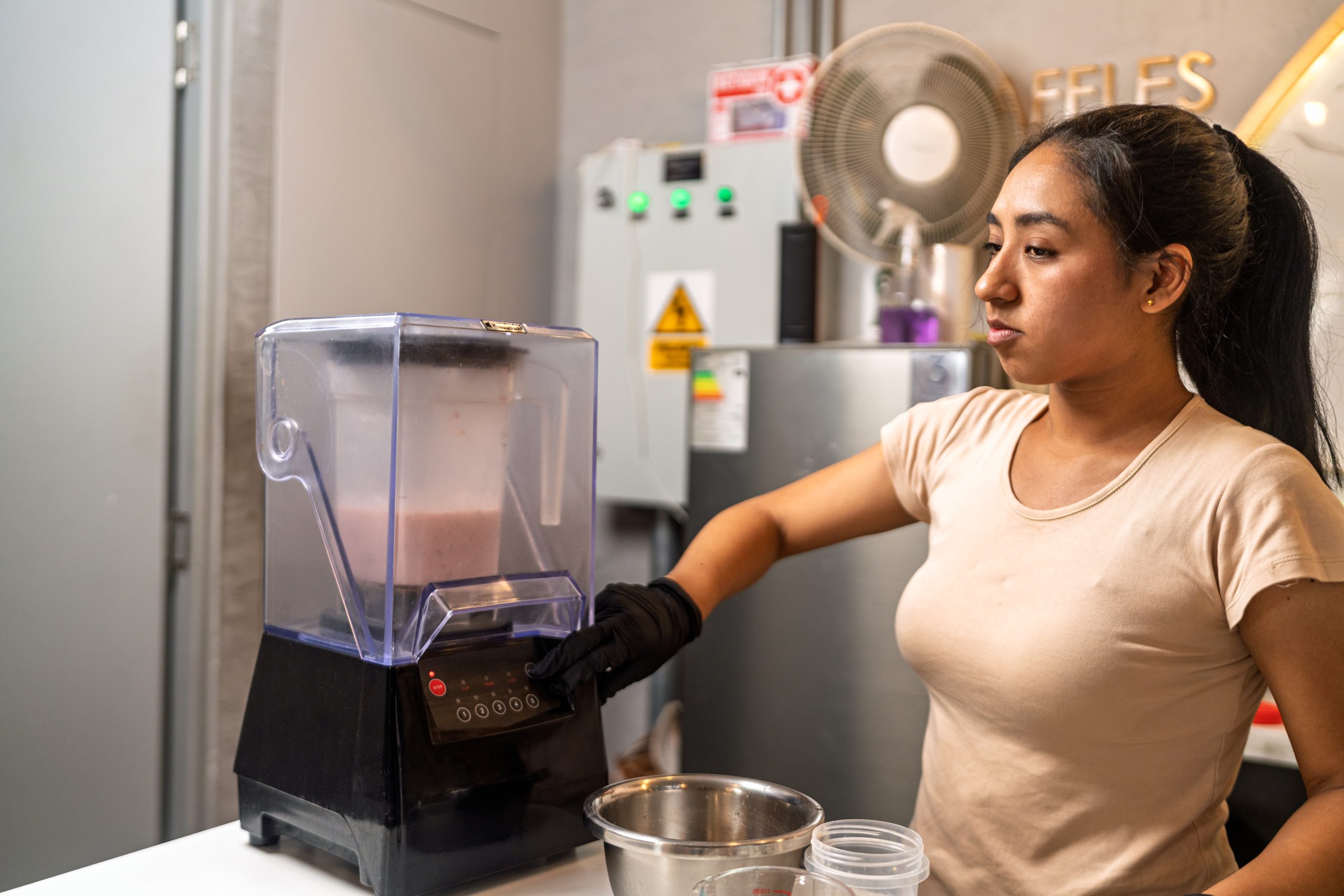
Step 1: run a side-by-side recipe test. Use the same blender, ice weight, espresso dose, and cup size for each base. A fair trial compares one variable at a time. If one recipe uses milk and the other uses water, the result says more about the liquid than the base.
Step 2: score the drink at 0, 5, and 10 minutes. Many bases taste fine right out of the blender. The real question is whether the drink stays creamy, pours well, and keeps coffee flavor after sitting. Pro tip: hold time matters more in drive-thru than in café dine-in.
Step 3: test staff execution. Give the recipe to the least experienced team member. If the result stays consistent, the base is operationally strong. If only the lead barista can make it work, the menu will drift during busy hours.
A useful pilot usually takes one week. That gives enough traffic to test peak-hour speed, remakes, and guest reactions.
Neither is always better. KanPak and Big Train show the real split: liquid wins on speed and repeatability, powder wins on storage flexibility and shipping simplicity. The better choice depends on labor, cooler space, and volume.
Powder bases dominate the market because they are shelf-stable, compact, and easy to ship. They also let operators control recipe strength by adjusting scoop size, coffee dose, and flavor add-ins. That is a strong fit for independent cafés, seasonal menus, and smaller footprints.
Liquid bases reduce steps. In high-volume chains or stadium-style service, that can be a real gain. Aseptic packaging can also reduce refrigeration needs before opening. The downside is less flexibility, more dependence on specific packaging formats, and pricing that is often better suited to larger accounts.
If labor is tight and drinks must taste nearly identical across locations, liquid may be the better SOP. If storage is limited and the menu changes often, powder is usually the smarter system.
A clean cost model prevents margin leaks. Big Train and Frozen Xplosion show why: bag price alone is not the true cost, because recipe yield, espresso add-on, and milk needs change the math.
Step 1: calculate cost per prepared ounce or per drink. Start with bag cost, then divide by the actual number of drinks produced at the shop’s recipe. A 3 to 3.5 lb bag can look cheap until over-scooping cuts yield.
Step 2: add every live ingredient. Include espresso or cold brew, syrups, milk if required, cup, lid, straw, and labor time. A base that blends with water and ice can lower drink cost if it removes milk from the formula.
Step 3: compare gross profit, not only ingredient spend. If a neutral base lets a shop sell a signature caramel cold brew frappe for $1 to $2 more than a standard frozen latte, the higher-margin menu may offset a slightly higher base cost.
Common mistake: comparing two bases without matching caffeine level and flavor load. If one mix already includes coffee and sweet flavor, it is not a fair one-to-one against a neutral base.
Structure, dietary fit, sweetener system, and additive profile matter most. Frozen Xplosion Original and KanPak show why buyers should read beyond the front panel: terms like dairy-free, gluten-free, or no HFCS do not answer every ingredient question.
The first label check is structure. Sugar, fats or creamers, gums, and emulsifiers tell a buyer how the drink will handle ice. These are not automatically bad; they are the tools that create body. The better question is whether the formula fits the menu and guest expectations.
The second label check is dietary fit. Some products are vegan, some are only dairy-free in practical use, and some contain milk-derived ingredients like sodium caseinate. Common misconception: “dairy-free” on a menu does not always mean milk-protein-free on the ingredient panel.
A useful label review usually covers four areas:
If a shop serves plant-based guests or schools, the allergen and claim language should be reviewed by SKU, not by brand reputation.
One neutral base can anchor many recipes by locking texture first, then layering coffee and flavor. Frozen Xplosion and DaVinci syrups are a practical example: the base handles texture, then espresso and flavorings create the menu identity.
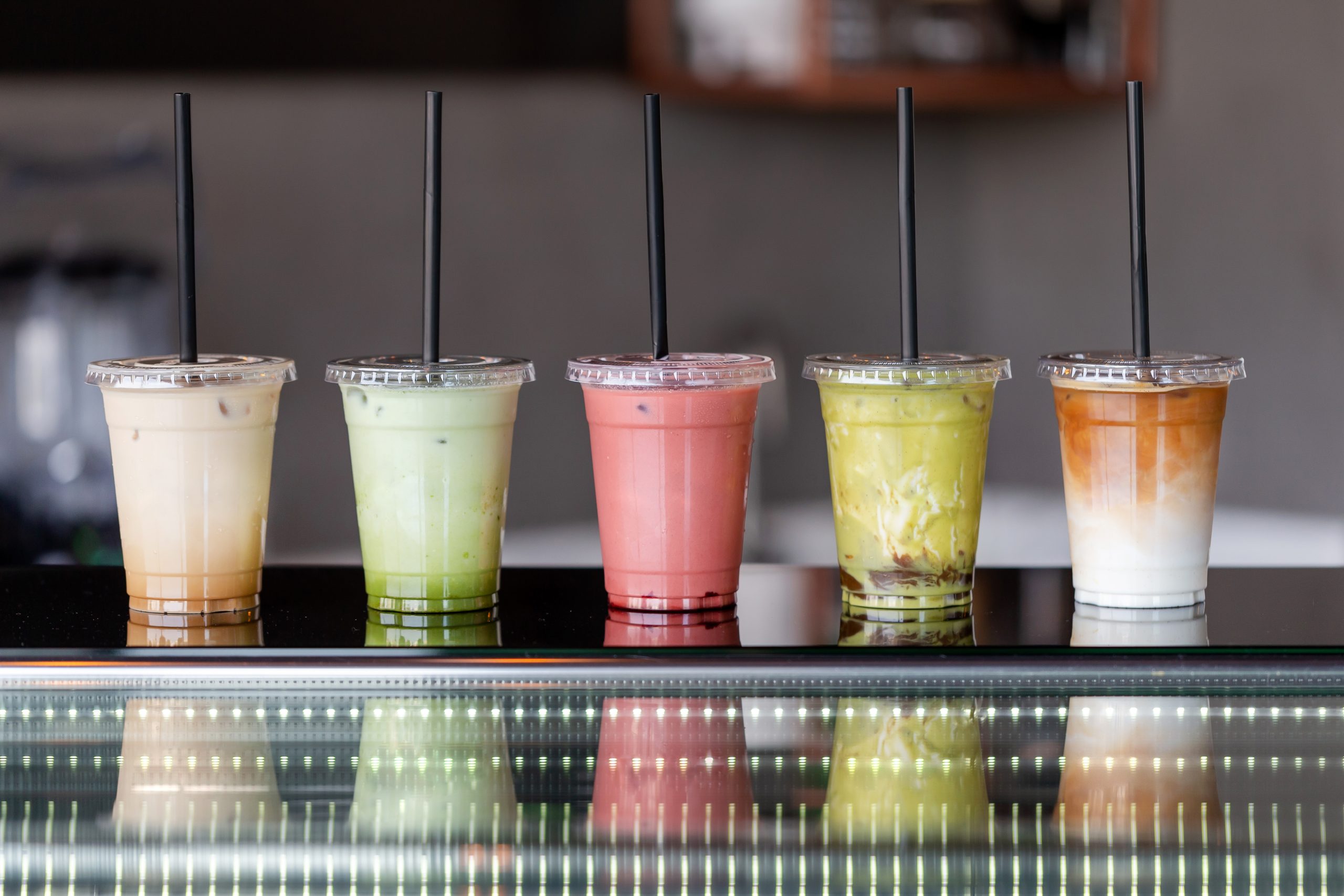
Step 1: lock the texture first. Choose a cup size, ice weight, and water level, then keep them fixed. Texture should not change from drink to drink. Pro tip: ice weight matters more than scoop count because cube size varies.
Step 2: choose the coffee signal. If the menu needs a strong coffee note, use espresso or concentrated cold brew. If the drink should read as dessert-forward, reduce coffee slightly and let mocha, vanilla, or caramel lead.
Step 3: build a repeatable flavor ladder. Start with one classic, one premium, and one seasonal profile. A shop might use the same neutral base for a Mocha Frappe, Salted Caramel Cold Brew Freeze, and Brown Sugar Oatmilk Coffee Shake. One base, three price points, lower storage complexity.
This approach works because the base carries the mouthfeel, not the identity. That gives independent shops more room to sound like themselves.
Yes, some can. Frozen Xplosion and fruit concentrates make this format especially versatile, because a neutral base can cross from coffee to fruit to bar programs without forcing one vanilla or mocha profile onto every drink.
This matters for operators who want fewer SKUs in dry storage. A single neutral base can support frozen lattes in the morning, smoothie-style afternoon drinks, and frozen cocktails at night. That is harder to do with a strongly coffee-flavored or dessert-heavy mix.
The trade-off is recipe design. A universal base gives flexibility, but the team must set clear ratios for each menu segment. If the same scoop goes into a strawberry smoothie and an espresso frappe, then the flavor concentrates must carry the identity cleanly.
A simple multi-use plan often looks like this:
If a business wants one system across dayparts, neutral usually beats pre-flavored.
Most texture failures come from ratio errors. Vitamix-style blenders and bases like Ghirardelli or Frozen Xplosion can still produce poor drinks if the ice, liquid, or coffee dose drifts from spec.
Weak flavor usually means one of two things. Either the base is neutral and the coffee addition is too low, or the ice load is too high for the cup size. If a 16 oz recipe tastes good at 10 oz of ice but thin at 14 oz, the fix is not more syrup, it is less dilution.
Icy texture often points to under-dosing the base or using warm coffee that shocks the blend. Chalky texture can come from poor hydration, wrong blend time, or a formula not matched to the liquid used. Pro tip: if a recipe was built for water, swapping in milk can change both sweetness and viscosity.
A quick troubleshooting checklist helps:
A strong frozen coffee base can fix many problems, but it cannot rescue sloppy ratios. The best 2026 choice is the one that matches the menu, the team’s skill level, and the storage reality of the business.
Most powder bases stay fresh for 6 to 12 months unopened and roughly 3 to 6 months after opening, as long as the bag is sealed tight and kept dry. Heat, humidity, and direct sunlight shorten that window fast. Liquid bases behave differently. Aseptic cartons can hold for months unopened but usually need refrigeration and faster use once opened, often within 7 to 14 days depending on the brand.
It depends on the formula. Neutral bases like Frozen Xplosion’s Everybase contain no caffeine, which means the operator controls the dose through espresso or cold brew. Pre-flavored coffee mixes often include coffee powder or coffee extract, so caffeine arrives with the scoop. Shops serving decaf, kids’ menu drinks, or late-night service should check the spec sheet before assuming a base is caffeine-free.
A commercial blender with at least 2 horsepower and a tamper-style pitcher gives the most consistent texture. Brands like Vitamix, Blendtec, and Hamilton Beach are common in café settings. Household blenders can work for low volume, but they often struggle with ice and shorten their motor life under daily use. Pre-programmed cycles also help newer staff hit the same blend time on every drink.
Partial batching is possible. Pre-measuring base powder into single-serve cups or pre-portioning cold brew into squeeze bottles speeds up the line without changing flavor. Blending the full drink ahead is not recommended because ice melts and texture breaks down within minutes. The goal is to remove scooping and pouring time, not the blend itself.
A common starting point is three to four times the total cost of goods, then adjusting for local market and positioning. Specialty cafés in higher-traffic urban areas often price blended coffee drinks between $6.50 and $8.50, while suburban or value-focused shops sit closer to $5.50 and $7.00. Signature drinks built on a neutral base can usually carry a premium of $0.75 to $1.50 over a standard frozen latte.
Yes, though the category is smaller than full-sugar lines. Some brands offer no-sugar-added or reduced-sugar formulas using stevia, monk fruit, or allulose. These typically need careful flavor pairing because the sweetness profile reads differently than sugar. Operators serving schools, hospitals, or wellness-leaning menus should request a sample first, since texture and aftertaste vary widely between formulas.
One neutral-flavored base, unlimited drinks. Add your own ingredients and create a menu your competitors can’t copy.
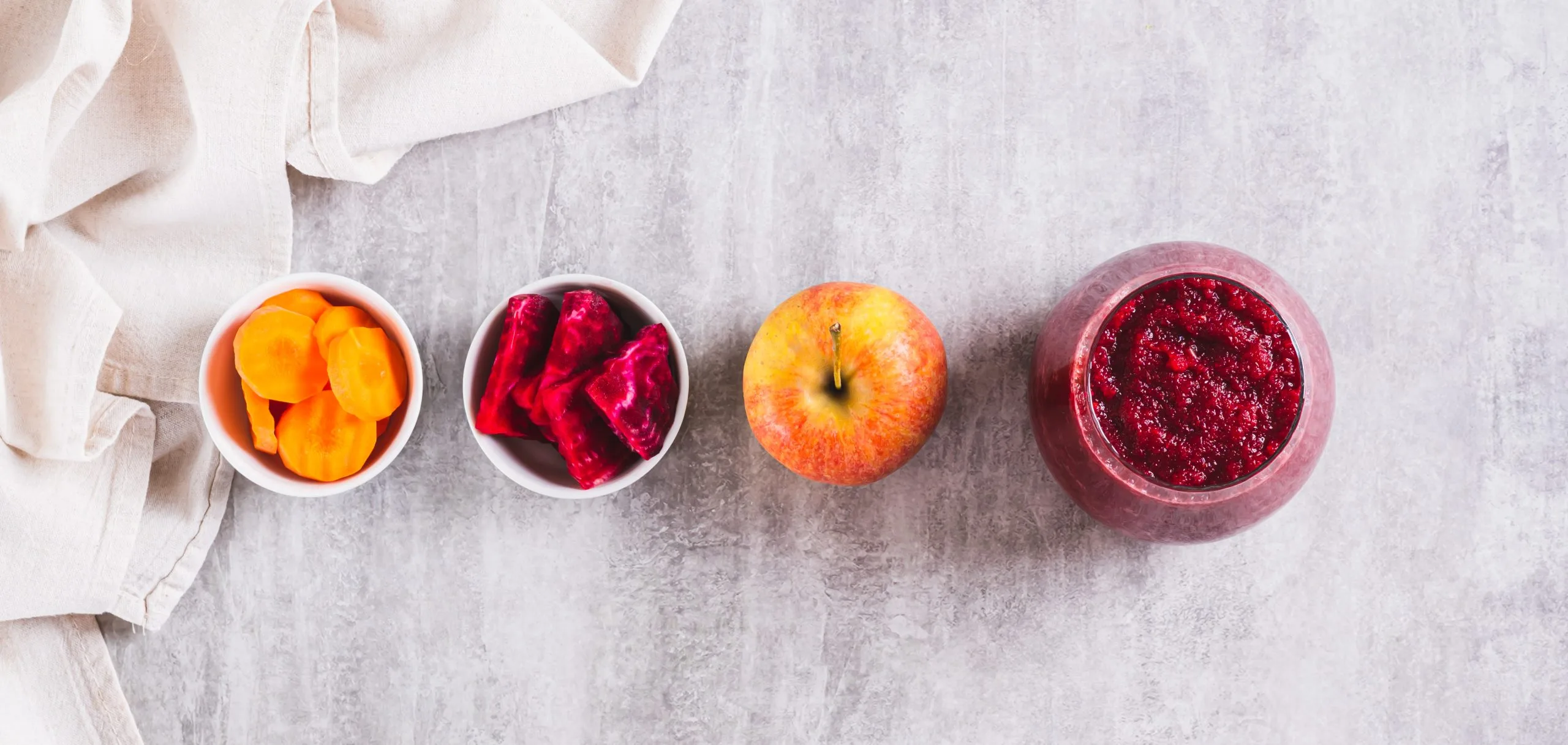
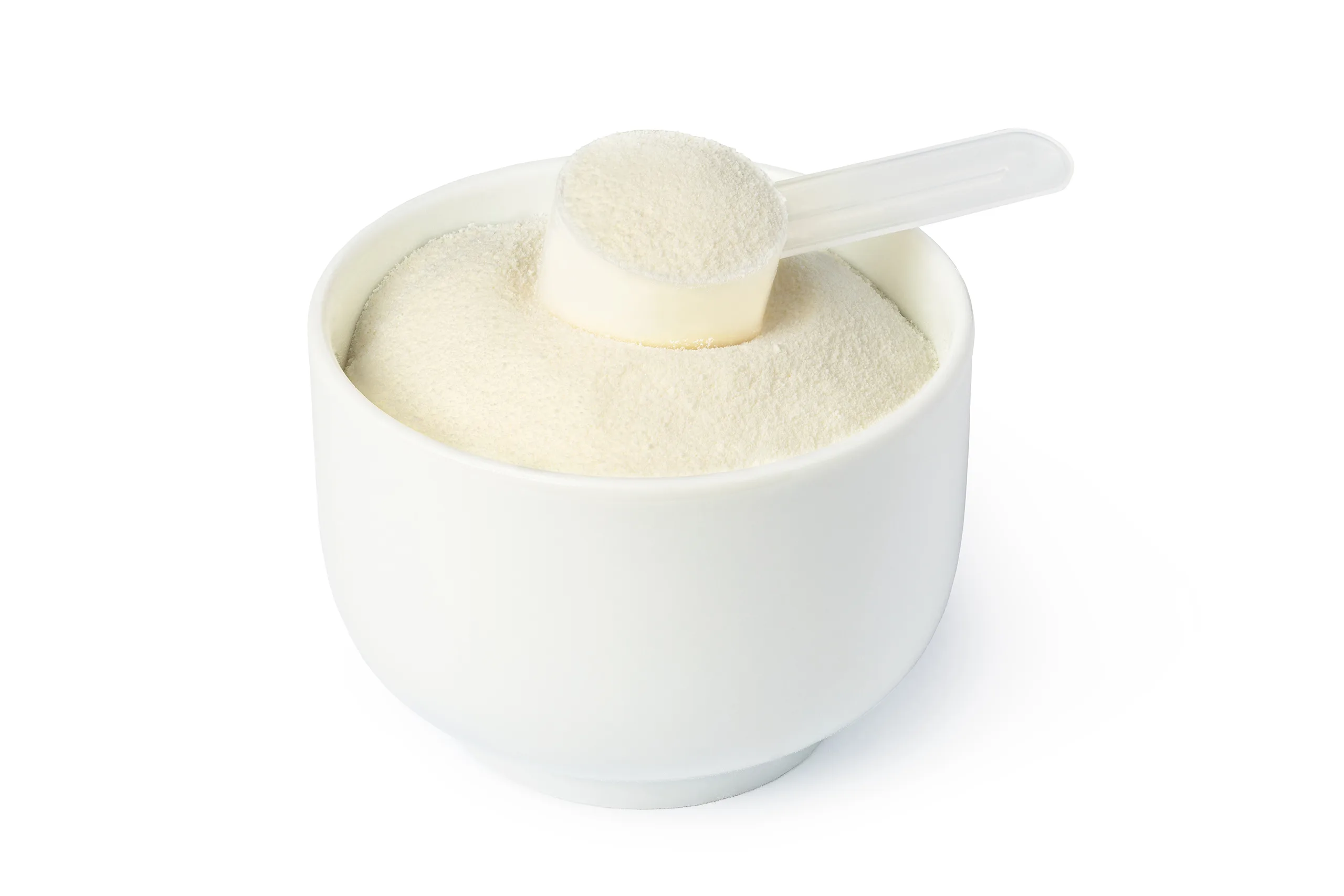
Make drinks your way, with endless possibilities! Frozen Xplosion Original Frappe & Smoothie Base mixes with just about anything: coffee, espresso and cold brew, fresh fruits and veggies, flavored syrups, alcohol and even donuts!

eCommerce Website Design by Wapiti Digital