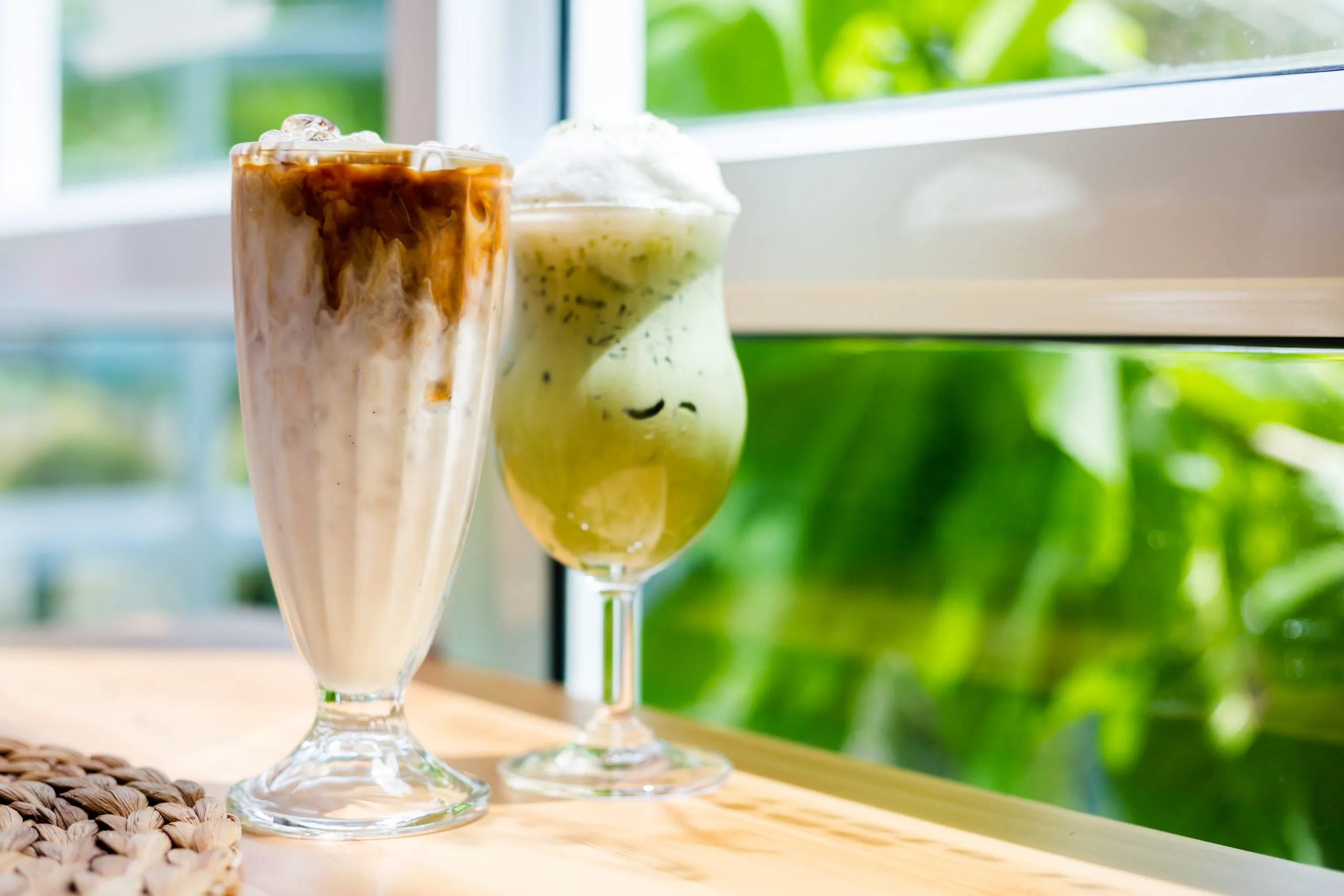
Launching Frozen Drinks at a New Coffee Shop
Launch new coffee shop frozen drinks in 30 days. Trial a sample bag, size your first case order, and train baristas on standard builds.
Share This Article


Mocktail mixers have grown into a real profit center as zero-proof demand climbs. The best mixer adds drink variety without creating waste, training friction, or SKU bloat. Neutral bases like Frozen Xplosion offer flexibility for frozen and blended menus, while Monin, Fever-Tree, Finest Call, and Reàl suit other formats. Smart operators choose by use case, require cross-utilization across at least three drinks, and keep seasonal menus modular for speed and consistency.
A mocktail mixer can turn a restaurant’s alcohol-free drink list from an afterthought into a real revenue line. The right mixer solves a practical problem: guests want premium zero-proof choices, but operators need speed, consistency, and tight inventory control. That gap is growing, with Datassential reporting mocktails up 233% on menus in four years while only about 20% of operators currently offer them. For most restaurants, the best mixer is the one that creates variety without creating waste, training friction, or a crowded back bar.
A mocktail mixer is a repeatable flavor base, and lemon juice or ginger beer are common examples. In restaurants, it can be a syrup, concentrate, puree, shrub, carbonation component, or neutral base used to build zero-proof drinks fast.
The key is that a mixer is not just a flavor. It is an operating tool. A good mocktail mixer helps teams hit the same taste, color, and texture every time, whether the drink is shaken, built over ice, sparkling, or blended.
That matters because restaurants do not just need creativity. They need a system. If a drink tastes great but requires six perishables and a trained bartender, then it may fail during a Friday rush. If the mixer works across spritzes, lemonades, and frozen drinks, then it becomes easier to keep on the menu year-round.
Yes, mocktail mixers are now a margin tool, and Datassential plus Restaurant Business both point to stronger zero-proof demand. They help restaurants serve non-drinkers, mixed groups, lunch guests, and sober-curious diners without defaulting to soda.
Premium alcohol-free drinks also support better beverage attachment. A guest who skips wine may still order a $7 to $12 zero-proof beverage if the menu language feels intentional and the flavor feels adult. Many operators target beverage costs in the roughly 18% to 28% range for specialty nonalcoholic drinks, depending on garnish, glassware, and labor.
Common misconception: mocktails only replace lost alcohol sales. In practice, they often create incremental sales from guests who otherwise would have ordered water, iced tea, or nothing at all. If the menu positions them near cocktails rather than kids’ drinks, then perceived value usually rises.
Frozen Xplosion, Monin, and Fever-Tree all fit different restaurant needs. The best choice depends on format, because a frozen patio menu needs something different from a sparkling brunch program.
A useful way to evaluate brands is by asking one question: does this mixer reduce labor while still giving the menu a point of difference? Some brands win on flavor breadth, some on carbonation quality, and some on back-of-house simplicity.
| Brand | Best For | Format | Key Strength |
|---|---|---|---|
| Frozen Xplosion | Frozen and blended mocktails, smoothies, and signature drinks | Shelf-stable neutral base | Dairy free, gluten free, blends in about 60 seconds, fewer SKUs |
| Monin | Still and sparkling mocktails with wide flavor variety | Syrups and fruit flavors | Broad range for seasonal limited-time offers |
| Finest Call | High-volume bars and casual concepts | Ready-to-pour mixers | Familiar cocktail-style builds, less flexible |
| Fever-Tree | Premium carbonated mocktails | Bottled tonic, ginger beer, club soda | Carbonation quality for spritzes and mule-style drinks |
| Reàl | Fruit-forward menus wanting puree texture | Purees | Body for mango, strawberry, passion fruit, needs portion control |
A restaurant should choose mixers by use case first, and lime plus mango are good examples of high-utility flavors. The right system supports at least three drinks, consistent costing, and a ticket time the staff can actually hit.
Operators often overbuy flavor variety and underbuy usability. A six-drink zero-proof menu does not need twelve specialty bottles. Pro tip: require each mixer to appear in at least three menu items before giving it permanent storage space.
A simple three-step screen works well:
If a concept has a drive-thru, patio, or family-heavy mix, then frozen and lemonade-based systems usually outperform bar-only botanicals. If the concept is chef-led or bar-forward, then shrubs, teas, and florals may justify the extra complexity.
Yes, a neutral base is usually better for flexibility, and Frozen Xplosion or Monin-style flavor add-ins show the difference. Neutral systems let restaurants build signature drinks without stocking a separate base for every flavor.
Pre-flavored mixes are faster when the goal is one specific drink, like a single piña colada or strawberry slush. The trade-off is inventory sprawl. Every new flavor becomes another SKU, another reorder point, and another storage decision.
A neutral base works more like infrastructure. Add lemonade concentrate for a bright cooler, mango for a tropical frozen mocktail, or espresso for a coffee-adjacent blended drink. If the concept wants branded originality, then neutral wins. If the concept wants plug-and-play sameness across locations, then pre-flavored can still make sense.
Common misconception: pre-flavored always means easier. It is easier at the blender. It is often harder in purchasing, storage, and seasonal menu changes.
No, fresh juice is not automatically better, and lime plus guava show why. Fresh citrus can taste brighter, but shelf-stable concentrates usually win on yield, waste control, and consistency.
Fresh juice is strongest when the drink’s identity depends on that just-cut acidity, like a citrus spritz or a classic sour-style mocktail. The downsides are labor, refrigeration, and shelf life. Many operators use a 2 to 3 day refrigerated window for fresh citrus after juicing, depending on SOP and food safety controls.
Shelf-stable concentrates are stronger when speed and predictable cost matter. They also help restaurants hold trend flavors like dragon fruit, passion fruit, or lemonade without tying the menu to variable produce pricing. Pro tip: guests usually notice balance before they notice whether the acid came from a hand-squeezed lime.
If the menu is bar-led and low-volume, then fresh may pay off. If the menu is high-volume, multi-unit, or blended, then concentrates usually give the better operational result.
A seasonal program works best when one core system stays fixed, and cranberry or dragon fruit becomes the rotating accent. That keeps training light while still giving guests a reason to return.
The smartest seasonal menus are modular. The glassware, base recipe, and price point stay familiar. Only one or two flavor notes shift. Pro tip: guests want novelty, but the kitchen wants repetition.
A simple process looks like this:
If the restaurant rotates three ingredients at once, then staff retraining and waste usually climb. If it rotates one accent flavor and one garnish, then the menu stays fresh without losing speed.
Yes, flavor preference changes by concept, and ginger beer plus yuzu prove it. Casual dining usually wins with familiar fruit and citrus, while upscale bars can support more bitter, botanical, and globally inspired profiles.
Restaurant type shapes guest expectations. A family restaurant benefits from approachable drinks. A hotel bar can sell layered, adult-style zero-proof beverages with less explanation. Datassential has also flagged yuzu, guava, and dragon fruit as underpenetrated flavors with room to grow.
A practical breakdown looks like this:
Common misconception: trend flavors must replace classics. In reality, the strongest menu mix is usually 70% familiar and 30% new.
Staff should train on flavor language, build order, and upsell cues, and tonic plus rosemary are enough to prove the point. A guest should hear a clear one-line description, and the bar should follow one exact recipe.
The goal is not just product knowledge. It is production discipline. If the build order varies, then dilution, sweetness, and garnish quality vary too. That hurts repeat sales more than most operators expect.
A three-part training system works well:
Pro tip: train mocktails alongside cocktails, not as a separate low-priority category. That keeps the section premium and prevents the common mistake of treating zero-proof drinks like modified sodas.
The biggest mistakes are poor positioning, too many one-off ingredients, and weak naming, and “virgin” plus grenadine-heavy builds are classic examples. Guests buy mocktails when they sound intentional, not apologetic.
A menu fails when the drinks read like substitutes instead of choices. “Virgin mojito” signals compromise. “Mint Lime Cooler” or “Sparkling Basil Citrus” signals a finished product. Language affects price tolerance more than many teams realize.
Another common problem is SKU bloat. Operators add lavender, lychee, jalapeño, yuzu, blood orange, and hibiscus, then discover each appears in one drink only. If a mixer does not cross over into at least a few items, then it often becomes dead stock. Common misconception: more flavors mean more appeal. More often, they mean more waste.
Frozen mocktail mixers fit patio, drive-thru, and family-heavy menus especially well, and mango plus piña colada are reliable examples. They create visual appeal, fast throughput, and strong upsell potential when the system is simple.
This is where a neutral base can do real work. A creamy or smooth texture without milk broadens the menu for dairy-free and vegan guests while simplifying production. For restaurants, that means fewer modifiers and a better chance of consistency across shifts.
Frozen formats are not the answer for every concept. A fine-dining zero-proof pairing may need tea, shrubs, and still service rather than a blender. Yet for bars, casual chains, resort patios, and summer limited-time offers, frozen mocktails can be one of the easiest ways to stand out. If the concept needs speed, visual impact, and broad guest appeal, then a shelf-stable blended system is often the most practical mocktail mixer choice.
Shelf life depends on format. Shelf-stable concentrates and powdered bases often hold 6 to 12 months unopened and several weeks once opened with proper sealing. Refrigerated purees and shrubs usually need to be used within 2 to 4 weeks. Carbonated mixers like tonic and ginger beer lose quality fast once exposed to air, so smaller bottle formats often work better than large ones for low-volume drinks.
Not always, but the gap should be smaller than many operators assume. A common range puts zero-proof drinks at 60 to 80 percent of a comparable cocktail price. Pricing them too low can signal lower quality and shrink perceived value, while matching cocktail pricing exactly can frustrate guests who expect a difference. The right number depends on ingredient cost, glassware, garnish, and labor parity with the bar program.
Placement near cocktails almost always outperforms placement near soft drinks or the kids’ section. Guests scan beverage menus in a predictable order, and zero-proof drinks earn higher checks when they sit alongside the bar program. A short section header like Zero-Proof or Spirit-Free signals intention without sounding apologetic.
Yes for most formats, with a few adjustments. Sparkling drinks lose carbonation quickly, so they suit dine-in better than delivery. Frozen mocktails travel poorly in standard cups but can work in sealed containers for short distances. Still drinks built from concentrates or neutral bases hold up best, especially when packed without ice and shipped with garnish on the side.
This varies a lot by brand. Restaurants should request spec sheets that confirm gluten free, dairy free, vegan, and allergen status before adding a mixer to the menu. Neutral bases that are dairy free and gluten free reduce the number of modifications needed during service. Listing one or two dietary tags next to qualifying drinks also tends to lift orders from guests with restrictions.
Often yes, with batching adjustments. Concentrates and neutral bases scale well into pitcher or dispenser service, while fresh juice programs struggle at volume. For catering, restaurants usually pick two or three drinks that can be pre-batched without losing quality, then add garnish on site. This keeps labor low and lets one mixer system support both daily service and event work.
One neutral-flavored base, unlimited drinks. Add your own ingredients and create a menu your competitors can’t copy.
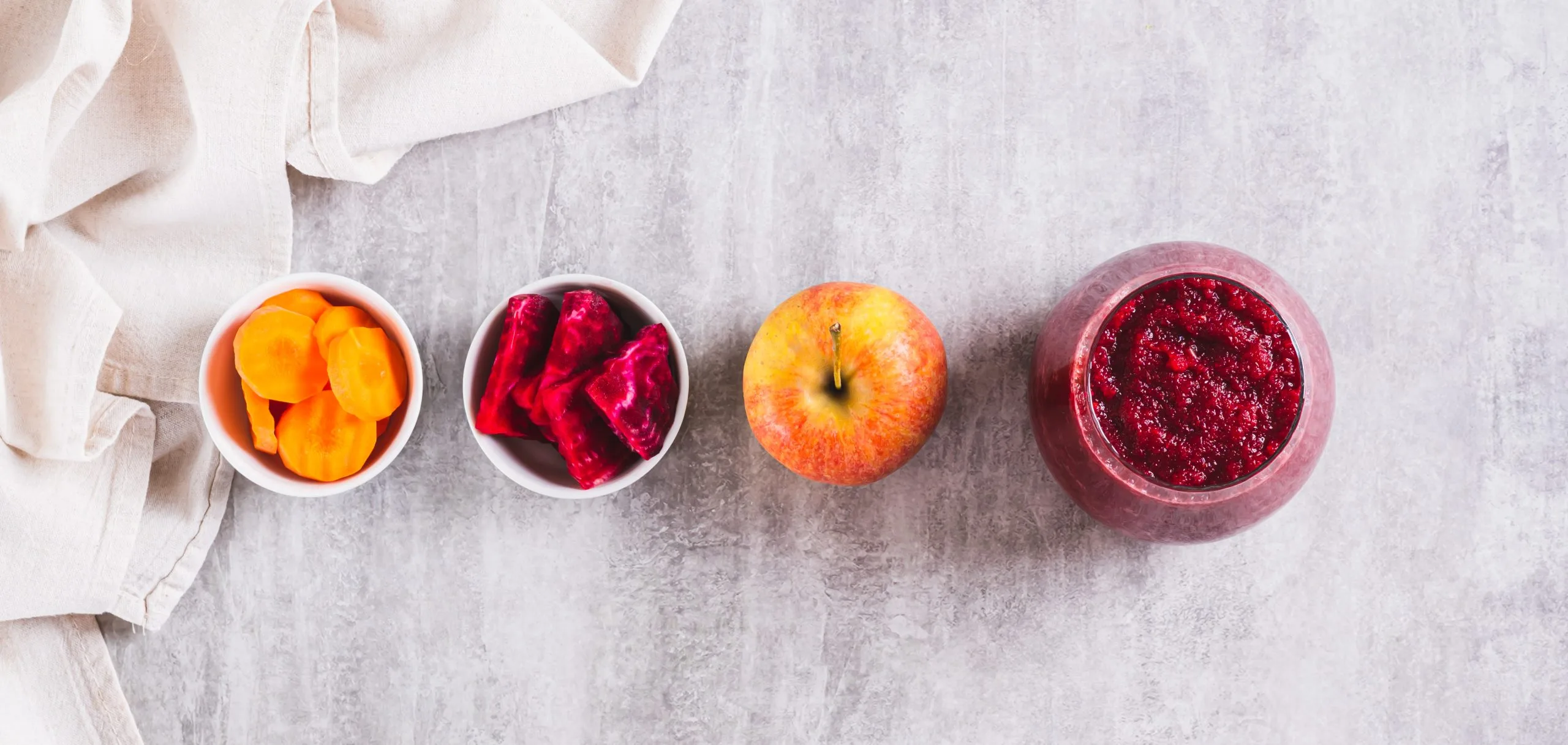
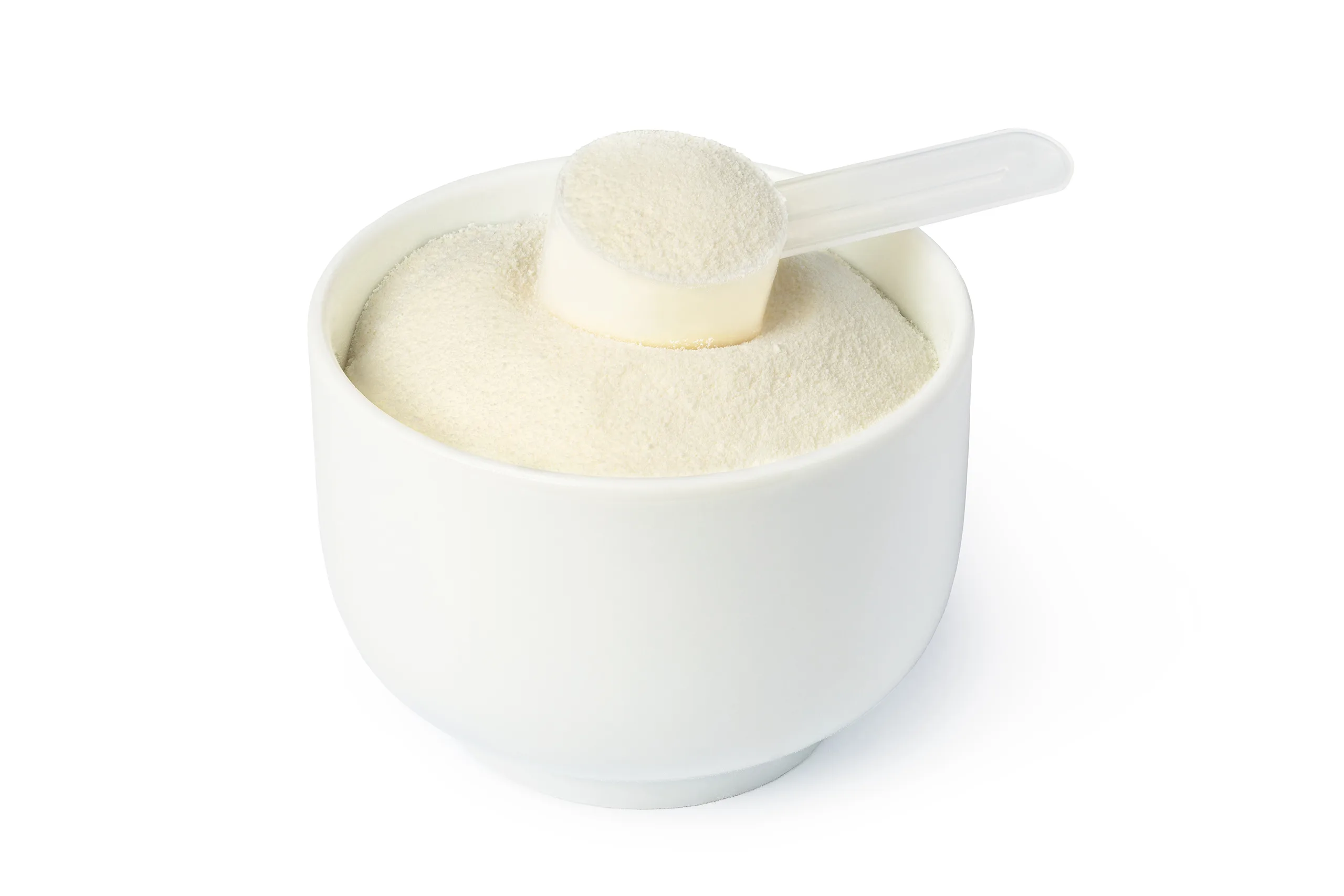
Make drinks your way, with endless possibilities! Frozen Xplosion Original Frappe & Smoothie Base mixes with just about anything: coffee, espresso and cold brew, fresh fruits and veggies, flavored syrups, alcohol and even donuts!

eCommerce Website Design by Wapiti Digital