
What Blending Powder Does in a Blended Drink
Blending powder for drinks adds body and creaminess to a blended drink. See when one neutral base replaces a flavor syrup plus a separate binder.
Share This Article


A fall frozen drink menu runs off one neutral base plus the seasonal flavors you already stock, so you can launch a full lineup without buying pumpkin or caramel powders. Build blended coffees at two ounces of base per twelve ounce drink, add espresso, syrup, or real fruit, and finish with whipped cream and a cinnamon dusting. Run it as a limited-time special, then swap the add-ins to reset your core menu.
Fall is the easiest limited-time menu you will ever run, because customers are already primed to want something warm-spiced and seasonal the moment the weather turns. The mistake is buying a shelf of pumpkin and caramel powders that you will be scraping out of a back cupboard by November. You do not need them.
A full fall lineup runs off one neutral base plus the syrups, espresso, and fruit you already stock. Because the base carries whatever flavor you add, you can turn the same bag into a pumpkin spice frappe, a maple cold brew freeze, or a berry smoothie, then look at your recipes and swap the whole thing back out when the season ends. Here are concrete builds and how to run them.
The reason a fall lineup is so cheap to launch is that the base is neutral and does the structural work, while your seasonal flavors ride on top. It blends creamy with just water and ice, so a pumpkin, maple, or apple drink is a matter of what you stir in, not a separate product you have to source. That is the whole idea behind one base and limitless drinks.
It also means every fall drink starts from the same standard build. Two ounces of base makes a twelve ounce drink and three ounces makes a sixteen ounce drink, blended about thirty seconds and finished with whipped cream. For the fruit-forward pours you can lean on the fruit concentrates instead of prepping fresh produce every morning. Both the Original and Vegan bases are dairy free, so the entire seasonal menu can pour dairy free if you want it to.
Here are five specific twelve ounce builds that cover the flavors people ask for in autumn, each one starting from the standard two ounces of base. Scale to three ounces of base for a sixteen ounce cup and adjust your add-ins to taste.
Notice that every one of these is a small variation on the same motion. Your team is not learning five new procedures, they are learning one build and five garnishes, which is exactly what keeps a seasonal menu fast on the line.
| Fall drink | Base (12 oz) | Seasonal add-ins | Finish |
|---|---|---|---|
| Pumpkin Spice Frappe | 2 oz base | 1 shot espresso, pumpkin spice syrup | Whipped cream, cinnamon |
| Maple Cold Brew Freeze | 2 oz base | 3 oz cold brew, maple syrup | Whipped cream |
| Spiced Mocha | 2 oz base | 1 shot espresso, 1.5 oz chocolate syrup, cinnamon | Whipped cream |
| Caramel Apple Chill | 2 oz base | 1.5 oz real apple or puree, water and ice | Caramel drizzle |
| Autumn Berry Smoothie | 2 oz base | 1.5 oz Wildberry concentrate, water and ice | Berry garnish |
For the fruit side of a fall menu, Real Fruit Concentrate is the fastest path to a consistent pour because it drops straight into the standard smoothie build. Two ounces of base plus an ounce and a half of concentrate plus three ounces of water and ice gives you a repeatable drink without washing, cutting, or freezing produce during a rush. Wildberry reads as a deep autumn berry, and Orange Cream leans into a warm creamsicle profile that pairs well with a cinnamon rim.
If you want to test a fall flavor before committing, grab a single bottle and run it as a one week special to see how it sells. When a flavor earns a permanent spot in the rotation, the six pack of concentrates keeps several options on hand so you can rotate the fruit pour without a supply gap. Because concentrate is shelf stable, an unsold flavor is not a loss, it just waits for its season.
Presentation is where a fall drink earns its premium, so name it for the season and finish it so it photographs well. A drink called an Autumn Berry Chill or a Maple Harvest Freeze sells better than the same cup listed as a berry smoothie, and the seasonal name gives customers a reason to try something beyond their usual order.
Treat the fall lineup as a true limited-time offer, because the deadline is what drives the traffic. Put a start and end date on it, feature two or three drinks on a board rather than burying them in the full menu, and train staff to suggest the seasonal pour at the register. A finished drink comes together in roughly sixty seconds from bag to cup, so adding a seasonal special does not slow your line or complicate the build.
Keep the operation lean while it runs. Pre-portion your dry base for peak hours, batch only to your rush so nothing gets dumped, and let the concentrate and syrups do the seasonal work. The base needs no refrigeration and takes about two square feet of storage, so a seasonal menu does not demand new cooler space or a bigger back room.
The best part of running fall off a neutral base is that there is nothing seasonal to throw away when it ends. Because the base is neutral and shelf stable, you are not left with half a case of pumpkin powder you cannot use in December. You simply change the add-ins and the same base goes back to pouring your core frappes and smoothies.
Plan the swap the same way you planned the launch. Set the end date, sell down your seasonal syrups and any perishable garnishes, and reset the feature board to your everyday lineup or the next season. The base, the blender, and the workflow never change, which is what makes rotating a seasonal menu something you can do a few times a year without friction.
A neutral base turns a seasonal menu into a garnish change, not a supply order you have to unwind later.
Two or three focused builds usually outperform a long seasonal list. A short board is easier for staff to execute quickly and easier for customers to choose from, and it keeps your seasonal syrups and garnishes from piling up. You can rotate a new drink in mid-season to keep regulars curious.
Yes. The base is built for frozen drinks but also works in hot drinks and baked goods, so a spiced base can carry a warm seasonal beverage as well as a frozen one. Keep your ratios consistent and adjust the liquid and temperature to the format you are serving.
Wildberry and Orange Cream tend to feel the most autumnal, with Wildberry reading as a deep berry and Orange Cream giving a warm, creamy profile. Mango and Strawberry can bridge from a summer menu into early fall if you are transitioning your lineup gradually.
Have your builds tested and your seasonal syrups ordered a couple of weeks before you want to launch, so the start date is a marketing decision and not a scramble. Because the base is already on your shelf, most of your lead time is just sourcing the seasonal add-ins and garnishes.
Yes. If a seasonal build sells well, graduate it to your core menu and keep the rest as the limited-time set. Since it runs on the same base and workflow as everything else, keeping one former seasonal drink adds no operational complexity.
One neutral-flavored base, unlimited drinks. Add your own ingredients and create a menu your competitors can’t copy.
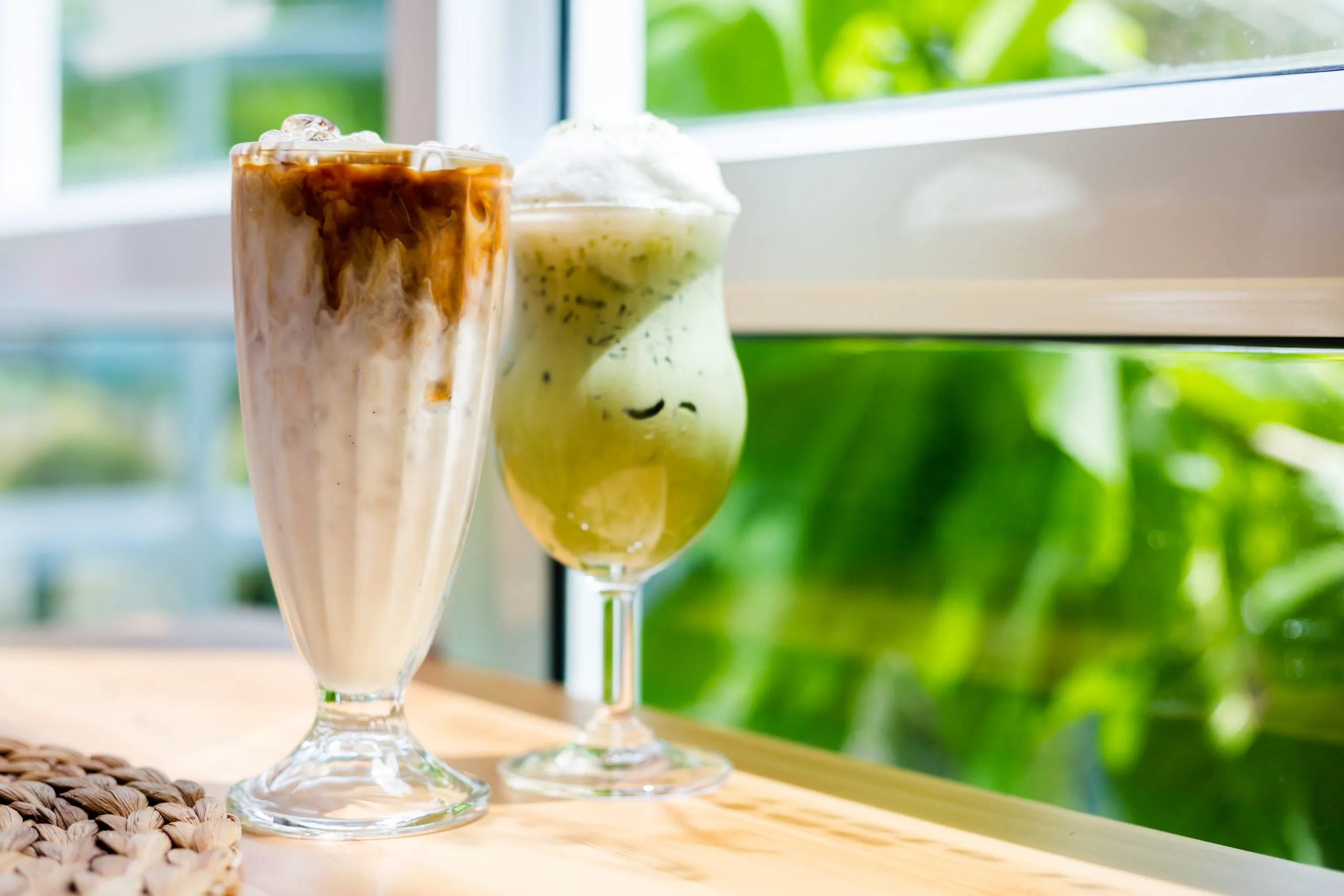
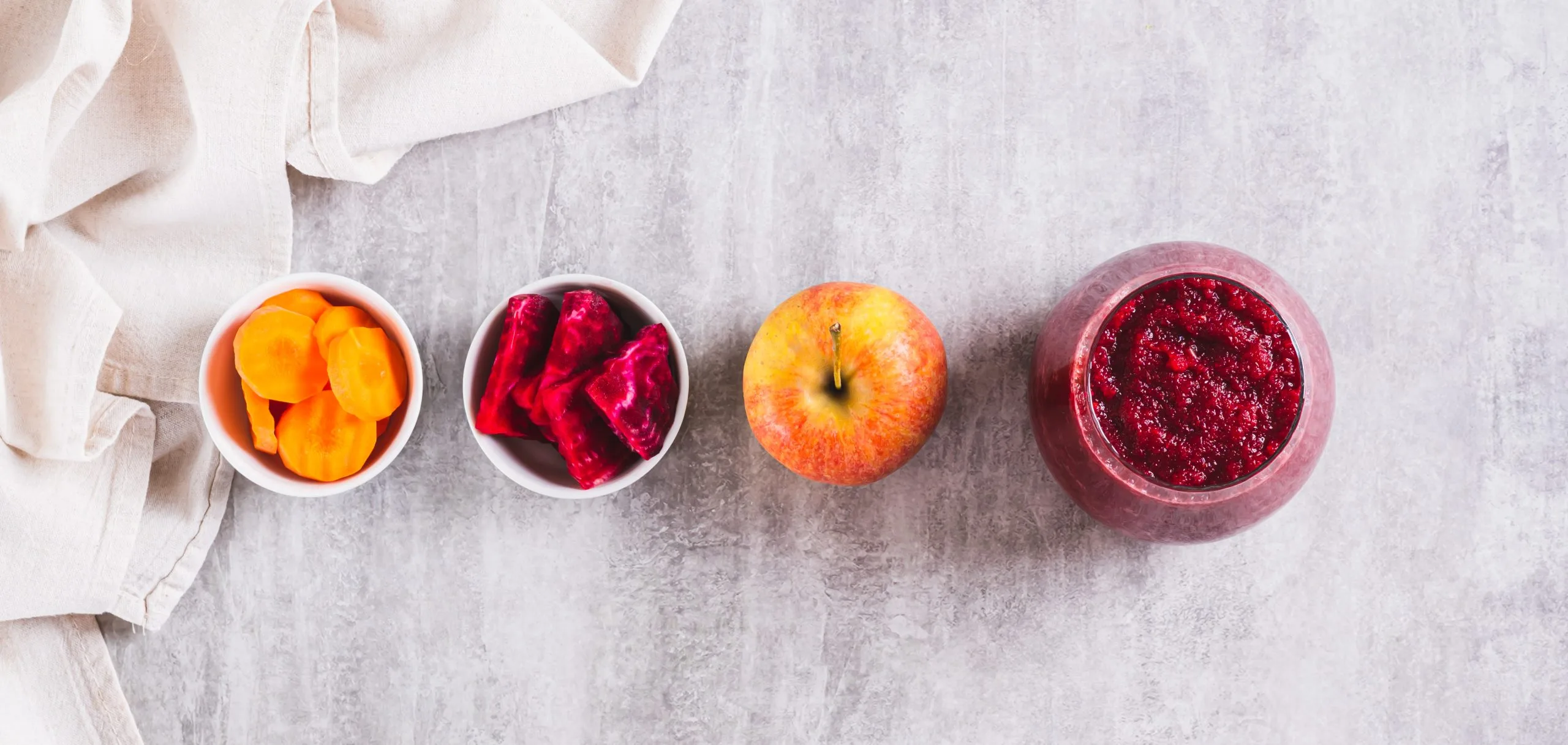
Make drinks your way, with endless possibilities! Frozen Xplosion Original Frappe & Smoothie Base mixes with just about anything: coffee, espresso and cold brew, fresh fruits and veggies, flavored syrups, alcohol and even donuts!

eCommerce Website Design by Wapiti Digital