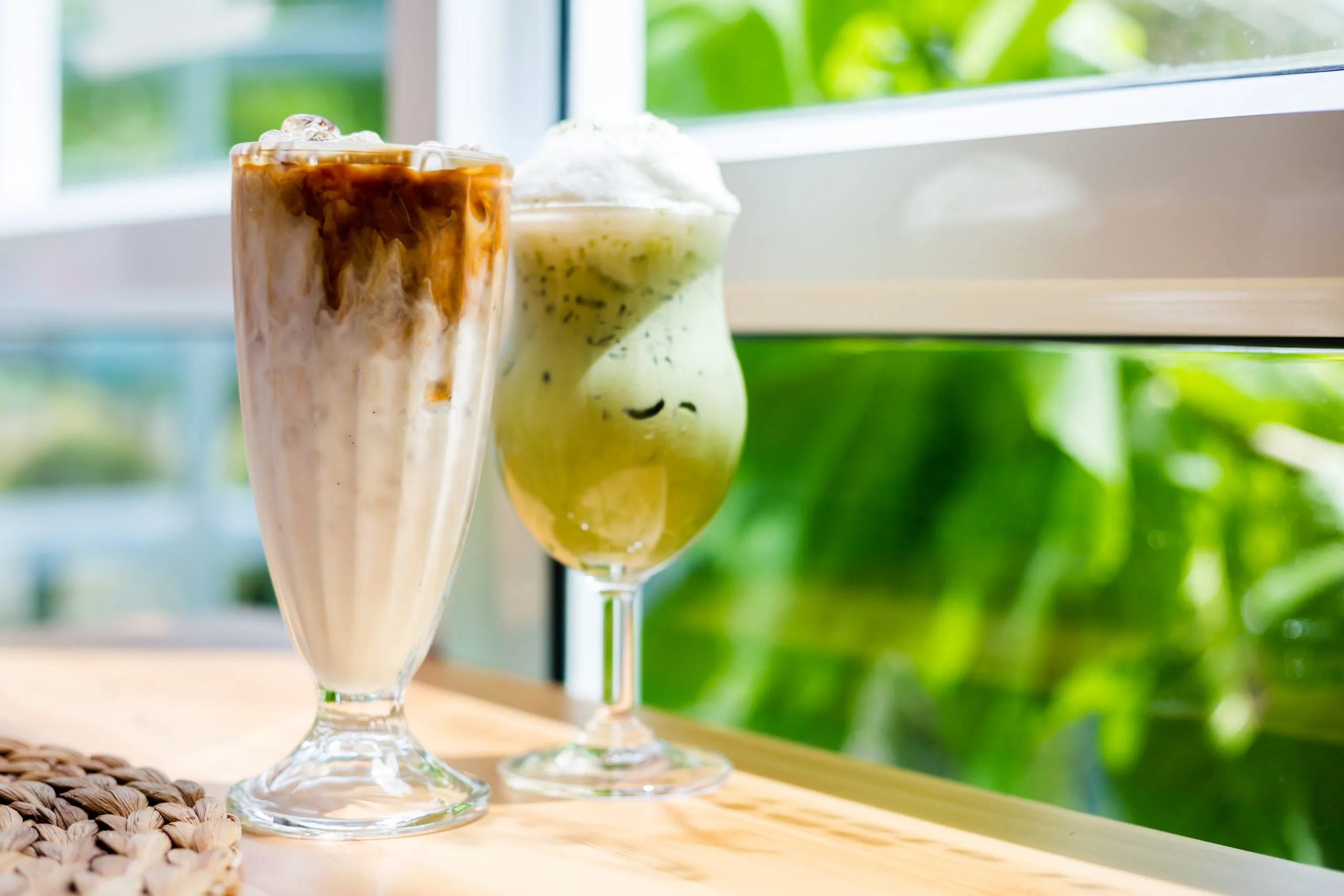
Launching Frozen Drinks at a New Coffee Shop
Launch new coffee shop frozen drinks in 30 days. Trial a sample bag, size your first case order, and train baristas on standard builds.
Share This Article


A beverage mix falls into one of two categories: shelf-stable or refrigerated. Shelf-stable mixes require no cold storage before opening, which reduces cooler dependence, simplifies receiving, and lowers food-safety risk from temperature fluctuations. Refrigerated mixes must stay below 40°F at every stage, adding monitoring and discard risk if the cold chain slips. For operations with limited cooler space or high drink volume, the shelf-stable format often delivers a cleaner, more consistent workflow.
Choosing between a shelf-stable beverage mix and a refrigerated mix affects much more than ingredient storage. It changes labor, prep routines, menu flexibility, and food-safety risk from the moment a product arrives.
That difference matters in coffee shops, drive-thrus, restaurants, bars, and home setups alike. A mix that can sit on a shelf until it is opened offers one kind of workflow. A mix that must stay cold at every step asks for a very different system.
A shelf-stable beverage mix is formulated to remain safe and usable at room temperature before opening, as long as it is stored according to its label. It does not require constant refrigeration during storage and sale. In practical terms, that means less dependence on cooler space and fewer cold-chain concerns before the product is prepared.
A refrigerated mix is different. It must be kept cold during storage, transport, and service. That requirement affects how the product is received, where it is stored, and how quickly it needs to be used once temperatures rise.
The distinction sounds simple, but the daily effect is significant.
After that basic definition, the most useful comparison is operational:
For beverage programs that want speed and consistency, shelf-stable products often stand out because they remove one major variable: refrigeration before use.
Food safety is the clearest dividing line between these two mix types. The USDA says bacteria grow most rapidly between 40°F and 140°F, a range it calls the “Danger Zone.” Some bacteria can double in as little as 20 minutes. USDA guidance also says refrigerators should be set to 40°F or below to protect most foods.
That makes refrigeration more than a storage preference. It is a safety control.
FDA consumer guidance says foods that require refrigeration should be placed in the refrigerator as soon as they are brought home. The FDA also says the refrigerator should be kept at or below 40°F, while foodservice guidance points to 41°F or lower for refrigerated foods. Those standards create a clear expectation for refrigerated mixes: the product has to stay cold, consistently.
If that temperature control slips, the risk rises quickly. USDA guidance says foods held above 40°F for more than two hours should not be consumed. FDA consumer guidance says refrigerated perishable food should be discarded if it has been above 40°F for four hours or more. The exact rule can vary by context, but the message is the same: time and temperature matter.
Shelf-stable beverage mixes avoid that refrigeration requirement before preparation. That does not remove the need for clean equipment, proper handling, and label compliance, but it does reduce one major pressure point in service.
| Comparison point | Shelf-stable beverage mix | Refrigerated beverage mix | Why it matters |
|---|---|---|---|
| Pre-opening storage | Stored at room temperature if label allows | Must stay cold | Changes space planning and workflow |
| Delivery handling | Less dependent on immediate cooler access | Cold chain must be protected | Affects receiving procedures |
| Temperature monitoring | Lower pre-use burden | Ongoing checks needed | Adds labor and compliance tasks |
| Food-safety exposure | Less tied to cooler failure before opening | Sensitive to time above 40°F | Reduces discard risk from temperature abuse |
| Menu station setup | Easier to stage dry or shelf items | Needs refrigerated placement | Impacts service speed |
| Backup inventory | Easier to hold on site | Limited by cooler space | Influences purchasing and stock levels |
There is also a hidden issue with refrigerated products: a mix can look and smell normal and still be unsafe if it was not properly refrigerated, according to the FDA. That makes strict cold holding a daily discipline, not a one-time check.
Many operators feel the difference first in the walk-in or reach-in cooler. Refrigerated mixes compete with milk, cream, produce, desserts, garnishes, and ready-to-serve food. When cold storage is tight, every extra bottle or carton matters.
A shelf-stable beverage mix helps relieve that pressure by moving part of the beverage program out of the cooler. That can open up room for higher-priority perishables and simplify inventory placement during busy shifts.
Frozen Xplosion positions its neutral frappe and smoothie base in that shelf-stable category. The company states that its Original Frappe Base & Smoothie Mix does not require refrigeration before use and blends with water and ice. That approach changes prep in a direct way: no milk is required to create a creamy frozen drink base, which removes another refrigerated ingredient from the formula.
Speed is part of the appeal too. Frozen Xplosion states that its base is ready in about 60 seconds. For high-volume beverage service, that short prep window supports faster ticket flow without sacrificing consistency.
Operationally, the benefits often show up in a few recurring areas:
That does not mean refrigerated mixes have no place. Some menu concepts rely on fresh dairy, chilled purees, or short-shelf-life ingredients to reach a specific flavor or texture target. Still, many operators prefer to reserve refrigeration for ingredients that cannot be stabilized and keep the core blending base shelf-stable.
Even a small format operation benefits from that separation. A kiosk, drive-thru, concession stand, or compact bar often has limited refrigeration. In those spaces, a shelf-stable base can make frozen beverages more realistic as an everyday menu item instead of a high-maintenance add-on.
Storage is only half the story. A beverage mix also shapes how many drinks can come from one product.
A neutral shelf-stable base has a strong advantage here because it starts without locking the menu into one dominant flavor. Frozen Xplosion describes its base as compatible with coffee, espresso, cold brew, fresh fruit, vegetables, flavored syrups, alcohol, and even donuts. That wide compatibility gives operators room to build house recipes with a single foundation.
That kind of format can reduce SKU count. Instead of stocking separate pre-flavored frozen bases for every menu category, a shop can use one neutral base and layer in coffee, fruit concentrates, syrups, or bar ingredients as needed.
The business case is simple. Fewer specialized bases can mean less storage complexity, less product overlap, and a more distinct menu.
One café may want frozen mochas, espresso shakes, and fruit smoothies from the same blender station. A restaurant may want nonalcoholic refreshers at lunch and frozen cocktails at dinner. A home barista may want one bag in the pantry that can move from morning coffee drinks to weekend smoothies. A neutral shelf-stable base supports each of those use cases with less friction.
Here is where brand differentiation enters the picture. When the core texture and body come from a neutral mix, the signature comes from the operator’s own add-ins and ratios. That helps create drinks competitors cannot easily copy.
A beverage program does not need many weak spots before costs start creeping up. Refrigerated storage adds power use, cooler congestion, temperature checks, and potential product loss when handling slips. Shelf-stable mixes can trim some of that burden.
Consistency matters just as much. A neutral frozen base that blends with water and ice gives staff a repeatable starting point. That supports smoother training and a more uniform drink texture across shifts.
This is especially useful in high-turnover environments where simple builds matter. If a team member can combine a shelf-stable base, water, ice, and the chosen flavor components, the result is easier to standardize than a process that depends on multiple chilled ingredients, each with its own handling needs.
A few practical consistency gains tend to stand out:
There is also a planning advantage in case-pack storage. Frozen Xplosion states that one case of its Original Frappe Base & Smoothie Mix contains 12 bags, with each bag weighing 3 pounds. A packaged shelf-stable format like that can be easier to count, reorder, and stage than a mix of refrigerated bottles and perishable dairy items with different use windows.
The best fit depends on the service model, menu goals, and available storage. A large restaurant with abundant refrigeration may comfortably handle chilled beverage components. A small drive-thru may see more value in pantry storage and quick blending. A bar may want a base that works for both spirit-free drinks and frozen cocktails. A home user may simply want convenience without giving up texture.
The deciding questions are practical, not abstract. How much cooler space is available? How often do deliveries arrive? How many frozen drinks need to be made during peak periods? How many menu variations should come from one base?
For many operators, the shelf-stable format answers those questions cleanly because it reduces storage pressure while keeping menu options open.
A simple buying framework can help:
That is why shelf-stable beverage mixes continue to appeal across multiple channels. They simplify the pre-opening storage picture, reduce dependence on cold holding, and support fast frozen drink prep with fewer operational obstacles.
When beverage service needs to be quick, flexible, and repeatable, the format of the mix matters as much as the flavor in the cup.
Best-by dates indicate peak quality, not safety in the same way a perishable product would. A shelf-stable mix stored properly may still perform well shortly past that date, but flavor and texture can decline. Always check the manufacturer’s guidance and discard any product that shows changes in color, smell, or clumping.
Yes. Once opened, most shelf-stable mixes should be resealed tightly and used within the timeframe listed on the packaging. Exposure to moisture and air can affect both safety and performance. The shelf-stable classification applies to the unopened product, not necessarily to leftovers sitting at room temperature.
Not necessarily. Refrigeration is a preservation method, not a quality indicator. A well-formulated shelf-stable mix can deliver consistent texture and flavor without requiring cold storage. The right choice depends on your menu goals and operational setup, not the assumption that cold means better.
This is where refrigerated products carry real operational risk. If the cooler fails and the mix exceeds safe holding temperatures for too long, the product must be discarded. Shelf-stable mixes are not affected by cooler outages before opening, which makes them more resilient in unpredictable service environments.
Most neutral frozen bases are formulated for cold and blended applications. They are designed to blend with ice and water, which makes them well-suited for frappes, smoothies, and frozen cocktails rather than hot beverages. Always check the product specifications before using any base outside its intended preparation method.
One neutral-flavored base, unlimited drinks. Add your own ingredients and create a menu your competitors can’t copy.
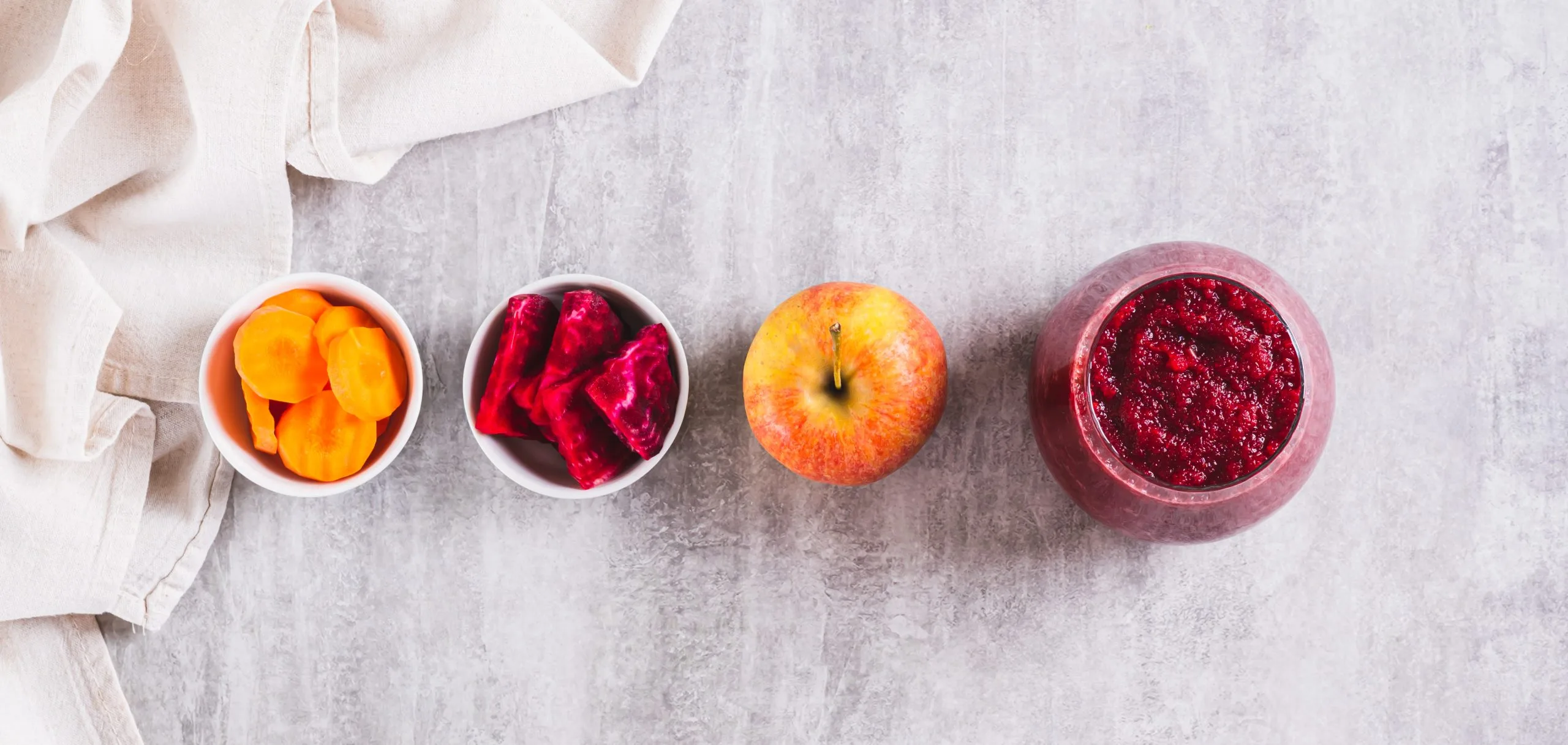
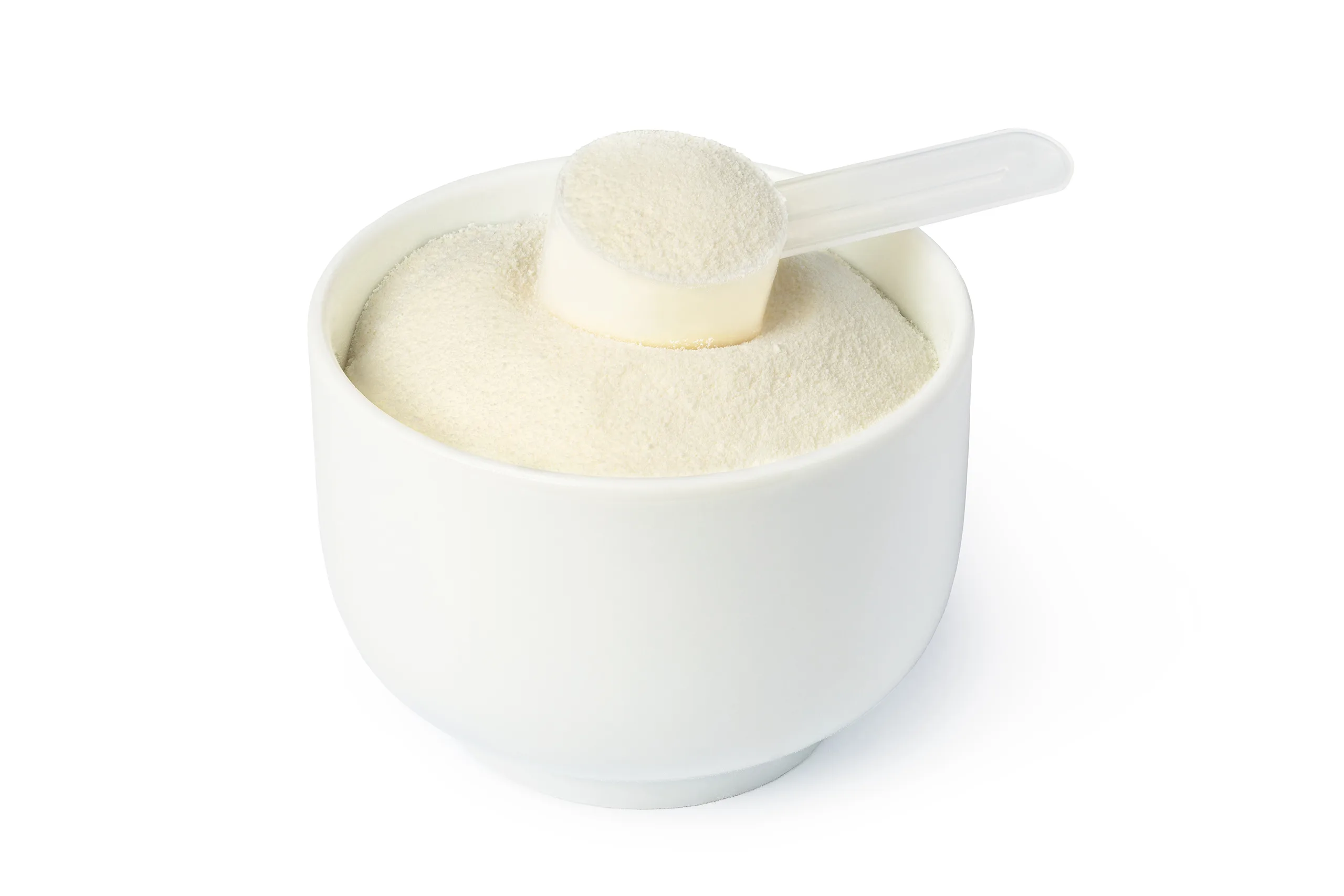
Make drinks your way, with endless possibilities! Frozen Xplosion Original Frappe & Smoothie Base mixes with just about anything: coffee, espresso and cold brew, fresh fruits and veggies, flavored syrups, alcohol and even donuts!

eCommerce Website Design by Wapiti Digital