
What Blending Powder Does in a Blended Drink
Blending powder for drinks adds body and creaminess to a blended drink. See when one neutral base replaces a flavor syrup plus a separate binder.
Share This Article


Knowing your true cost per cup on a frozen base takes two honest numbers: what a case costs today and how many drinks your own scoop yields from it. Divide the live case price by your measured drinks per case, then add espresso, fruit, or syrup at your prices. A case is twelve three pound bags, and the standard build is two ounces of base per twelve ounce drink. Measure your scoop and price to your market.
Most operators can quote their espresso cost to the penny but only guess at what a blended frozen drink actually costs to make. That gap is where margin quietly leaks. The good news is that costing a frozen base is simple arithmetic once you have two honest numbers in front of you.
The whole method rests on a neutral base like The Everybase, which blends with just water and ice and carries whatever flavor you add on top. Because one base powers frappes, smoothies, and frozen cocktails, you only have to cost a single core ingredient instead of a shelf full of pre-flavored powders. Here is how to turn that into a reliable cost per cup.
Your cost per cup comes down to two numbers you control: what a case costs today and how many drinks your own scoop pulls from that case. Everything else is an add-in you layer on afterward. Get those two right and the rest of the math takes seconds.
The first number moves over time, so always read it live rather than memorizing it. Pull the current case price from the shop the day you run your numbers. The second anchor never changes. A case is a fixed, known quantity of twelve bags with three pounds of base in each bag. That structure is dependable, which makes it the perfect starting point for working out yield.
You have to measure your own scoop because any printed drinks-per-case figure would be a guess dressed up as a fact. The standard build is two ounces of base for a twelve ounce drink and three ounces for a sixteen ounce drink, but how your team measures that base, by weight on a scale or by a scoop of a certain volume, decides how far a case really stretches. Two shops using the same recipe can land in different places simply because their scoops differ.
So spend five minutes at the blender. Portion your base the way your staff actually does it, weigh that portion, and write it down. Once you know the weight of one real serving, you can divide the total base in a case by that serving weight to get your own drinks-per-case number. That figure is yours, it reflects your workflow, and it will hold up when a slow month puts every dollar under a microscope.
The formula is one line: current case cost divided by your measured drinks per case equals your base cost per cup. From there you add the cost of anything else that goes in the cup. Work it in this order and you will not miss a component.
A single worksheet keeps every input in one place so you can recost in minutes whenever a price moves. Build the rows once, then reuse the sheet for every drink on your menu.
| Input | Where the number comes from |
|---|---|
| Case price | Live from the shop, never memorized |
| Base per case | Fixed at twelve bags, three pounds each |
| Serving weight | Weigh your own scoop at the blender |
| Drinks per case | Base per case divided by serving weight |
| Base cost per cup | Case price divided by drinks per case |
| Add-ins per cup | Espresso, fruit, syrup, and cream at your cost |
| Gross margin | Menu price minus total cost per cup |
Keep this worksheet where you build drinks. When the case price changes, you update one cell and every downstream number follows. That is the advantage of costing from a single base instead of a rotating set of pre-flavored mixes, each with its own price and yield to track.
Add-ins are where two drinks built on the same base end up costing very different amounts, so cost each signature build on its own. The base portion stays constant for a given size, but the espresso, fruit, or syrup you layer on top is what really swings the ticket. Use the canonical builds as your starting recipes and slot in your own ingredient costs.
Each of those add-ins has a cost you already know from your invoices. Drop them into the worksheet next to your base cost per cup and you get a true, drink-by-drink number instead of a blended average that hides your worst performers.
One neutral base tightens your costing because you track a single core ingredient instead of a dozen pre-flavored SKUs that each carry their own price, yield, and shelf life. The Original Frappe Base and Smoothie Mix blends creamy with only water and ice, so you are not also costing milk or specialty dairy into every cup.
The operational facts help the math too. The base is shelf stable and needs no refrigeration before use, so there is no cooler space or cold-chain loss to price in. It takes about two square feet of storage, and a finished drink comes together in roughly sixty seconds from bag to cup, which keeps labor per drink low. Frozen Xplosion also ships free on orders of one case or more, so freight does not quietly inflate your per-case cost.
Once your cost per cup is honest, pricing to a healthy margin becomes a decision rather than a guess. Set your menu price against your real cost, not a competitor’s sign out front, and you can see exactly how a fifty cent add-in or a size upcharge moves your gross margin per drink. Directionally, a low ingredient cost on the base leaves room to price for your market while staying competitive.
Distributors run the same math one level up. A predictable case structure and a single base make it easy to model landed cost and resale margin across many accounts, which is part of why Frozen Xplosion supports partners across coffee shops, restaurants, and bars. See who we serve for how the base fits each type of operation, and always confirm current case pricing on the shop before you quote.
Cost per cup is not a number you look up. It is a number you measure once and update whenever the case price moves.
The cost per cup in this method is ingredient cost. Track labor separately as a per-drink figure. Because a frozen base drink comes together in about sixty seconds from bag to cup, labor per drink tends to be small, but you should still add it before setting a final margin target.
Recalculate whenever your case price changes or you retune how you portion. Case pricing is not fixed over time, so read it live from the shop before each costing pass rather than reusing an old figure.
The base portion scales with size, two ounces for a twelve ounce drink and three ounces for a sixteen ounce drink, so a bigger drink uses more base and costs more per cup. The base cost per ounce itself does not change, only the amount per drink does.
Yes. The base portion and the case math stay the same across frappes, smoothies, and frozen cocktails. You only swap the add-ins, such as fruit concentrate for a smoothie or spirits for a frozen cocktail, and cost those separately.
The method is identical. A Vegan base case is also twelve bags at three pounds each and uses the same build ratios, so you follow the same steps. Only the live case price differs, so check the product page for current pricing.
One neutral-flavored base, unlimited drinks. Add your own ingredients and create a menu your competitors can’t copy.
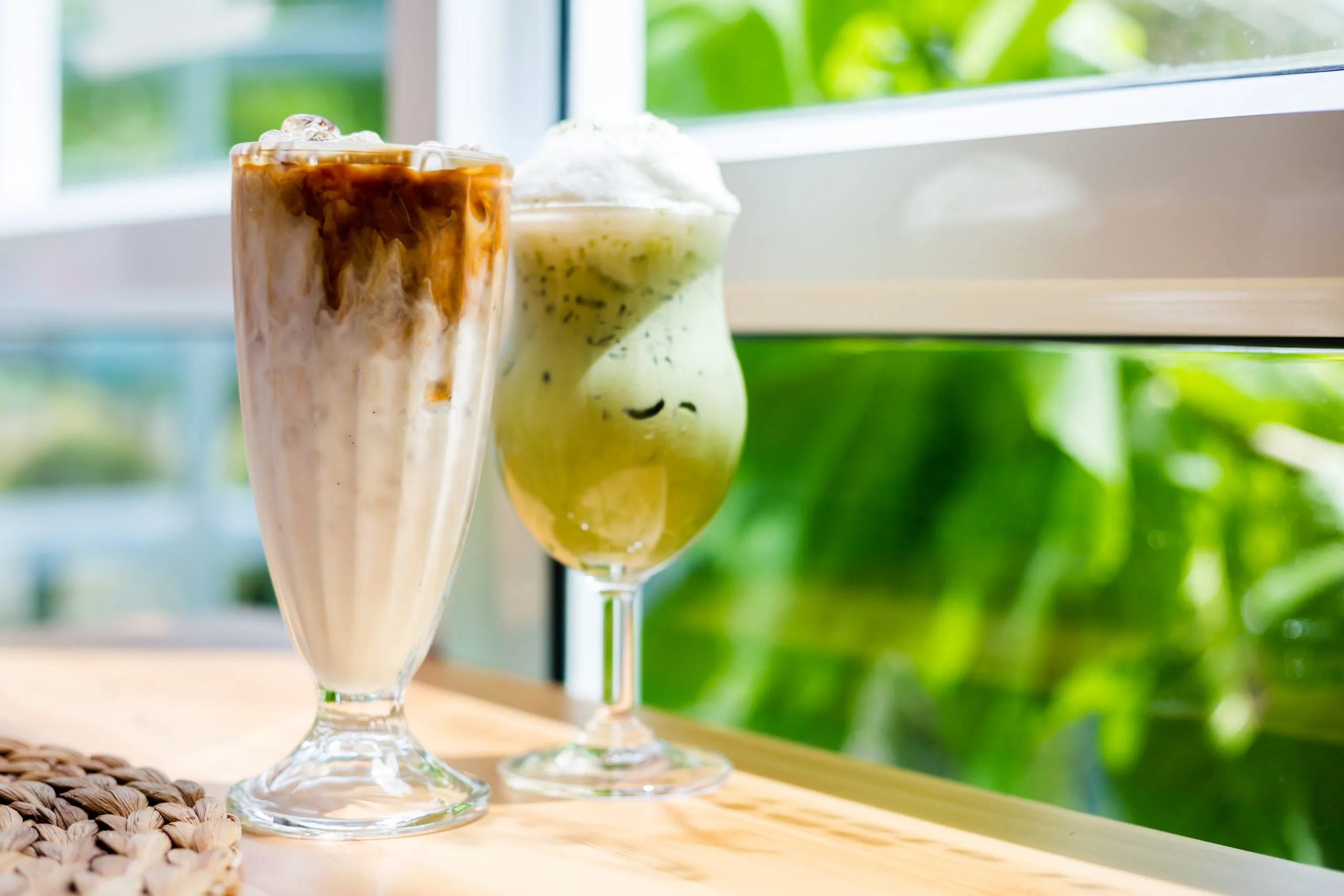
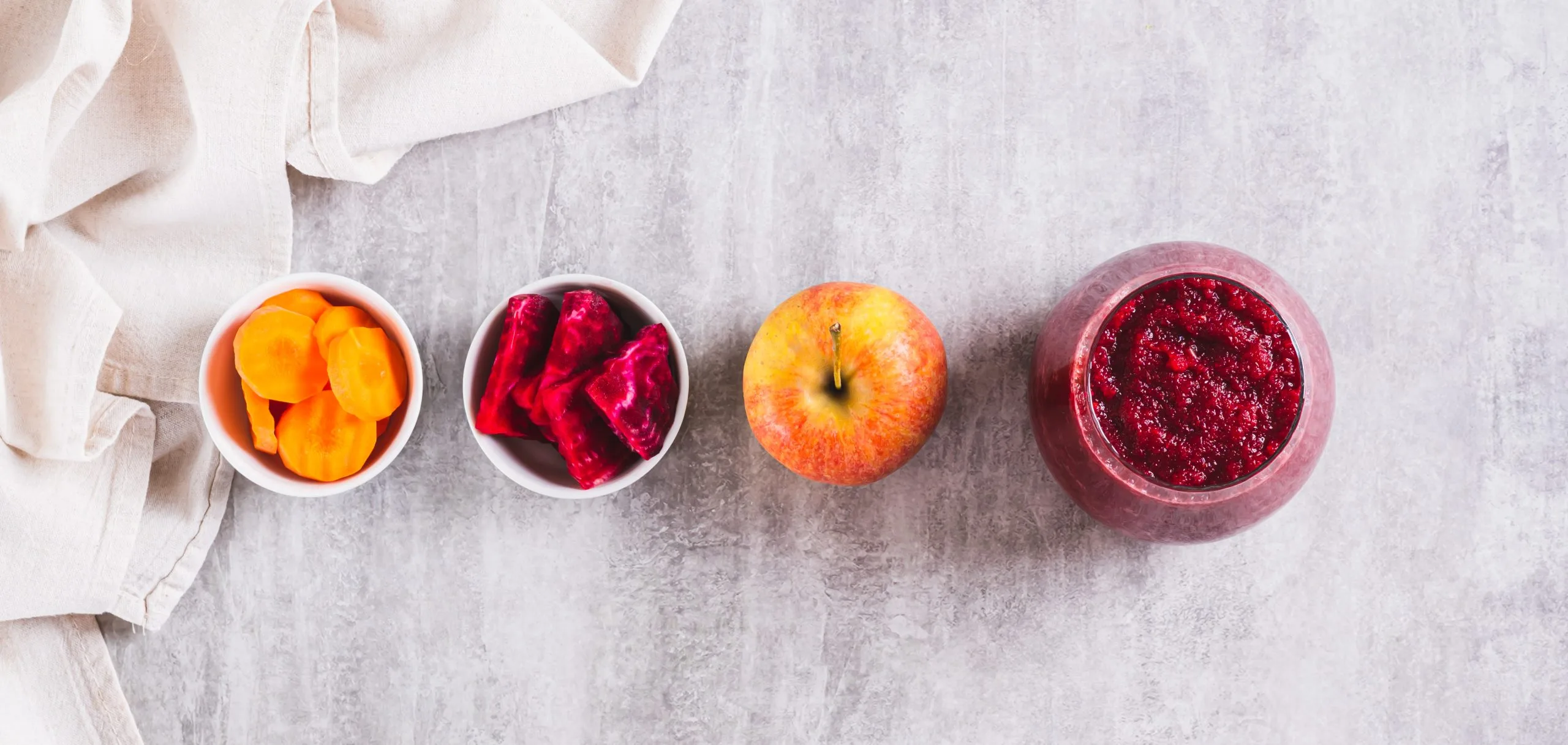
Make drinks your way, with endless possibilities! Frozen Xplosion Original Frappe & Smoothie Base mixes with just about anything: coffee, espresso and cold brew, fresh fruits and veggies, flavored syrups, alcohol and even donuts!

eCommerce Website Design by Wapiti Digital