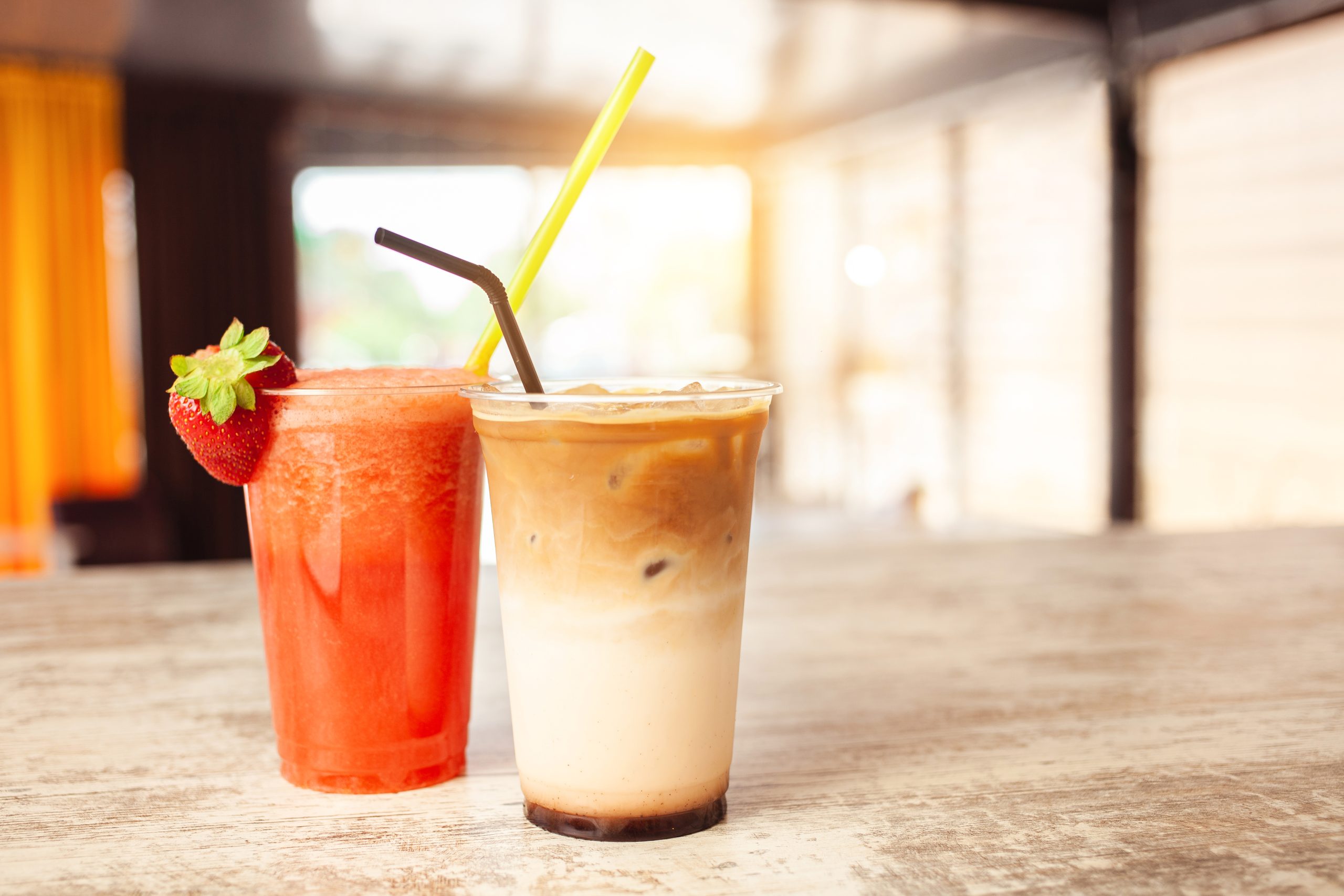
Frappe vs Smoothie, What Actually Makes Them Different
Frappe vs smoothie, the difference is coffee-forward versus fruit-forward. See how both drinks run off one neutral base on the same cafe menu.
Share This Article


Base inventory comes down to three numbers. How many drinks you sell, how many bags that consumes, and how long a reorder takes to arrive. One case holds twelve three pound bags, and the standard build is two ounces per twelve ounce drink. Work backward from your drink count to a weekly bag count, add lead time as a buffer, and the whole program stores in roughly two square feet.
Ordering product is the part of a beverage program that nobody writes a procedure for. Someone notices the shelf looks low, someone places an order, and the whole thing runs on the memory of whoever happens to be working that day. It functions until it does not, and the day it does not is always a Saturday.
Getting this right is not complicated, it is just unglamorous. You need to know what you sell, how fast that consumes product, and how long a replacement takes to arrive. Those three numbers give you a par level, and a par level turns ordering from a judgment call into a checkbox. Everything on the shop page ships in the same pack structure, so once you have the method it applies to whatever you carry.
Begin with your actual drink count, because every other number in this exercise is derived from it. Most operations skip straight to bags and end up ordering to a habit rather than to demand, which is how you get simultaneous overstock and stockouts in the same storeroom.
Pull the frozen and blended drink count from your POS for a normal week, and separate it by size if you can. Size matters here because the build scales with it. The standard is two ounces of base for a twelve ounce drink and three ounces for a sixteen ounce drink, so a shop skewed toward large sizes burns through product meaningfully faster than its drink count alone suggests.
If you do not have clean data, count for one week deliberately. A single honest week beats a year of estimates, and it gives you something to compare against when demand shifts later in the season.
A case contains twelve bags and each bag holds three pounds of product, and that structure is the same for both bases. Knowing the case makeup is what lets you talk about inventory in units your supplier and your storeroom both understand.
What a case does not come with is a reliable servings number, and you should be suspicious of anyone who hands you one. Yield per bag depends on your drink sizes, your portioning discipline, and how much gets lost to spillage and remakes on your particular line. The Original frappe base and smoothie mix gives you a consistent product, but your yield is a fact about your operation, not about the bag.
So measure it. Open a bag, mark the date, and note the date it runs out along with the drink count over that period. Do it twice and you have a yield figure that is true for your shop, which is worth more than any published estimate could be. That number is the hinge the entire par level swings on.
A par level is your normal weekly usage plus enough buffer to cover the reorder window and a bad surprise. Set it once, write it down, and the ordering decision stops requiring anyone’s judgment on a busy morning.
The last step is the one that makes the rest work. A par level living in a spreadsheet gets consulted quarterly. A par level marked on the shelf gets consulted every time someone reaches for a bag.
Your reorder point is set by transit time, so order size changes when you need to place the order. Orders of one to ten cases ship via FedEx or UPS and typically arrive in three to five business days, while orders of ten or more cases move by freight and typically take seven to ten business days.
That difference is not a detail. An operation that scales up to freight quantities has effectively doubled its reorder window, and a par level built around parcel delivery will leave it short exactly when it starts growing. Free shipping applies on orders of one case or more, so there is no penalty for ordering in case units rather than in single bags, which makes case-based planning the sensible default.
| Planning input | Where the number comes from | Why it matters |
|---|---|---|
| Drinks per week | Your POS mix report, split by cup size | The only real demand signal you have |
| Base per drink | Standard build, 2 oz per 12 oz and 3 oz per 16 oz | Converts a drink count into product consumed |
| Yield per bag | Measured on your own line over two bags | Published estimates cannot account for your portioning |
| Lead time | 3 to 5 business days for 1 to 10 cases, 7 to 10 for freight | Sets how much buffer the par level needs |
| Storage space | About two square feet for the program | Caps how much you can physically hold at once |
For questions about how an order will actually move, the FAQ page covers the mechanics. What matters for planning is simply that you know which tier you are ordering in before you set your trigger.
The base is shelf stable and needs no refrigeration before use, which means storage is a dry shelf question rather than a cold space question. That single fact is why a frozen drink program can be added to an operation that has no room left in the walk-in.
The whole program occupies roughly two square feet. Compare that to a pre-flavored approach, where every flavor on the menu is its own bag and half of them are partially used, and the storage argument makes itself. Fewer products also means less time spent digging through a shelf looking for the one you need mid-shift.
The strongest argument for a neutral base is not the drinks it makes, it is the forecasting it eliminates. Every additional product on a shelf is another demand curve someone has to predict, and predictions are where inventory goes wrong.
With a line of pre-flavored powders you are forecasting each flavor independently, which means you will be simultaneously over on some and out of others more or less permanently. With The Everybase you forecast one thing, and the flavor decision moves to the moment of service where it costs nothing to change. A slow flavor is no longer dead stock, it is just a syrup you stop reaching for.
Every extra product on the shelf is another forecast someone has to get right. One base is one forecast.
It is shelf stable and requires no refrigeration before use, which is what makes buffer stock practical in the first place. For the specific date on any given bag, read the bag rather than relying on a general rule, and rotate oldest to front so the question rarely comes up. An unopened bag stored dry and sealed is the easiest inventory you will ever hold.
Plan them as two, because they serve different menu items and will not move at the same rate. Trying to average them into a single number is how the slower one quietly accumulates while the faster one runs out. They share the same case structure of twelve three pound bags, so the method is identical, you simply run it twice with separate usage figures.
Protect the drinks that sell rather than thinning every build to stretch what is left. Watering down the ratio to make product last turns one problem into a week of inconsistent drinks and a customer perception issue that outlives the shortage. Pull the lowest volume items temporarily, keep the core builds correct, and treat the event as evidence that the buffer was set too tight.
Keeping the working bag at the station is sensible and saves steps. What is worth avoiding is storing your backup stock in the warmest, dampest spot in the building, which is often exactly where the equipment lives. Heat and humidity are what degrade a powder, so the reserve belongs somewhere dry and stable while the open bag stays within arm’s reach.
Set a summer par level and a winter par level rather than one figure you argue with twice a year. Frozen drink demand moves with weather and with local events, so a fixed number is wrong for most of the year by definition. Review the figure at the start of each season using the same measured week method, and adjust the shelf marker to match.
One neutral-flavored base, unlimited drinks. Add your own ingredients and create a menu your competitors can’t copy.
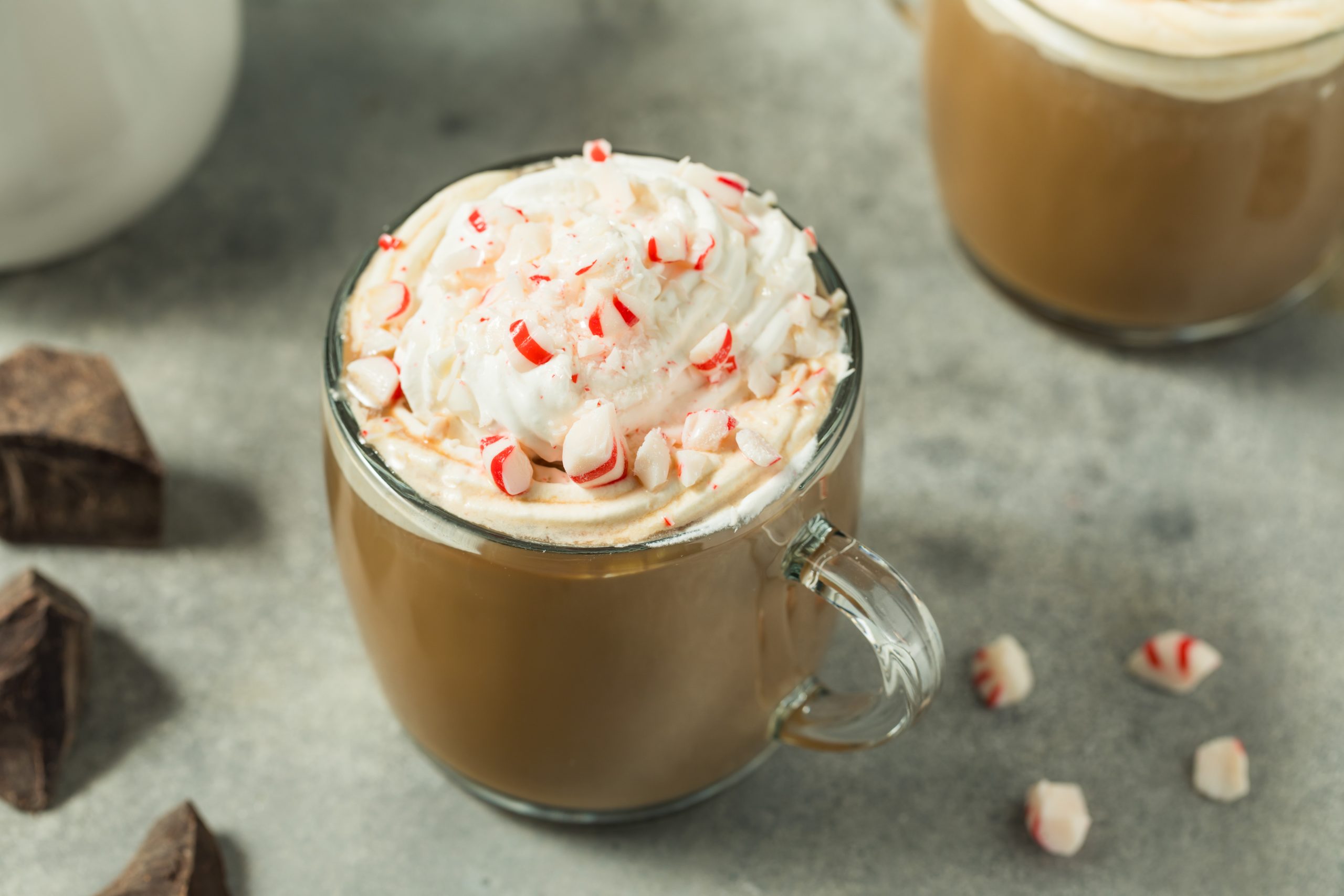
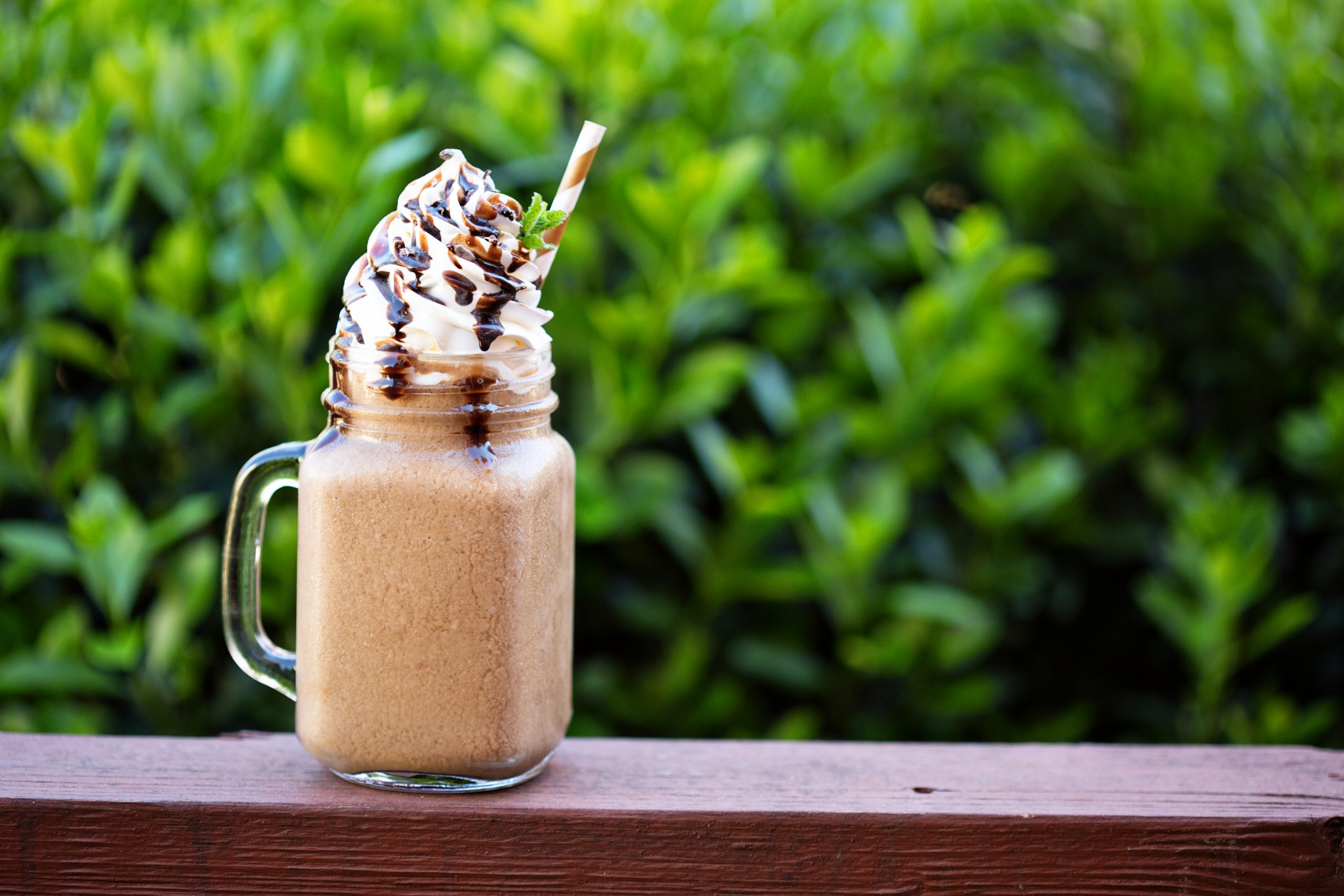
Make drinks your way, with endless possibilities! Frozen Xplosion Original Frappe & Smoothie Base mixes with just about anything: coffee, espresso and cold brew, fresh fruits and veggies, flavored syrups, alcohol and even donuts!

eCommerce Website Design by Wapiti Digital