
How Much Base to Keep On Hand and Where to Put It
Ordering product is the part of a beverage program that nobody writes a procedure for. Someone notices the shelf looks low, someone places an order,…
Share This Article

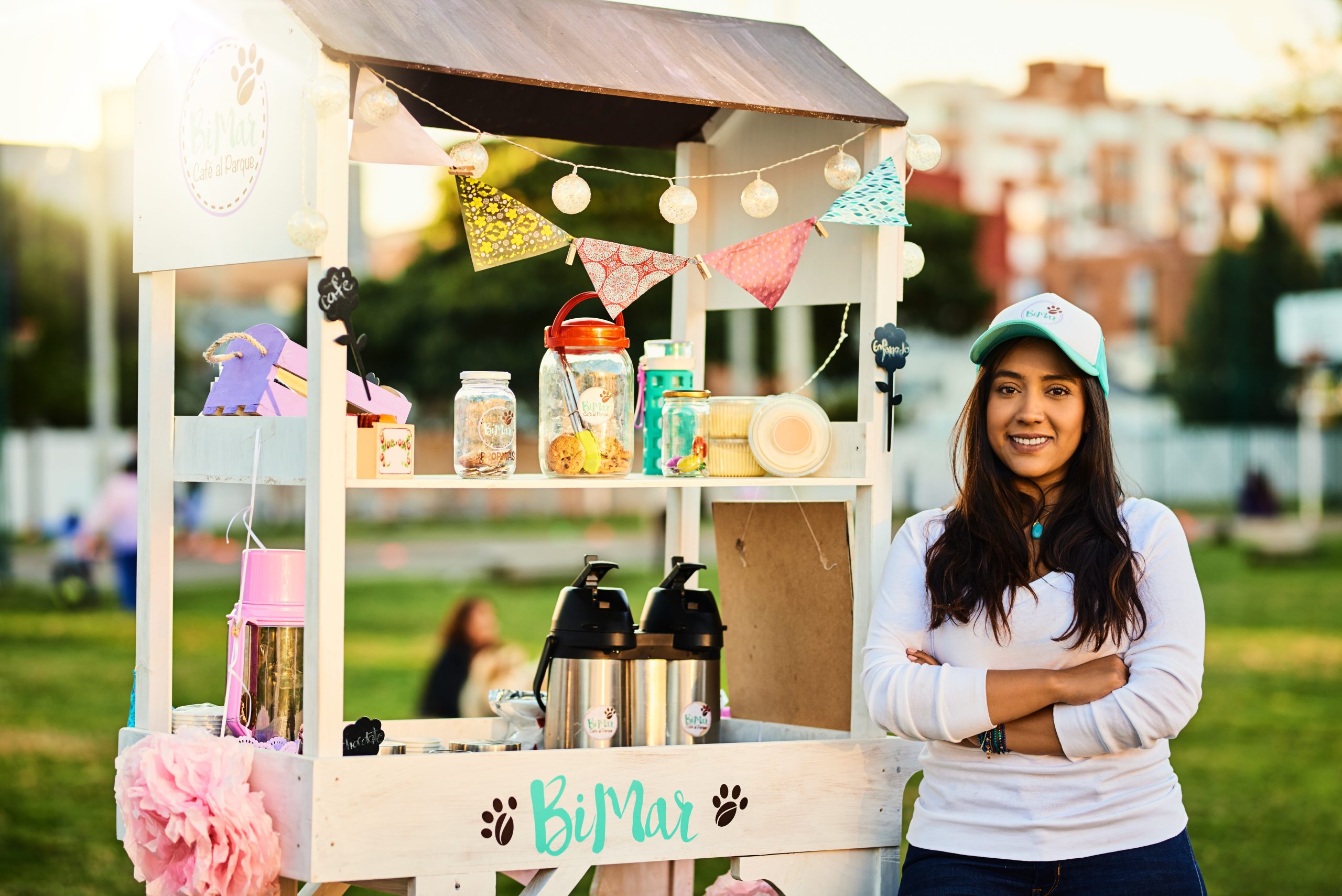
Off site frozen drink service works when the product does not need cold storage. A shelf stable base travels dry, blends with water and ice, and needs no refrigerated ingredient chain. Plan around three constraints. Power, water, and ice. Keep the menu short, pre measure the base into portions before you leave, and build every drink from the same standard ratio so quality holds away from the shop.
A festival stand, a wedding, a farmers market, a cart parked outside an office block. The drinks people want in those situations are almost always the cold ones, and frozen drinks in particular sell hardest exactly where they are hardest to make. No walk-in. No three compartment sink. Sometimes no power until someone finds the right extension cord.
The operators who do this well are not better at blending. They are better at logistics. Off site service is a planning exercise where the recipe is the easy part, and the constraints are known well in advance if you bother to ask about them. Mobile and event operators sit alongside the cafes and bars on the who we serve page for a reason, because the same product behaves very differently once it leaves a fixed kitchen.
Nearly every bad event day traces back to something nobody confirmed in advance, not to a drink that was built wrong. The recipe you run every day at the shop will run fine in a field. What will not run fine is a blender sharing a circuit with a coffee urn.
The failure modes are boringly consistent. Power that trips when two appliances run together. Ice that was ordered for the drink count but not for the melt. Water that turns out to be a hose behind a building. A queue that moves at the speed of one blender jar because nobody staged the line. None of these are beverage problems, and all of them ruin a beverage service.
The upside is that a checklist genuinely solves most of it. Confirm the constraints, design the menu around what is actually available, and the drinks take care of themselves.
Power, water, and ice determine what you can serve, and you should settle all three before you write a single menu item. Every off site decision downstream is a consequence of those three answers.
If any of those answers is uncertain, design as though the answer is no. It is far easier to bring water you did not need than to improvise a water supply in front of a queue.
A base that needs no refrigeration removes the single hardest part of mobile beverage service, which is keeping a cold ingredient cold in a place that was not built for it. This is the difference between a menu you can run anywhere and a menu that depends on the venue cooperating.
The Everybase is shelf stable, requires no refrigeration before use, and blends creamy with nothing but water and ice. In practice that means the product travels dry in a sealed container, survives a hot van, and does not occupy any of the cold space you need for milk alternatives, garnishes, or anything else that genuinely has to stay cold.
It also means a cancelled event is not a write-off. Product that did not get used goes back on the shelf rather than into the bin, which changes the risk calculation on saying yes to a booking with uncertain attendance.
Measure the base into single-drink portions at the shop, where you have scales, counter space, and no queue watching. Portioning is the first discipline to collapse under event pressure, and it is the one that most directly determines whether the drinks are any good.
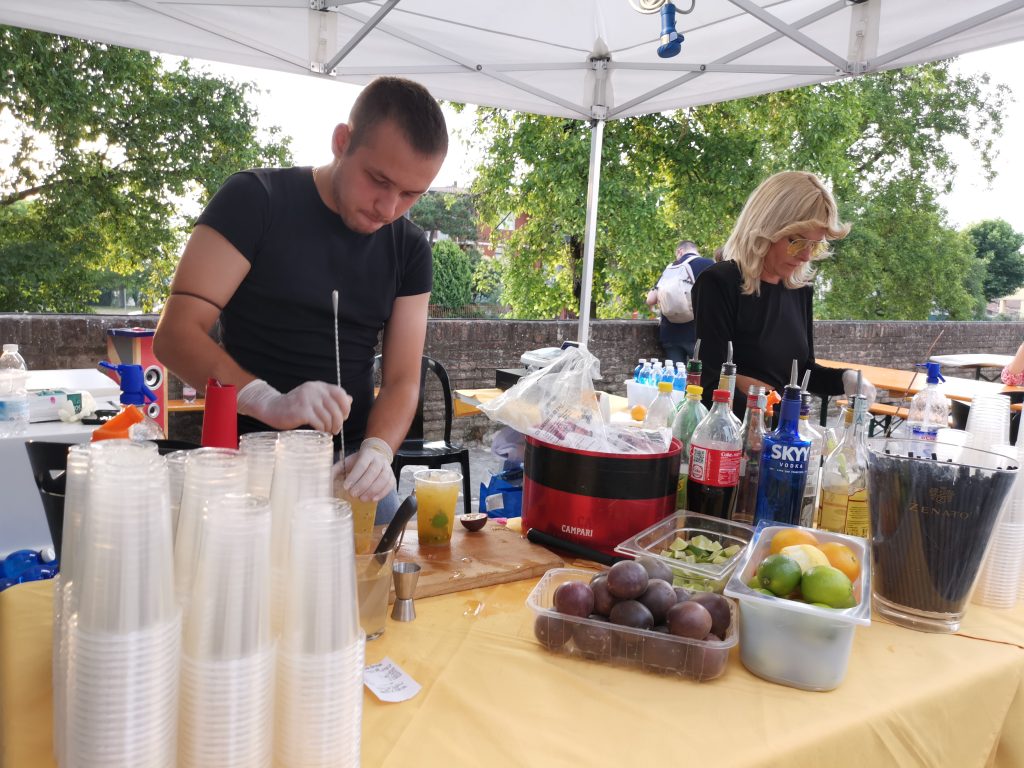
Pre-portioning also fixes throughput, which is the metric that actually decides whether an event was profitable. A pre-measured portion turns each drink into a pour, an ice scoop, and a blend, and that is a queue that moves.
Some drinks are effectively venue independent and some quietly require a functioning kitchen, so sort your menu by what it demands on site rather than by what sells best at the shop.
| Menu item | What it needs on site | Travels well |
|---|---|---|
| Blended coffee frappe | Cold brew or pre-pulled espresso, ice, a blender | Yes, if the coffee is brewed and chilled before you leave |
| Fruit smoothie | Concentrate or fruit, water, ice, a blender | Yes, and concentrate travels better than fresh fruit does |
| Granita or slushie | A granita machine and steady, uninterrupted power | Only where power is confirmed and reliable |
| Frozen cocktail | Spirits, ice, a blender, and the venue’s alcohol permissions | Yes, subject to licensing at that location |
| Dairy free soft serve | Soft serve equipment and continuous power | Rarely, this one is equipment dependent |
Keep the list short. Four items built from one base will outsell eight items that slow the queue, and a shorter menu means fewer things to forget in the van. The builds on the recipes page all work from the same ratios, so a compressed event menu is a subset of what your team already knows rather than a separate set of instructions.
Concentrates are the most space-efficient way to carry a varied menu, because a bottle replaces a cooler full of fruit that has to survive the journey in good condition. For mobile service that trade is close to unbeatable.
A 6-pack of fruit concentrates gives you several distinct drinks from one base without carrying several distinct products. The smoothie build is one and a half ounces of Real Fruit Concentrate per twelve ounce drink alongside the base, so a bottle goes a long way and the portioning stays as measurable as everything else on the cart.
It also lets you match the menu to the event on the morning of, rather than committing weeks out. A summer street festival and a corporate lunch want different drinks, and with a neutral base plus a few bottles you are making that call from the same inventory either way.
At an event, the recipe is never the problem. Power, water, and ice are the problem.
That depends entirely on what the venue can actually supply, and the question to ask is about the circuit rather than the outlet. Blenders draw hard in short bursts, and a circuit shared with other vendors’ equipment is the classic cause of a mid-service trip. If the organiser cannot tell you what else is on your circuit, plan for your own power. Bringing a generator you did not need is a much better day than discovering you needed one.
Bring your own, in sealed food grade containers, and bring more than the drinks alone require because rinsing consumes a surprising amount. Since the base blends with water and ice rather than needing a dairy component, water is genuinely the only liquid you must guarantee for the core builds. Local health requirements govern how water must be transported and stored for service, so confirm those with your authority rather than improvising.
More than the drink count suggests, because melt is the variable people forget. Work out the ice your expected drinks require from your own standard build, then add for melt based on the temperature, the shade you will have, and how long the ice sits before service. Ice is the single most commonly underestimated item in mobile beverage service and the one you cannot substitute your way around.
Almost certainly, and the requirements vary by jurisdiction and by event type, so this is a question for your local health authority and the event organiser rather than for a supplier. Temporary food service permits, handwashing provisions, and water and waste rules are all commonly involved. Sort this early, because it can dictate your setup and occasionally your menu.
For most events one base keeps the cart simple and the queue moving. Bring both when the audience makes it worth it, such as a wedding or a corporate booking where dietary requests are likely and you want to answer them confidently. If you do bring both, label the containers clearly and keep the claims straight, since Gluten Free and Kosher Certified apply to the Original base while vegan safe applies to the Vegan base.
One neutral-flavored base, unlimited drinks. Add your own ingredients and create a menu your competitors can’t copy.
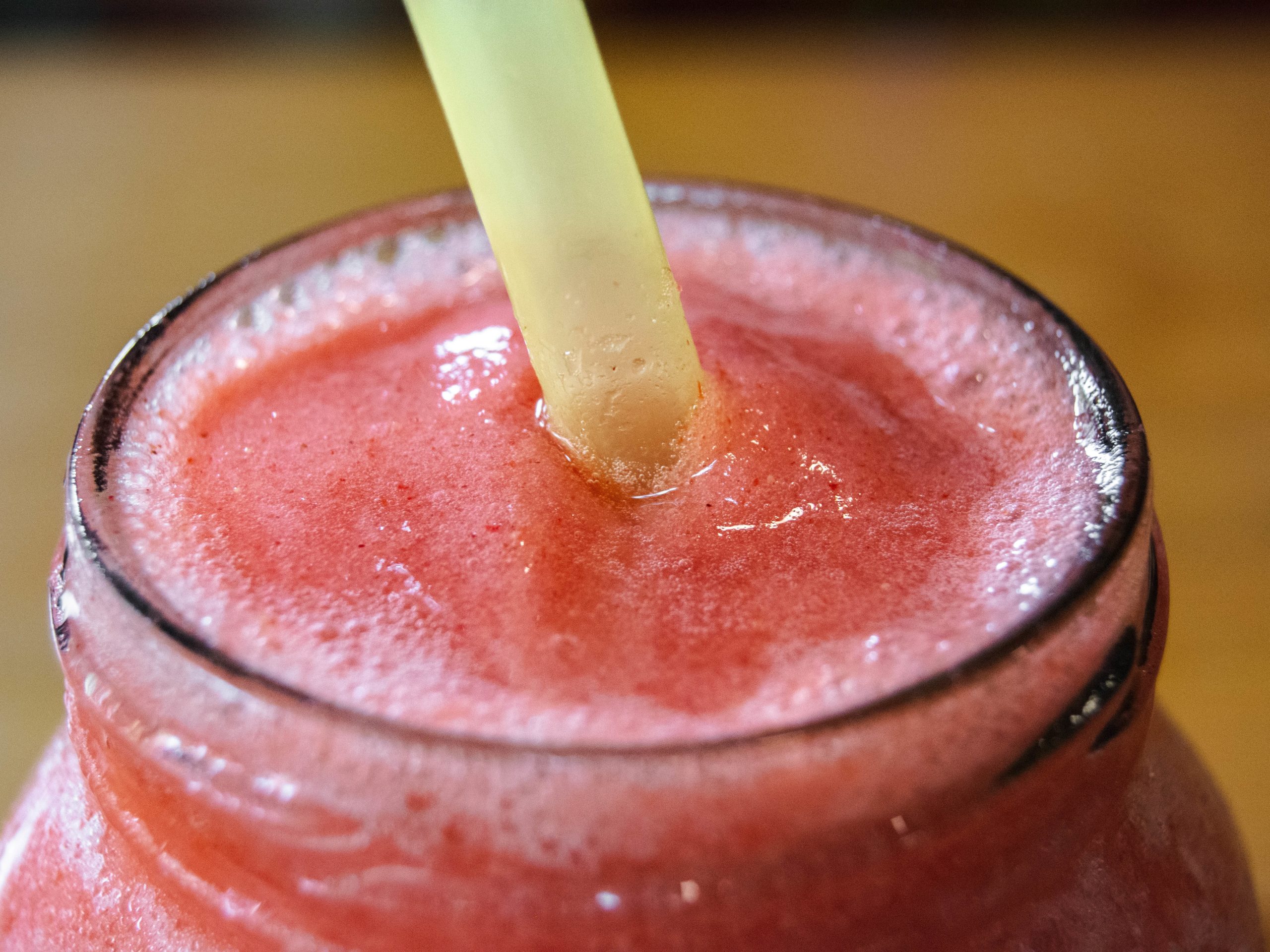
Make drinks your way, with endless possibilities! Frozen Xplosion Original Frappe & Smoothie Base mixes with just about anything: coffee, espresso and cold brew, fresh fruits and veggies, flavored syrups, alcohol and even donuts!

eCommerce Website Design by Wapiti Digital