
How to Vet a Frappe Base Supplier Before You Commit
Vetting a frappe base supplier? Ask about ingredients, certifications, samples, shipping, and returns before your first order. Use this checklist.
Share This Article


Choosing between a liquid frappe base and a powder comes down to four things: storage and refrigeration, shipping weight, how your team measures drinks, and how many drink types you run. Frozen Xplosion's shelf-stable powder needs no refrigeration before use and works with any blender, granita machines, and dairy-free soft serve. Many liquid bases need cold storage once opened, so check the label. Compare both formats per finished drink, not per case.
Powder or liquid is one of the first calls a shop makes when it sets up a frozen drink program, and it shapes more of the daily routine than the label suggests. The format decides where the base lives, how heavy each delivery is, how baristas measure a drink, and what happens to a container once it is open.
This guide covers format only. If you are still sorting out what the terms mean, start with our explainer on frappe base vs frappe powder. Here we walk through the decision one factor at a time, so you can match a powder or liquid frappe base to the way your shop actually runs.
Neither format wins everywhere. The right choice depends on four things: how much storage and refrigeration you have, how deliveries reach you, how your team measures drinks, and how many drink types you want from one product.
Each shop weighs those four differently. A drive-thru with a small back room feels storage limits first. A cafe with a long seasonal menu cares most about range. A shop with frequent staff changes needs measuring that a new hire gets right on day one. Start with the factor that hurts most today and work outward.
A shelf-stable powder needs no refrigeration before use, while many liquid bases need cold storage once they are opened, so check the label before you count on shelf space alone.
Frozen Xplosion’s Original Frappe Base and Smoothie Mix and its Vegan counterpart are both shelf stable, with no refrigeration needed before use. The program fits in about two square feet of storage, so the bags can sit on a dry shelf next to your cups and lids instead of competing for room in the cooler.
Liquid bases vary by product. Many need refrigeration once opened, and the label or the supplier sets the rule. If yours needs the cooler, plan for the space it takes from milk, fruit, cream, and everything else that has to stay cold. In a small shop, cooler space is often the tightest resource behind the counter, and a format that adds to it carries a cost even when the case price looks fine.
Shipping weight follows the format: a powder base arrives as dry product and you add the water and ice at the blender, while a liquid base carries its liquid in the container from the start.
A case of Frozen Xplosion base holds 12 bags of 3 lbs each, with a total case weight of 38 lbs. Every bag is the same size, which keeps receiving, putting away, and counting stock simple. Staff can count bags on a shelf at a glance instead of judging how full a bottle is.
For a liquid base, look past the number of containers in a case. Ask the supplier how many finished drinks one case makes at your cup sizes, then compare that yield with the case weight and case pricing. Comparing per finished drink, rather than per case, is the only fair way to line up two formats, because case sizes and yields differ.
The table puts the five decision factors side by side. The liquid column stays general on purpose, because liquid bases differ by product and the label is the final word.
| Factor | Frozen Xplosion powder base | Liquid frappe base (check the label) |
|---|---|---|
| Storage before use | Shelf stable, no refrigeration before use | Varies by product |
| Storage after opening | Follow the storage directions on the bag | Many need refrigeration once opened |
| Space needed | About two square feet | Shelf or cooler space, depending on the label |
| Case pack | 12 bags of 3 lbs, 38 lb case weight | Varies; ask for drinks per case |
| Dosing | 2 oz per 12 oz drink, 3 oz per 16 oz drink | Usually by pump strokes; ask the supplier |
| What it blends with | Just water and ice for a creamy drink | Varies; check the directions |
| Equipment and uses | Any blender, granita machines, dairy-free soft serve | Confirm listed applications with the supplier |
Powder is dosed by a set amount for each cup size, while liquid is usually dosed by pump strokes, and both stay consistent only when the recipe card states the amount for every size you sell.
The Frozen Xplosion build is 2 oz of base per 12 oz drink and 3 oz per 16 oz drink. Because the base blends creamy with just water and ice, there is no milk to portion unless your own recipe calls for it. That leaves the barista with one measured ingredient for the body of the drink, plus whatever flavor the recipe adds.

Pumps are quick at the counter because each stroke dispenses a set amount. They also need priming, cleaning, and the occasional check, and a short stroke during a rush changes the dose without anyone noticing. If you go liquid, ask the supplier how many strokes make each cup size and how to check that the pump still delivers what it should.
A neutral powder base can cover more drink types from a single product, because the same bag goes into a blender, a granita machine, or a dairy-free soft serve program.
Frozen Xplosion’s frappe and smoothie bases work with any blender, with granita machines, and for dairy-free soft serve. Since the base is neutral, the flavor comes from what you add, whether that is espresso, a syrup, or fruit. That is the idea behind The Everybase: one base on the shelf, and the menu built on top of it.
For a liquid base, check which applications the supplier lists before you plan a menu around it. Not every liquid base is designed for granita machines or soft serve, and a product made for one drink style may not suit the rest of your lineup. If the answer is unclear, ask for the supplier’s directions for each use you have in mind.
The fewer products it takes to run your menu, the fewer things there are to store, order, and train on.
Most format-related waste comes from opened containers, so the deciding question is how each product must be stored after opening and how long it lasts once it is.
Many liquid bases need refrigeration once opened and carry a use-by window after opening, so check the label. When sales slow, a partly used container can reach that date before it is finished. Pumps also hold product in the line and the neck of the bottle, which matters when you change containers or clean the station.
Frozen Xplosion’s bases are shelf stable with no refrigeration before use. After opening, close the bag tightly and follow the storage directions on the label. Because each drink takes a measured amount, you open a new bag only when the last one is empty.
The cleanest test is a short side-by-side run on your own menu, using the same cups, the same blender, and the same staff, so the format is the only thing that changes.
If you want help planning the trial or matching a base to your equipment, contact our team and tell us your cup sizes, blenders, and the drinks you sell most.
Yes, nothing stops it, but every extra base adds a product to order, store, and train on. If you keep both, give each one a clear job on the recipe cards so staff never have to guess which one a drink uses.
Ask whether it needs refrigeration before and after opening, how long it lasts once opened, how many drinks a case makes at your cup sizes, how many pump strokes make each size, and which uses the supplier stands behind.
Update the recipe cards first, then run a short practice shift where each barista builds your top drinks with the new format before it goes live. Pull the old product from the station on the switch day so the two never get mixed up.
Yes. Frozen Xplosion sells smaller sample bags of both the Original and Vegan bases, so you can test drinks on your own equipment first. Check the shop for current pack options.
Not necessarily. Work out the new cost for each drink from case pricing and yield, add your other ingredients and cup, and only adjust menu prices if your margin moves outside the range you plan for.
One neutral-flavored base, unlimited drinks. Add your own ingredients and create a menu your competitors can’t copy.
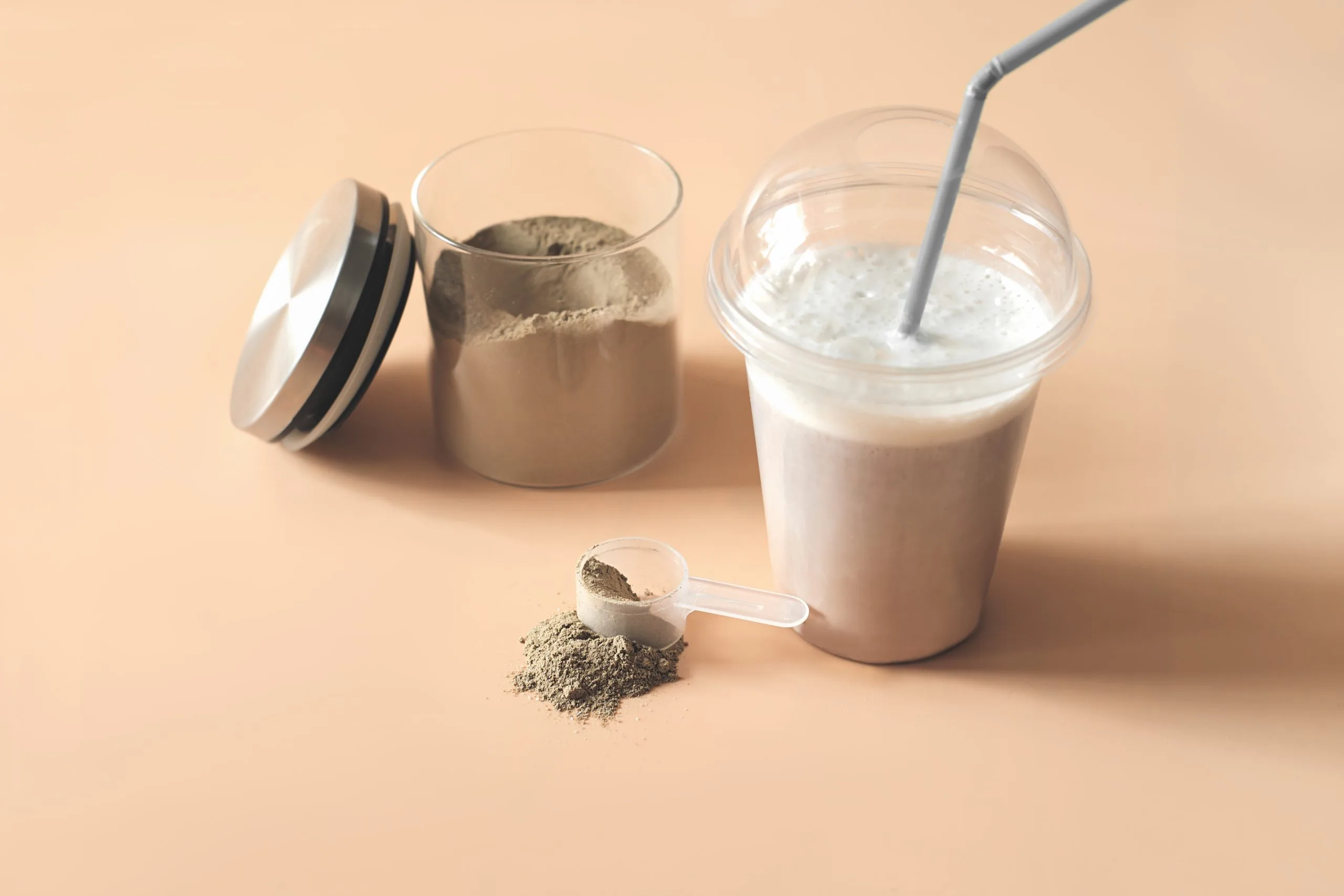
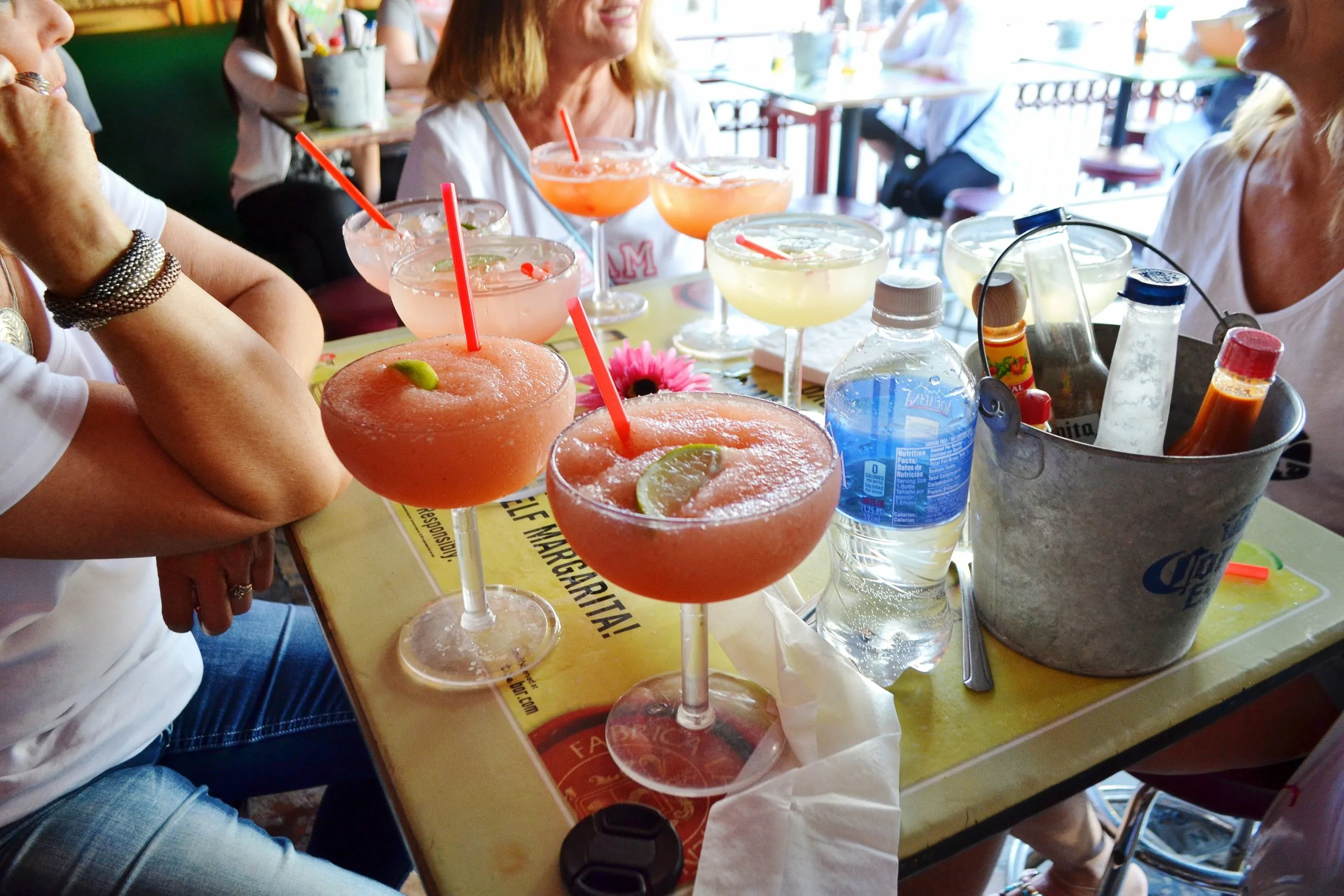
Make drinks your way, with endless possibilities! Frozen Xplosion Original Frappe & Smoothie Base mixes with just about anything: coffee, espresso and cold brew, fresh fruits and veggies, flavored syrups, alcohol and even donuts!

eCommerce Website Design by Wapiti Digital