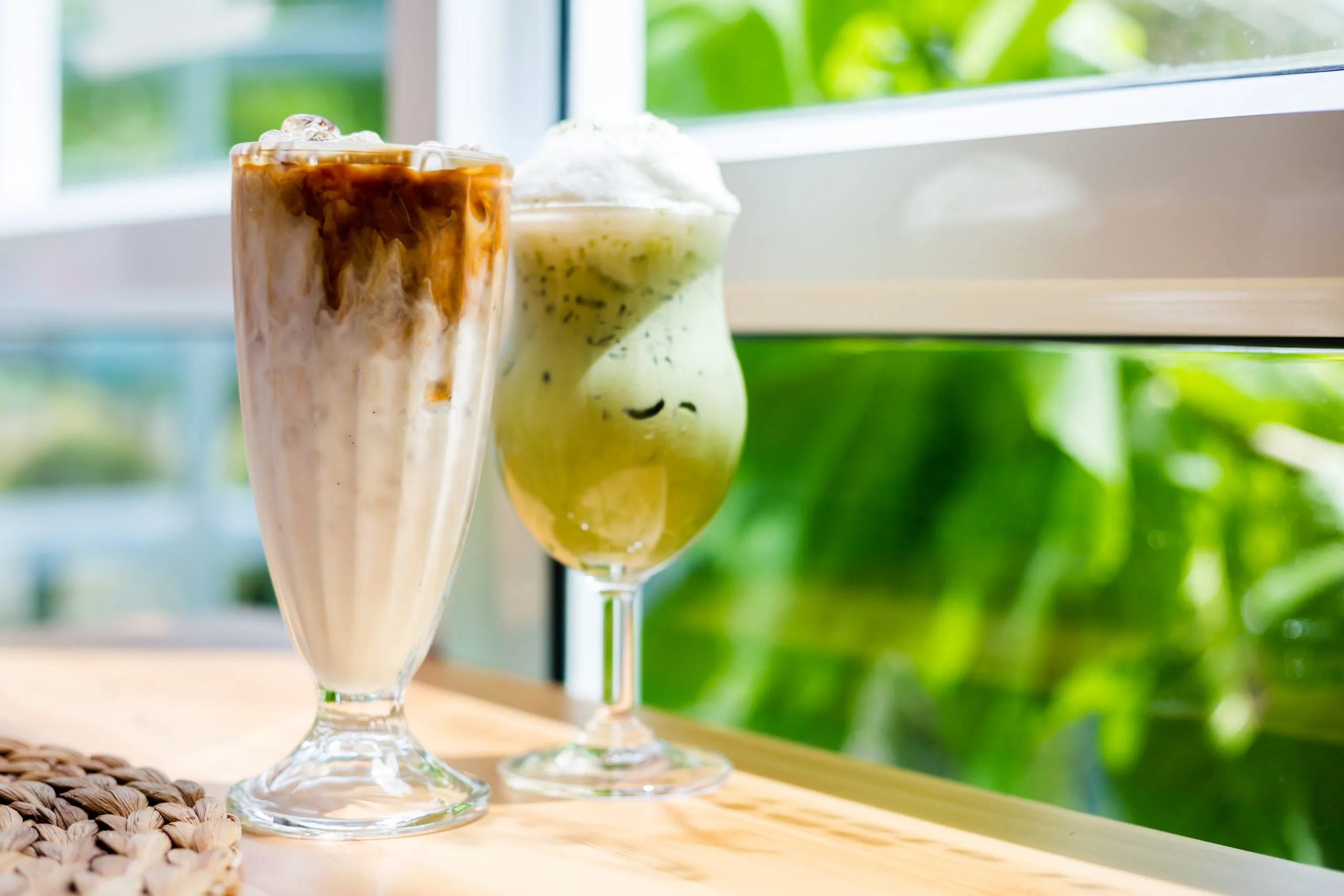
Launching Frozen Drinks at a New Coffee Shop
Launch new coffee shop frozen drinks in 30 days. Trial a sample bag, size your first case order, and train baristas on standard builds.
Share This Article


The best fruit base for a smoothie shop balances flavor consistency, prep speed, and menu flexibility. Neutral shelf-stable systems like Frozen Xplosion let fruit flavors stay bright across every drink on the menu, while cold-chain purees and whole-fruit programs suit shops with tighter menus and storage capacity. The strongest choice is the one staff can repeat accurately at full rush speed, not just the one that tastes best in a quiet tasting.
A fruit base decides more than flavor. It shapes smoothie texture, prep speed, storage demands, and whether a shop can deliver the same drink at 7 a.m. and 3 p.m. The main problem it solves is inconsistency: fresh fruit, puree, and syrup-only programs often swing in sweetness, thickness, and labor from one batch to the next. For smoothie shops, the best fruit base helps protect margins while keeping drinks bright, repeatable, and fast to blend.
A fruit base is the controlled flavor-and-texture component in a smoothie. In systems from Frozen Xplosion or standard café SOPs, it may be a concentrate paired with a neutral base, or a puree that supplies fruit character, sweetness, and body.
A smoothie shop uses fruit base to standardize what whole fruit cannot always standardize on its own. Strawberries can taste sweet one week and tart the next. Mango can shift in body and color by season. A fruit base reduces that variation by giving staff a measured starting point.
This matters because flavor, sweetness, acidity, and thickness are connected. If the fruit element changes, then ice level, water, and sweetener often need to change too. A stable base helps the rest of the recipe stay stable. In practical terms, that means fewer remakes, easier training, and cleaner menu execution across multiple shifts.
Yes. A fruit base speeds production and reduces guesswork, especially during rush periods. Shops using measured systems like Frozen Xplosion or pump-based bar setups can usually train staff faster than whole-fruit-only programs.
The operational value is simple. Measured bases reduce knife work, weighing, and mid-shift adjustments. When staff can pour a set amount and blend, ticket times tighten and drinks look the same across employees.
A common misconception is that fruit base is mainly about sweetness. It is also about texture control. If a base includes stabilizing ingredients, then the smoothie is less likely to separate or turn icy before the guest reaches the table or drive-thru window.
For many operators, the bigger win is inventory discipline. If a menu uses one neutral base plus several fruit flavors, then the shop can rotate specials without carrying a different base for every category. That cuts SKU count, storage pressure, and often waste.
The best fruit base depends on menu breadth, storage limits, and desired flavor clarity. Frozen Xplosion, puree systems, and whole-fruit programs can all work, but the strongest option is usually the one that balances consistency, speed, and menu flexibility.
A shop that sells smoothies, frappes, refreshers, and frozen cocktails needs a different setup than a juice bar with a strict whole-fruit identity. The strongest systems are not always the most complex. They are the easiest to repeat at scale.
The right process starts with menu needs, not flavor trends. A café in Seattle and a beach bar in Miami may both sell mango smoothies, but their speed, storage, and guest expectations can differ sharply.
Step 1 is to map the menu. If the shop sells only smoothies, then a fruit-forward puree or concentrate program may be enough. If it also sells coffee drinks, kids drinks, and frozen cocktails, then a neutral base usually creates more flexibility.
Step 2 is to audit operations. A shop should check cooler space, dry storage, expected rush volume, and training needs. If labor is tight and new staff rotate often, then measured concentrate-plus-base systems are usually easier to maintain.
Step 3 is to test for flavor clarity and cost. The best tasting sample is not always the best business choice. If a premium puree raises food cost but only improves flavor slightly, then the margin trade-off may not hold. Pro tip: test each candidate at full service speed, not only in a quiet tasting.
Fruit concentrates win on speed and storage, purees often win on body, and whole fruit wins on fresh-prep perception. Operators comparing Frozen Xplosion-style concentrates with puree or whole-fruit programs should focus on labor, waste, and flavor consistency.
Concentrates are efficient. They take less space, portion cleanly, and can keep drinks consistent from open to close. They are especially useful in shops where labor cost and rush-time speed matter as much as ingredient romance.
Purees can add a fuller mouthfeel and a more natural pulpy profile. The trade-off is cold-chain dependence and, in many cases, shorter open-life management. Whole fruit can be compelling for branding, but it adds prep time, trim loss, and seasonal variability.
A frequent mistake is assuming whole fruit is always cheaper. It often is not once labor, spoilage, and yield loss are counted. If a shop throws away overripe fruit weekly, then the apparent raw ingredient savings can disappear fast.
Often, yes. Neutral bases from systems like Frozen Xplosion usually let strawberry or mango taste more distinct than vanilla-forward flavored bases from dessert drink programs.
Neutral means the fruit does not have to fight the base. That matters with bright profiles like lemonade, wildberry, or piña colada. If the base already tastes like vanilla or cream, then delicate fruit notes can flatten out.
The trade-off is style. A flavored base can be helpful when the menu leans toward milkshake-like smoothies or indulgent café drinks. A neutral base is usually stronger when the goal is menu range. If the operator wants one platform for fruit smoothies, frappes, and even bar drinks, then neutral is typically the smarter choice.
Pro tip: acidic fruits and dairy-heavy bases are not always friends. Orange and pineapple can perform better in neutral or plant-based systems where curdling and flavor clash are less likely.
Repeatability comes from measured ratios, not intuition. A standard build used in Frozen Xplosion recipes for an 8-ounce smoothie is 1 ounce fruit concentrate, 3 ounces water, 1.5 ounces base, and a full cup of ice.
Step 1 is to lock the formula. Staff should use jiggers, marked cups, or calibrated pumps instead of free-pouring. If one employee uses 1 ounce of concentrate and another uses 2, then the shop is no longer selling the same drink.
Step 2 is to blend for texture, not just time. A smoothie should look glossy and pourable, not foamy or chunky. If it is too thin, then the first fix is not always more ice. More ice can mute flavor and create a hard, icy finish.
Step 3 is to scale carefully. Once the 8-ounce build is dialed in, larger sizes should be scaled proportionally and tested again. Common misconception: doubling every ingredient always solves scaling. Blender vortex, cup size, and hold time can still change texture.
Strawberry and mango are the safest year-round sellers. Wildberry and lemonade also perform well because they bridge smoothie shops, coffee drive-thrus, and seasonal specials.
The strongest year-round fruit bases usually fit three menu jobs at once: a core smoothie, a premium add-on, and a limited-time variation. Strawberry works with banana, yogurt-style profiles, lemonade, and tropical blends. Mango crosses into smoothies, refreshers, and cocktail menus with minimal reformulation.
Blue raspberry, orange cream, and piña colada can be strong depending on concept. They tend to perform best when the brand already has a fun, colorful, or vacation-style menu identity. Shops with a more wellness-driven positioning often keep those as seasonal or specialty options.
A useful rule is to keep two anchor flavors and rotate one or two supporting flavors. If the menu has stable anchors, then seasonal experiments are less risky and easier to promote.
Good handling protects flavor, food safety, and yield. Shelf-stable base systems reduce cooler dependence, but every fruit concentrate and companion ingredient should still follow its label and first-in, first-out rotation.
Step 1 is to separate storage rules by product type. Neutral dry or shelf-stable bases may live in dry storage, while opened fruit products may require tighter temperature control depending on the formulation. Clear labeling matters more than staff memory.
Step 2 is to portion from a clean station. Dedicated pumps, rinse sinks, and daily blender sanitation prevent flavor carryover. If mango residue stays in the jar, then the next strawberry drink will taste muddy.
Step 3 is to track open dates and yields. A common oversight is using partial bottles too slowly. If a product opens today, then the staff should know when it must be used or discarded. That keeps taste sharp and reduces silent waste.
Most weak smoothies fail because of ratio errors, not ingredient quality. Even strong flavors like strawberry or blue raspberry can taste dull if water, ice, and base are not balanced.
Several issues show up repeatedly in smoothie shops:
Another common misconception is that more fruit flavor always improves guest satisfaction. In many builds, brightness matters more than intensity. If sweetness climbs faster than acidity, then the drink starts tasting flat. A shop gets better results when it tunes the full system: fruit base, neutral base, water, ice, and blend time.
Yes. Most operators introduce a neutral base system alongside existing recipes rather than replacing them all at once. Start with two or three core drinks, dial in the ratios, and expand from there. A shelf-stable neutral base is especially easy to phase in because it does not require changes to cold storage or equipment.
Most successful smoothie menus run well on two anchor flavors plus one or two rotating specials. More flavors than that can create inventory pressure without meaningfully expanding guest appeal. A tight, well-executed selection usually outsells a long menu that is harder to train and stock consistently.
It depends on the base. Neutral plant-based systems like Frozen Xplosion’s Vegan Base blend with water and ice with no dairy involvement, making them a practical fit for vegan smoothies, dairy-free refreshers, and allergen-conscious menus without requiring a separate product line.
Consistency between batches, clear label information, responsive support, and realistic minimum order quantities for your volume. A supplier worth working with should also be able to provide recipe guidance, not just sell product.
Often yes, and this is one of the stronger arguments for a neutral base platform. When the base itself has no dominant flavor, the same system can support smoothies, blended frappes, shaken refreshers, and seasonal specials without reformulating from scratch for each category.
One neutral-flavored base, unlimited drinks. Add your own ingredients and create a menu your competitors can’t copy.
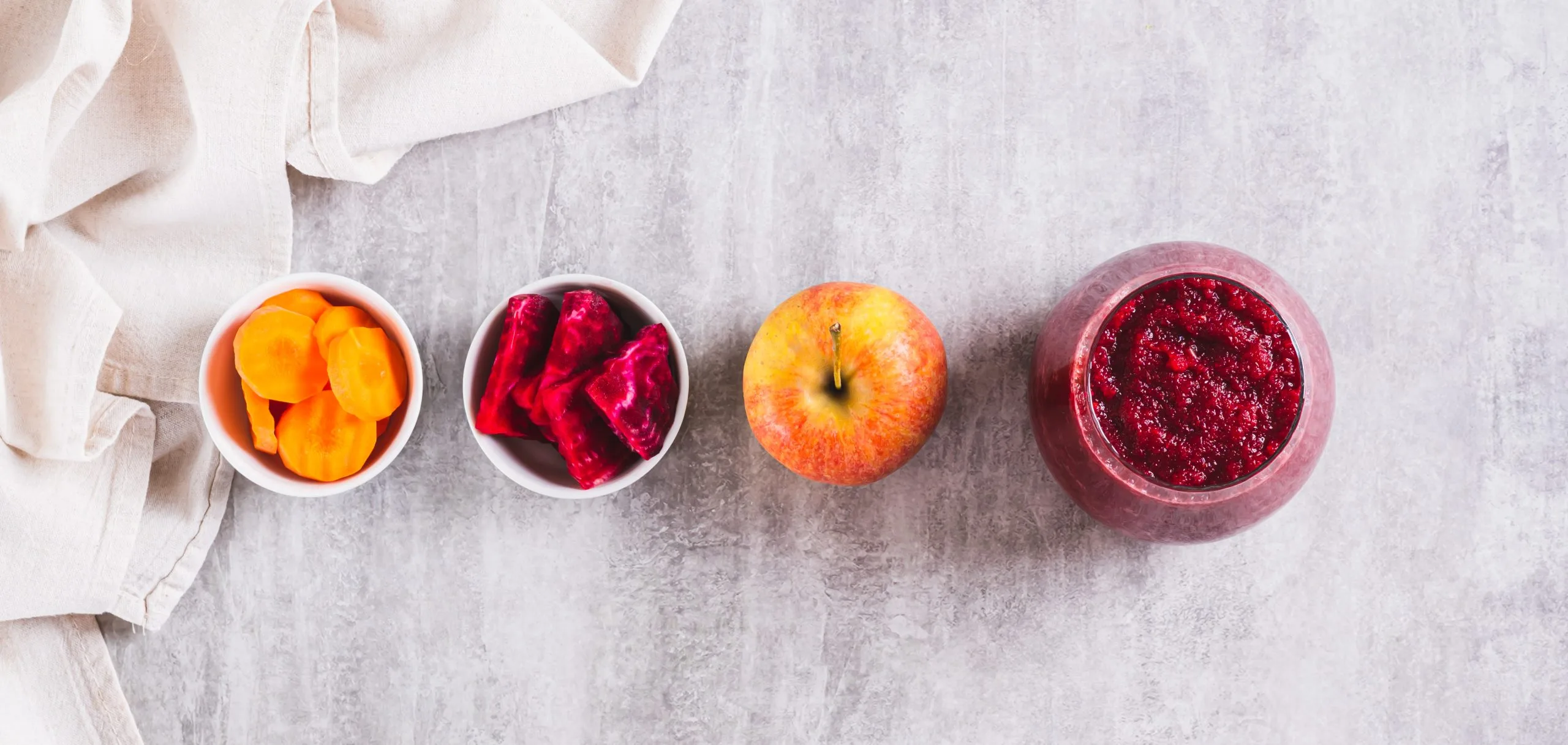
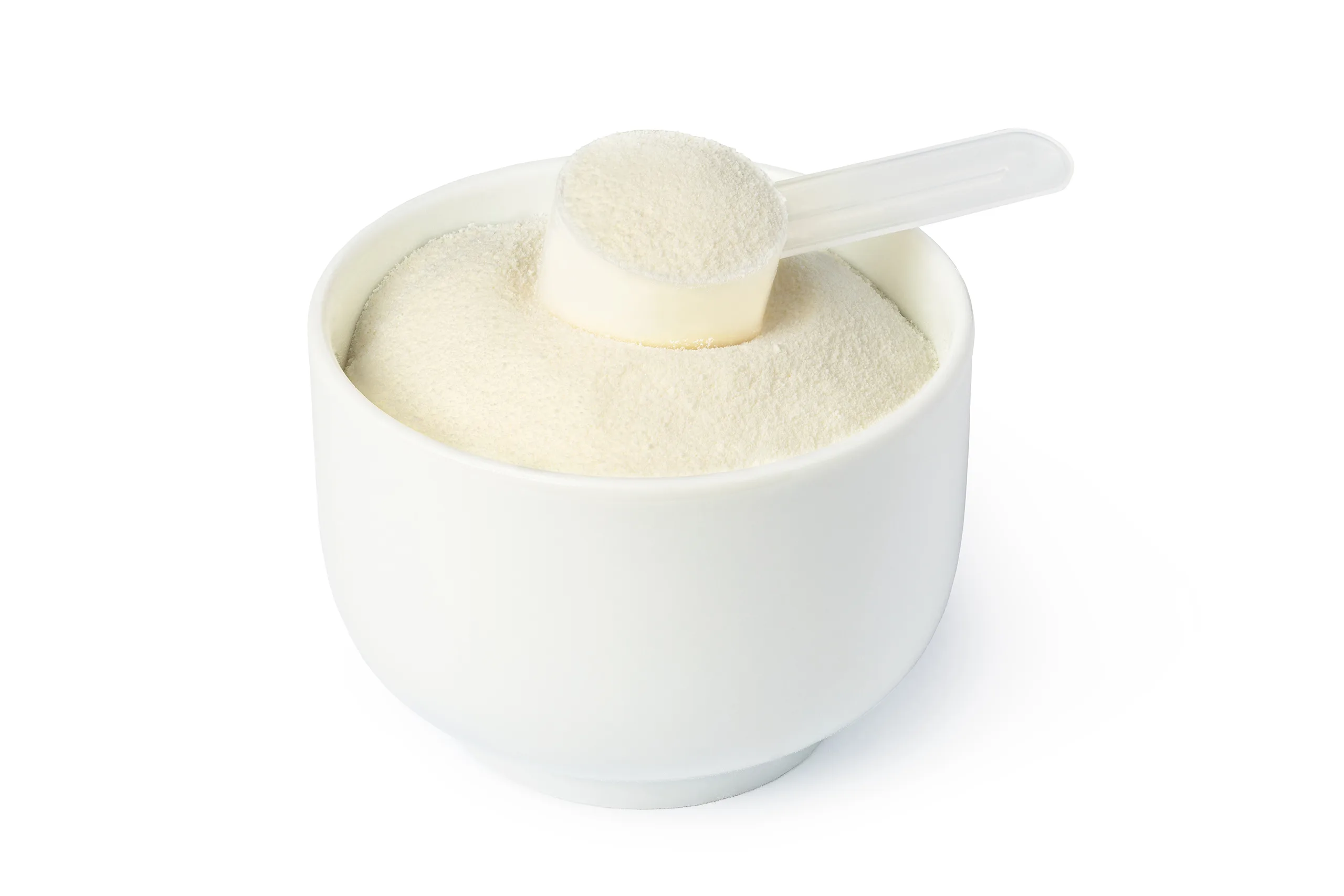
Make drinks your way, with endless possibilities! Frozen Xplosion Original Frappe & Smoothie Base mixes with just about anything: coffee, espresso and cold brew, fresh fruits and veggies, flavored syrups, alcohol and even donuts!

eCommerce Website Design by Wapiti Digital