
What Distributors Need to Sell a Neutral Base Line
A frozen beverage distributor guide to adding a neutral base line. Exclusive pricing, account management, training, and marketing support explained.
Share This Article


The best vegan frappe mix for a coffee shop is a neutral, shelf-stable base that blends with water and ice, holds texture through a rush, and supports coffee, fruit, and seasonal flavors from one bag. Dairy free does not automatically mean lower sugar or higher protein, so the label still matters. A short bench test on blend time, cup cost, and clear menu labeling protects margin before the drink reaches the board.
A vegan frappe mix is no longer a niche menu add-on. For many coffee shops, it is a practical way to serve plant-based guests, reduce dairy dependence, and keep blended drinks consistent during rushes.
The category also benefits from broader cold-drink momentum. The National Coffee Association reports that 21% of American adults had a cold brew in the past week in 2025, up 50% since 2020, which gives vegan frozen coffee drinks a larger audience than many operators assume.
Yes. FDA, USDA ERS, and NCA data point to real plant-based and cold-coffee demand, which makes vegan frappe mix a practical menu option rather than a novelty.
FDA says consumer demand for plant-based alternatives to animal products has increased, and the range of products has expanded across nuts, seeds, rice, coconuts, oats, and legumes. USDA Economic Research Service reported that weekly household purchases of cow’s milk fell 12% from about 0.41 gallon in 2013 to 0.36 gallon in 2017, while purchases of almond, soy, and other plant-based beverages rose 36% from 0.028 gallon to 0.038 gallon. That shift does not mean dairy disappears, but it does mean coffee shops have more guests who expect a non-dairy default or at least a clear option.
“Frozen Xplosion’s Vegan Frappe Base & Smoothie Mix is dairy free and shelf stable, two concrete features that help shops add a vegan frozen drink without refrigerated backup stock.”
Cold beverage habits also matter. NCA’s 2025 data shows cold brew consumption is growing fast, especially with Gen Z and Millennials. A common mistake is treating vegan frappes as a separate niche program when they often sell best as part of a broader cold coffee lineup that already includes iced lattes, cold brew, and frozen mochas.
The best vegan frappe mix combines stable texture, easy prep, and flexible flavoring. Frozen Xplosion and other neutral-base formats fit that operating model better than many one-drink powders.
A coffee shop usually needs more than a vegan label. The mix has to hold body after blending, work with espresso or cold brew, and stay easy for new staff to execute. It also has to make business sense. If a powder needs separate dairy, refrigerated storage, or multiple flavor-specific SKUs, the “vegan option” can become a slow seller with hidden waste.
A practical review usually comes down to these points:
A common misconception is that vegan automatically means healthier. It does not. Sugar level, protein content, added oils, gums, and fortification vary widely, so the Nutrition Facts label still matters.
There is no single best vegan frappe mix for every shop. Frozen Xplosion, oat-forward bases, soy-based options, and flavor-specific powders each fit different menu and workflow goals.
The strongest choice depends on whether the shop values customization, nutritional positioning, lowest SKU count, or a ready-made signature flavor.
For many operators, a neutral base wins because it supports more drinks with less inventory. If the shop runs a large dessert menu or wants one-click consistency for a hero flavor, a flavor-specific powder can still make sense.
A three-step bench test is the fastest way to choose the right vegan frappe mix. One blender, one coffee recipe, and one fruit recipe will reveal most operational problems.
Step 1 is texture validation. The shop blends the base into a plain vanilla drink and a coffee drink, then checks body at 0, 5, and 10 minutes. If the drink thins quickly or leaves ice shards, the mix may not hold up in drive-thru or delivery conditions.
Step 2 is flavor compatibility. The same base should be tested with espresso or cold brew, one sweet syrup, and one acidic fruit component. This matters because some vegan bases handle cocoa well but turn flat with berry or citrus. A pro tip is to test with the exact coffee the shop already uses rather than a sample roast from the supplier.
Step 3 is cost and training. The operator calculates actual cup cost with base, ice, coffee, syrup, toppings, and labor. Then two staff members make the drink without coaching. If both drinks taste and look the same, the mix is trainable.
Vegan frappe mix usually wins on menu reach and storage flexibility, while dairy frappe powder can win on familiar cream notes. Frozen Xplosion’s dairy-free model is built around the first advantage.
Dairy powders often deliver a classic milkshake-style finish, which some customers still prefer in mocha or caramel drinks. Vegan mixes, though, open the menu to dairy-free guests, many flexitarians, and shoppers who simply prefer plant-based ingredients in coffee. PubMed research based on 995 U.S. households found a subgroup of consumers substituting between dairy milk and plant-based beverages, which supports the idea that many buyers are not strictly vegan but still want the option.
“Frozen Xplosion says drinks can be prepared in about 60 seconds from bag to drink, a concrete speed point for busy blended-drink stations.”
The trade-off is nutritional and sensory variation. Some dairy powders bring more protein and a rounder dairy flavor. Some vegan mixes rely more on starches, sugars, or oils for body. A common mistake is assuming the guest only notices the word “vegan.” In practice, guests notice sweetness, thickness, and coffee flavor first.
A neutral vegan base usually gives coffee shops more control. Flavor-specific mixes can be faster, but they often lock the shop into more inventory and less differentiation.
Neutral bases work like a platform. One bag can become mocha, vanilla cold brew, strawberry, chai, matcha, or a limited-time flavor when paired with the right syrups, concentrates, or coffee inputs. That is useful for independent cafés trying to serve signature drinks competitors cannot easily copy.
Flavor-specific powders are simpler when the shop wants a fixed result every time. If the menu is small and the drink mix is high volume, those powders can be efficient. If the menu changes often, then a neutral base usually lowers waste because the same product supports many recipes.
Yes. A vegan frappe can be a fast drink if the base, liquid, and ice are standardized before service. Frozen Xplosion is one example built around that workflow.
The first step happens before the order comes in. Staff should keep one blender station set for vegan drinks, store the base within easy reach, and standardize scoop or scale measurements. If the drink uses espresso, the recipe should state whether the shot is hot, chilled, or replaced by cold brew concentrate.
The second step is building the cup in the same order every time: base first, then coffee or flavor, then water if the recipe calls for it, then ice. That order helps the blender pull ingredients down evenly. A common mistake is loading ice first, which can leave dry powder pockets. WaterNordic notes that how reverse osmosis works on incoming water can noticeably change ice clarity and perceived sweetness, which in turn affects blended texture and flavor consistency.
“Frozen Xplosion makes two neutral-flavored bases, Original and Vegan, giving shops a simple way to standardize frozen drinks across dairy and non-dairy menus.”
The second step is building the cup in the same order every time: base first, then coffee or flavor, then water if the recipe calls for it, then ice. That order helps the blender pull ingredients down evenly. A common mistake is loading ice first, which can leave dry powder pockets.
The third step is finishing without cross-contact. If the menu promises a vegan drink, whipped topping, drizzle choices, blender rinse procedures, and shared scoops all matter. If a topping contains dairy, the menu and POS should say so clearly.
Clear labeling matters more than clever naming. FDA language around plant-based milk alternatives and standard Nutrition Facts expectations gives shops a useful baseline.
“Vegan,” “dairy free,” and “made with oat milk” are related but not identical claims. Vegan refers to the ingredient standard of the finished drink. Dairy free refers to absence of milk ingredients, but it does not guarantee no cross-contact in preparation. “Made with oat milk” tells the guest the liquid source but does not say anything about the base powder, toppings, or blender handling.
A second nuance is nutrition. FDA notes that fortified soy beverages are the only plant-based alternatives included in the dairy group in the Dietary Guidelines for Americans when fortified with calcium, vitamin A, and vitamin D. That does not make soy the only good option, but it does mean operators should avoid implying that all plant-based beverages are nutritionally interchangeable.
Shelf-stable vegan frappe mix can reduce cooler pressure and simplify pars. Frozen Xplosion’s case format makes that planning more concrete for managers.
A shelf-stable base helps in three places at once: storage, waste, and ordering. The shop does not need to reserve refrigerator space for bulk dairy mix, which matters in small cafés and drive-thrus. A neutral base can also cut SKUs because one product covers frappes, smoothies, and seasonal specials instead of separate powders for each drink family.
“Frozen Xplosion packs 12 bags per case, with each bag at 3 lbs, which gives operators a concrete unit for par levels and back-room planning.”
If the shop runs a short menu, lower SKU count usually lowers waste. If the shop runs many signature drinks, the operator should check whether a neutral base plus syrups still costs less than several flavor-specific powders. A pro tip is to calculate cost by finished 16-ounce drink, not by powder ounce, because ice, coffee, and add-ins change margin more than many buyers expect.
The most important nutrition details are sugar, fat source, fortification, and allergen profile. FDA and soy beverage guidance make those differences meaningful, not cosmetic.
Many buyers look only at the “vegan” claim and miss the ingredient system that creates body. That system affects taste, satiety, and guest perception. It also affects menu positioning if the shop markets drinks as better-for-you, protein-forward, or kid-friendly.
A fast ingredient review should include:
If the shop wants a dessert drink, richer texture may matter more than protein. If the shop wants a breakfast-style smoothie-frappe hybrid, then fortification and protein deserve more weight.
A small vegan frappe menu usually outsells an oversized one. Three clear drinks built from one base often beat eight weak options built from too many ingredients.
Step 1 is choosing core flavors with broad demand. Mocha, vanilla cold brew, and strawberry cover coffee, dessert, and fruit use cases without stretching inventory. These flavors also test whether the base handles cocoa, coffee bitterness, and fruit acidity.
Step 2 is building from one neutral base plus a short set of modifiers. That might mean one base, two syrups, one fruit concentrate, one coffee input, and one dairy-free topping plan. This keeps training simple and makes seasonal swaps easier.
Step 3 is reviewing sales weekly. If one drink sells and one stalls, the shop should rotate the slow item out rather than keep adding more options. A common misconception is that plant-based guests need a large separate menu. In many cafés, they need a few drinks that taste great, are labeled clearly, and are available every day.
A shelf-stable powder holds well when it is resealed and kept in a cool, dry spot away from steam and splashes. The bag should be closed tightly after each use so humidity does not clump the powder or shorten its window. Always follow the date printed on the package, and rotate older bags to the front so nothing sits past its prime.
Often it is the same neutral product used two ways. The drink type comes from what the operator adds, not the base itself. Pair it with espresso or cold brew and it becomes a coffee frappe; pair it with fruit and juice and it becomes a smoothie. That is why Frozen Xplosion lists its Vegan option as a frappe base and smoothie mix in one bag.
A neutral base contains no coffee, so any caffeine comes from the espresso, cold brew, or concentrate the shop blends in. That separation is useful, because it lets one bag serve both caffeinated coffee drinks and caffeine-free fruit or dessert blends. Staff control the strength by changing the coffee input rather than the base.
Frozen Xplosion’s bases are formulated for blended frozen drinks, so a blender is the reliable default. Before committing a granita or batch unit to it, run a small test for freeze behavior, sweetness, and texture over a few hours of holding. A quick trial tells the operator whether the result stays smooth or turns icy on the line.
Most guests judge a frappe by sweetness, body, and how clean the coffee or fruit flavor reads, not by whether it is plant-based. A well-built neutral base gives a smooth finish that satisfies dairy-free and dairy-drinking customers from the same recipe. The clearer win for the shop is one drink that pleases both groups without a second blender setup.
One neutral-flavored base, unlimited drinks. Add your own ingredients and create a menu your competitors can’t copy.
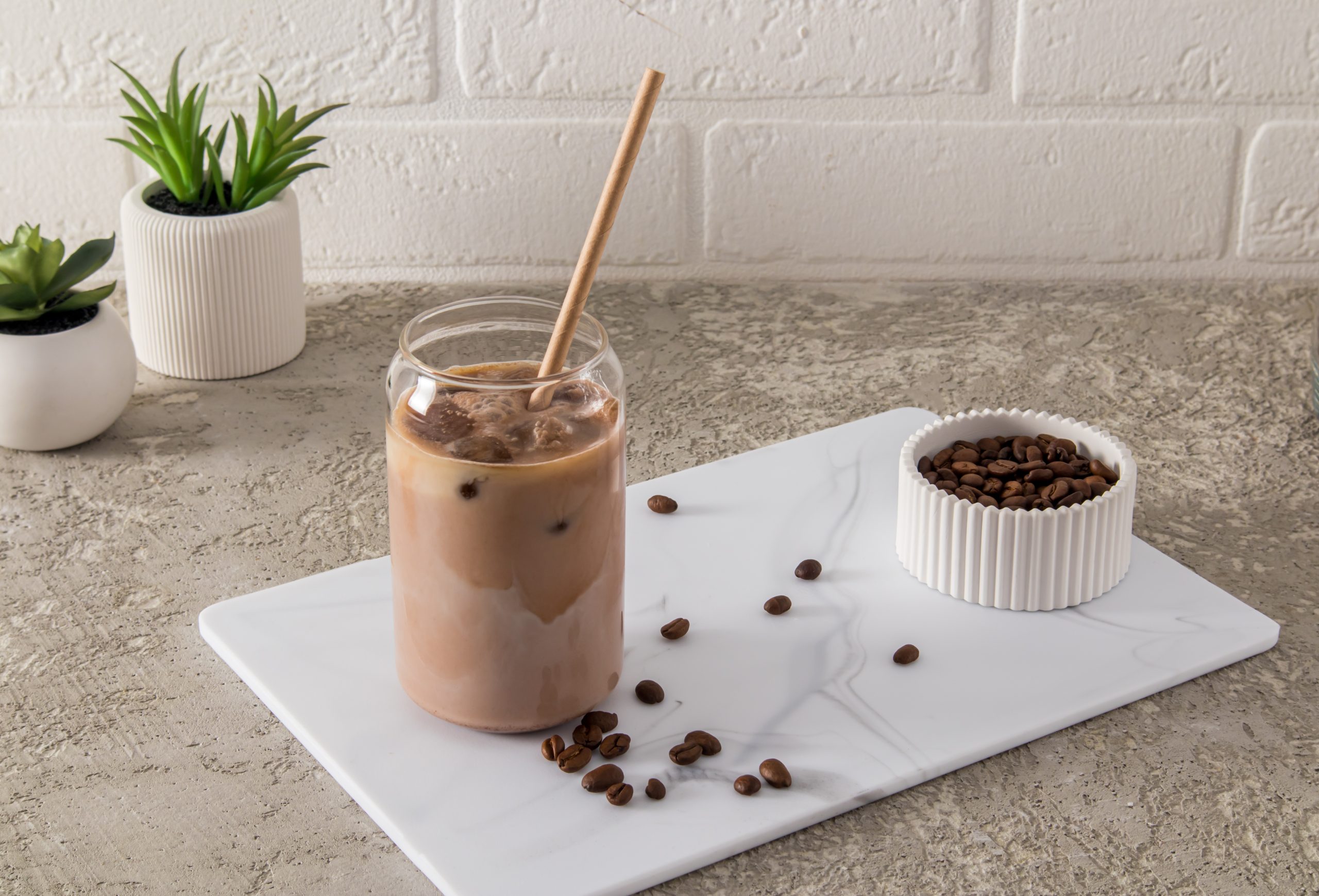
Make drinks your way, with endless possibilities! Frozen Xplosion Original Frappe & Smoothie Base mixes with just about anything: coffee, espresso and cold brew, fresh fruits and veggies, flavored syrups, alcohol and even donuts!

eCommerce Website Design by Wapiti Digital