
What Blending Powder Does in a Blended Drink
Blending powder for drinks adds body and creaminess to a blended drink. See when one neutral base replaces a flavor syrup plus a separate binder.
Share This Article


A strong frozen coffee program usually starts with one basic question: what should carry the drink, a coffee base or a syrup?
The answer matters because these two ingredients do very different jobs. One acts as the structure of the beverage, shaping texture, body, and consistency. The other acts as a flavoring and sweetener, useful in the right place but rarely ideal as the whole foundation. For coffee shops, drive-thrus, restaurants, bars, and home baristas, that distinction can change speed, cost, menu range, and the final taste in the cup.
A coffee base is meant to be the platform of the drink. In frozen beverages, that platform matters because ice alone does not create a creamy, stable blend. A good base helps bind water and ice, supports a smooth texture, and gives the drink enough body to hold coffee, flavorings, and other add-ins without turning thin or icy.
That is why neutral bases have become such a practical option. Rather than locking a menu into one pre-flavored powder, a neutral base leaves room for espresso, cold brew, syrups, fruit, sauces, and even alcohol to define the drink. Company materials from Frozen Xplosion describe this kind of base as a neutral canvas that works with coffee and many other ingredients while blending quickly into a creamy frozen beverage.
FDA guidance also treats beverage bases as products designed to be mixed with other ingredients to make a finished drink. That fits the role perfectly. A base is not the accent. It is the starting point.
In a busy service setting, that difference shows up fast.
Syrup has a different job. It adds sweetness, flavor, and sometimes a bit of aroma. Vanilla syrup, caramel syrup, hazelnut syrup, and seasonal flavors are popular because they can change the profile of a drink in seconds.
That makes syrup valuable, but it does not make syrup a true substitute for a base. Syrup usually does not provide the creamy body or stable texture needed for a blended coffee. A drink built mostly on ice, coffee, and syrup often tastes sharp at first and watery a few minutes later. The flavor may be there, but the structure is missing.
There is also a nutrition angle worth keeping in view. FDA guidance defines added sugars to include sugars from syrups, and the Nutrition Facts framework sets a Daily Value of 50 grams of added sugars based on a 2,000 calorie diet. CDC materials also list coffee and tea beverages with added sugars as examples of sugar-sweetened beverages, and note that frequent intake is associated with several health risks.
That does not mean syrup has no place. It means syrup works best as a measured add-in, not as the whole strategy.
After that distinction is clear, syrup’s strengths become easy to appreciate:
The easiest way to compare the two is to look at the role each ingredient actually fills in a finished beverage.
| Factor | Coffee Base | Syrup |
|---|---|---|
| Primary role | Foundation of the drink | Flavor and sweetness add-in |
| Texture contribution | Creamy body and blend stability | Minimal body in frozen drinks |
| Menu flexibility | High, especially when neutral flavored | Moderate, mostly flavor specific |
| Sweetness control | Can stay more balanced depending on recipe | Often raises sweetness quickly |
| Coffee expression | Lets espresso or cold brew lead | Can mask coffee if overused |
| Speed in service | Fast when one base works across many drinks | Fast for flavoring, not for structure |
| SKU impact | Can reduce the number of specialty powders needed | Often adds many bottles and flavors |
| Best use | Frappes, smoothies, frozen lattes, signature blends | Flavor finishing, customization, seasonal accents |
This comparison points to a simple takeaway: syrup helps shape a drink, but base helps build it.
A neutral coffee base is appealing because it does not force a menu into one narrow flavor lane. It gives operators one reliable starting point, then leaves the rest open. That can support a classic mocha frappe in the morning, a caramel cold brew freeze at lunch, and a boozy frozen espresso drink later in the day without changing the core process.
That kind of flexibility matters in real operations. Pre-flavored powders may seem convenient at first, yet they often multiply inventory, take up shelf space, and limit experimentation. A neutral base can reduce that clutter. Frozen Xplosion’s product materials make this case directly, noting that one neutral base can replace many pre-flavored powders while still allowing signature recipes to come through clearly.
The practical benefits are easy to spot:
There is also a consistency benefit. Shops want a frozen drink to taste the same on Monday morning and Saturday afternoon. A base that blends in about 60 seconds and performs the same way across recipes gives staff a much better shot at repeatable results, even when turnover is high or rush periods are intense.
Home baristas benefit too. A pantry-friendly, shelf-stable base is easier to keep on hand than several separate frozen drink components, especially when variety matters as much as convenience.
Syrup still earns its place on the bar.
In hot and iced coffee, syrup may be all that is needed to sweeten and flavor a drink. In a simple iced latte, a pump or two of vanilla or brown sugar syrup can do the job cleanly and quickly. No base is required because the drink is not trying to achieve a thick, frozen texture.
Even in frozen drinks, syrup can be the finishing layer that makes a menu feel fresh. A neutral base plus espresso creates the structure. Syrup can then steer the drink toward caramel, peppermint, lavender, toasted marshmallow, or another house signature.
That is where syrup shines most: as a creative modifier.
A few situations tend to favor syrup:
The key is proportion. When syrup is used to fine-tune flavor, it works with the base instead of trying to replace it.
The best beverage programs rarely treat coffee base and syrup as opponents. They work best as partners with clear roles.
A neutral base provides body, creaminess, and consistency. Coffee brings depth, roast notes, and caffeine. Syrup adds the chosen personality of the drink. Bean choice matters here too; Gentlefox notes in its overview of selecting high-quality coffee beans that balanced roast development preserves sweetness and clarity when the coffee is blended with ice or dairy. That three-part setup gives much more control than relying on syrup alone.
A frozen caramel latte is a good example. The base creates the smooth blend. Espresso or cold brew supplies the coffee backbone. Caramel syrup adds sweetness and identity. If the caramel level needs to shift for local taste, only the syrup amount changes, not the whole drink system.
This setup also supports signature beverages that are harder for competitors to copy exactly. Many operators want drinks that feel house-made without adding slow, messy prep. A neutral base helps create that middle ground because it stays consistent while flavor combinations stay open.
One simple build strategy often works well:
That process is easy to train, easy to repeat, and broad enough to cover a large menu.
Not all bases solve the same problem. Some are heavily flavored, some require dairy, and some are built for a narrow set of drinks. A stronger option for many businesses is a neutral base that stays out of the way while still producing a creamy finished beverage.
When evaluating a coffee base, several features matter more than flashy claims. A shop or home barista should look at prep time, flavor neutrality, storage convenience, dietary fit, and how well the base handles multiple drink types. A shelf-stable base that works with water and ice can simplify operations far more than a product that requires extra refrigerated ingredients.
Frozen Xplosion’s product information speaks directly to this demand. Its neutral frappe and smoothie base is presented as dairy free, gluten free, shelf stable, and compatible with coffee, fruit, syrups, and alcohol. That kind of profile is attractive because it gives one product more than one lane on the menu.
A strong coffee base should check most of these boxes:
Price matters, of course, but the lowest line-item cost is not always the lowest operational cost. A cheap product that creates inconsistent drinks, extra waste, or too many menu-specific SKUs may cost more over time than a versatile base with stronger performance.
For most frozen coffee applications, the better starting point is a coffee base, especially a neutral one. It gives the drink its body, makes blending easier, and supports a wider menu with fewer products. Syrup still matters, but mainly as a flavor-and-sugar add-in rather than the foundation of the drink.
That distinction is what helps a menu stay both creative and practical. A base handles the heavy lifting. Syrup adds character. When those roles stay clear, coffee drinks tend to come out smoother, faster, and more consistent, whether they are served from a busy drive-thru window or blended at home in one minute flat.
One neutral-flavored base, unlimited drinks. Add your own ingredients and create a menu your competitors can’t copy.
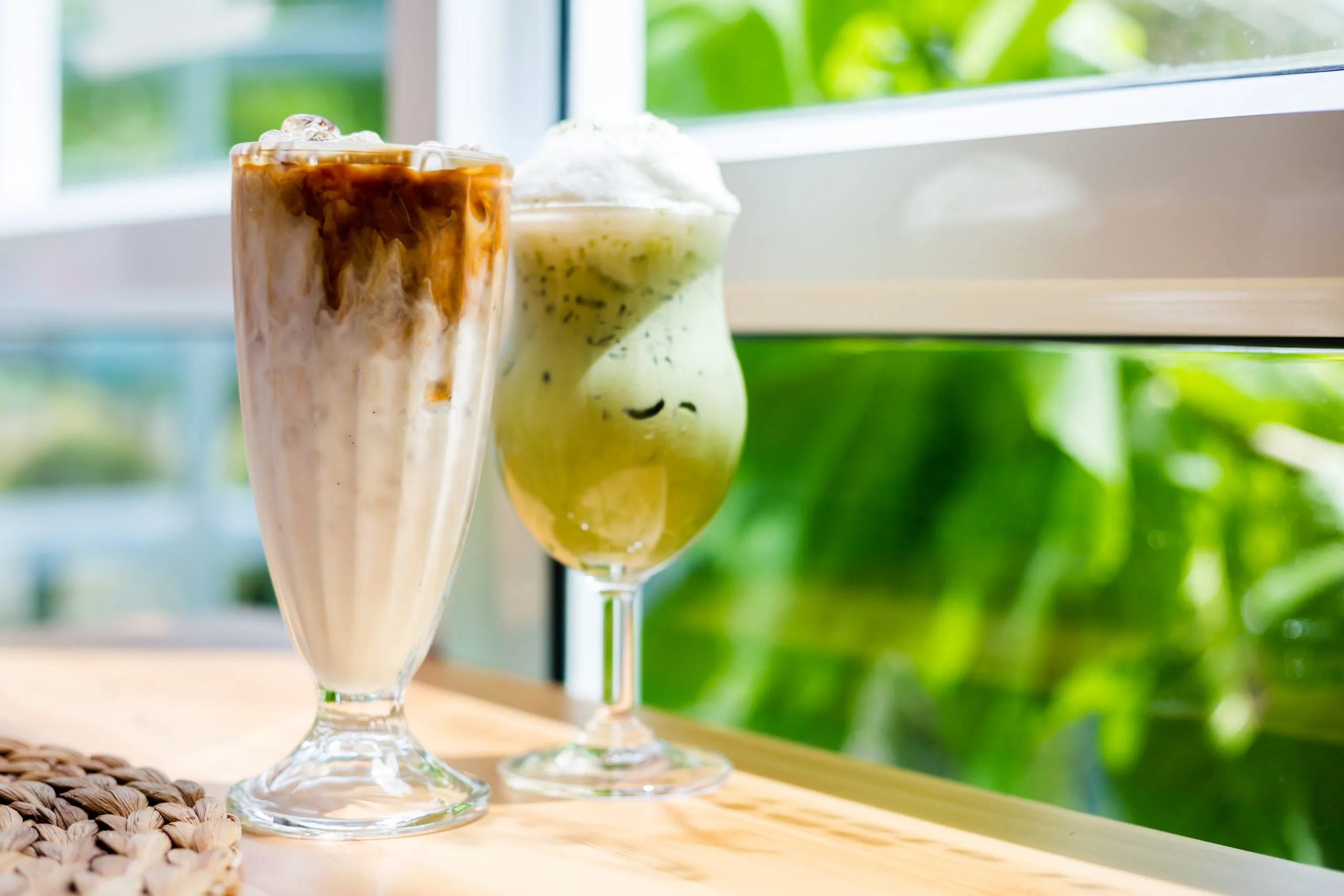
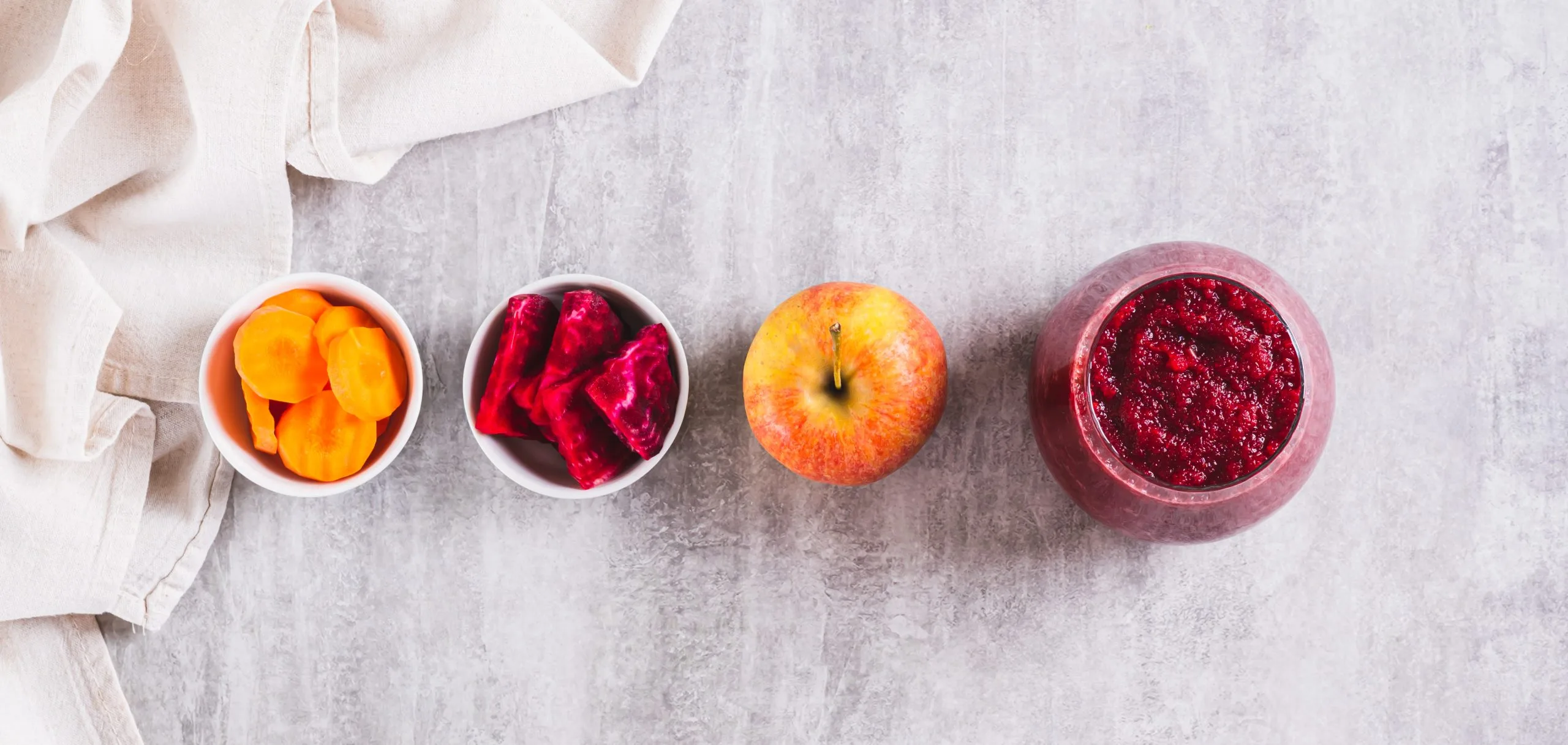
Make drinks your way, with endless possibilities! Frozen Xplosion Original Frappe & Smoothie Base mixes with just about anything: coffee, espresso and cold brew, fresh fruits and veggies, flavored syrups, alcohol and even donuts!

eCommerce Website Design by Wapiti Digital