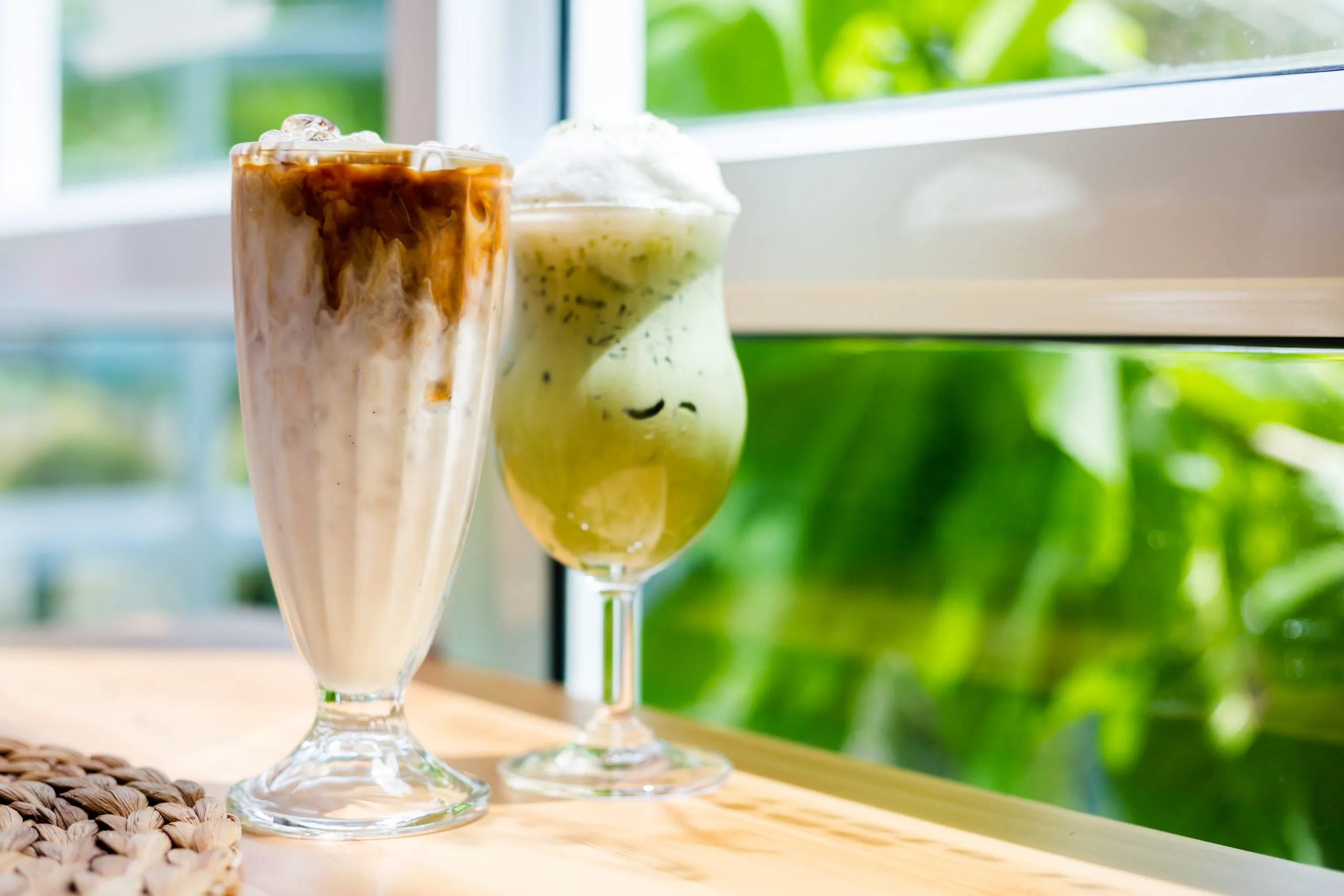
Launching Frozen Drinks at a New Coffee Shop
Launch new coffee shop frozen drinks in 30 days. Trial a sample bag, size your first case order, and train baristas on standard builds.
Share This Article


The best bulk drink mix depends on your operation, not the longest flavor catalog. Frozen Xplosion suits operators who want one neutral base for many drinks. Island Oasis fits fruit-forward smoothie and bar programs. Big Train works for turnkey café menus. Torani and MONIN excel as flavor systems paired with a base. Sqwincher serves high-volume hydration needs. Match format to service speed, storage limits, and menu goals before buying.
Bulk drink mix helps foodservice teams serve more beverages with less space, less waste, and more predictable margins. For coffee shops, restaurants, bars, campuses, and home baristas buying in volume, it solves a core operating problem: making consistent drinks quickly without stocking a separate product for every flavor. The right system can cut cooler pressure, simplify training, and turn a small beverage station into a high-yield profit center. The wrong one can lock an operator into slow prep, excess SKUs, and weak menu flexibility.
Bulk drink mix is a high-yield beverage base used by foodservice to make drinks faster and more consistently than ready-to-drink cases. It usually comes as powder, liquid concentrate, fruit mix, or bag-in-box syrup.
In foodservice, “bulk” matters less by package size alone and more by yield. A 3 lb frappe base, a 33.9 oz smoothie base carton, or a 5-gallon hydration concentrate can all count as bulk if they produce many finished servings from a compact package.
This format is popular because it compresses inventory. Instead of stocking bottled smoothies, bottled lemonades, bottled frappes, and bottled cocktail mixers, operators keep a smaller set of bases and mix to order. That gives more control over sweetness, texture, and menu rotation.
Bulk drink mix is usually the lower-cost, lower-space option for operators like cafés and quick-service restaurants. Coca-Cola fountain systems and café blender stations work on the same logic: ship concentrate, then build the finished drink on site.
The biggest benefits are freight efficiency, storage efficiency, and customization. Powdered mixes generally ship lighter than bottled beverages, and shelf-stable formats reduce refrigeration demand. If an operator wants a 16 oz mocha frappe one hour and a mango smoothie the next, a base system makes that possible without extra bottle SKUs.
The trade-off is prep. Ready-to-drink products win on simplicity, while mixes win on flexibility and cost control. A common mistake is comparing bag price to bottle price. The better comparison is delivered cost per finished serving, including cup, lid, straw, labor, and waste.
The best bulk drink mix depends on channel, not hype. Frozen Xplosion, Island Oasis, Big Train, Torani, MONIN, and Sqwincher each fit a different operating model.
A drive-thru café has different needs than a stadium concession stand or a bar program. Some operators need a neutral frozen base. Others need dispenser-ready hydration or fruit-forward smoothie cartons. The strongest options are the ones that match service speed, storage limits, and menu goals.
The right bulk drink mix starts with menu goals, not the longest flavor catalog. A Seattle drive-thru and a college café need different speed, storage, and sweetness control.
A common mistake is buying based on flavor excitement before checking blender time, shelf stability, and finished drink cost. If the shop serves 60 blended drinks on a hot afternoon, speed and repeatability matter more than novelty. If the shop wants signature beverages, a neutral base usually gives more room to build something competitors cannot copy.
A simple buying process keeps the choice objective:
Powder is usually best for storage and freight, liquid concentrate is best for batch speed, and fruit purée is best for fruit perception. Big Train, Sqwincher, and Island Oasis are useful benchmarks for these trade-offs.
Powdered drink mix tends to have the smallest storage footprint and the lowest shipping weight. That makes it strong for cafés, drive-thrus, and mobile operators. It also reduces spoilage risk because unopened dry product is typically more stable than refrigerated alternatives.
Liquid concentrates excel in high-volume settings. If a cafeteria needs gallons of tea, lemonade, or electrolyte drink, concentrates and dispenser systems are efficient. They cut measuring errors and fit standard operating procedures well.
Fruit purée and smoothie cartons often deliver the strongest fruit identity, which can support premium pricing. The trade-off is storage. Frozen SKUs need freezer space, and even shelf-stable cartons take more room per serving than a dry base. A common misconception is that real-fruit-heavy formats are always the best choice. If throughput is high and space is limited, a well-built powder or neutral base can be the better operational fit.
A frozen drink program should start small, standardize fast, and scale only after the line can repeat the recipe. Vitamix-style blender stations and neutral bases work best when the first menu is tight.
Many beverage programs fail because they launch too many drinks at once. The better play is three core recipes with one clear build standard per size. If the base, scoop count, and liquid volume are fixed, different team members can produce the same texture during a rush.
A practical rollout looks like this:
Shelf-stable bulk drink mix saves space first and labor second. Frozen Xplosion and shelf-stable Torani products show why ambient storage matters in small cafés and restaurant bars.
When product can sit on a dry shelf before opening, operators gain back cooler and freezer space for perishables with no substitute. That matters in coffee stands, food trucks, and back bars where every cubic foot is already committed.
Shelf-stable formats also simplify ordering. A neutral base with a few concentrates can replace a long list of flavor-specific powders. Fewer SKUs mean fewer stockouts, fewer partial bags, and fewer “we’re out of that flavor” moments.
The trade-off is recipe responsibility. Shelf-stable neutral systems often ask the operator to build the final drink with espresso, fruit, syrup, or alcohol. That is a strength for signature menus, but it does require a better recipe card.
A neutral base is better for customization, while pre-flavored mixes are better for fast rollout. Frozen Xplosion and Big Train represent the two clearest approaches.
Neutral bases reduce SKU count and keep flavor control in-house. If a café wants a house mocha, a seasonal berry frappe, and a frozen chai, the same base can often support all three. This usually helps with sweetness control too, because the operator can shift sweetness into syrup, fruit concentrate, or espresso balance.
Pre-flavored mixes are simpler. They reduce recipe development and help new teams produce a familiar drink with fewer variables. That is useful for operators who want speed and consistency more than differentiation.
The trade-off is brand sameness. If ten nearby cafés use the same finished mix, the drinks will be harder to separate in the market. A common misconception is that more pre-made flavors create more menu freedom. In practice, too many fixed flavors can increase inventory while shrinking originality.
Strong margins come from finished-drink math, not low case cost. Coffee bars and casual restaurants usually target beverage ingredient cost near 20 to 30 percent, depending on category and concept.
The cleanest pricing method starts with the fully built cup. That includes base, flavor, cup, lid, topping, and a realistic labor allowance. If a 16 oz frozen drink costs $1.40 all-in and the target food cost is 25 percent, the menu price needs to land near $5.60 before local market adjustments.
A reliable pricing routine is simple:
Pro tip: compare cost per prepared serving, not cost per bag or bottle. A product that looks expensive on the shelf can be cheaper once yield and waste are counted.
Buyers should verify the spec sheet, allergen panel, and opened-product handling rules every time. FDA labeling rules and operator SOPs both matter when claims like dairy free, gluten free, kosher, or organic affect purchasing.
The most important checks are practical. Does the product need refrigeration after opening? How long can it stay on bar? Torani, for example, publishes detailed shelf-life guidance for several categories, including purées and smoothie mixes. That kind of transparency helps buyers plan rotation and reduce waste.
Claims also need context. “Shelf stable” does not always mean shelf stable after opening. “Sugar free” does not always mean the flavor profile fits the concept. “Dairy free” should always be verified against the current ingredient statement and allergen policy if the account has strict dietary requirements.
A common mistake is treating front-label claims as the full technical answer. The label, spec sheet, and handling instructions should all match the operator’s compliance needs.
Bulk drink mix is not limited to smoothies. Restaurants, bars, and home baristas use neutral bases and concentrates for granitas, frozen lemonades, coffee coolers, dessert drinks, and frozen cocktails.
This is where a flexible base becomes more valuable than a single finished flavor. One neutral system can support espresso drinks at breakfast, fruit coolers at lunch, and cocktail specials at night. If the same product works with syrup, fruit concentrate, and spirits, the beverage station earns more from fewer inputs.
Bars often use the category for piña coladas, frozen margarita-style drinks, and boozy lemonades. Restaurants use it for kids’ frozen fruit drinks and premium nonalcoholic beverages. Home baristas buy in bulk for the same reason foodservice does: repeatable texture, quick prep, and lower cost per drink than café-by-café purchasing.
That cross-use potential is the real advantage. Bulk drink mix is not just an ingredient format. It is a menu system that helps operators build faster, store smarter, and keep beverage options open without letting inventory sprawl.
Most neutral powder bases blend well with oat, almond, or coconut milk as a water substitute. The result changes texture and sweetness slightly, so a short test batch before menu launch is worth the effort. Operators running dairy-free or vegan programs often find neutral bases easier to adapt than pre-flavored mixes, which may already include dairy-derived ingredients.
A commercial blender, a calibrated scoop or portioning spoon, and a cup-size chart are the core requirements for most powdered systems. Some liquid concentrate programs also need a dispenser or measured pump. The station does not have to be complicated. If the recipe card specifies exact scoop counts and liquid volumes per cup size, most team members can produce consistent results with minimal additional equipment.
Yes. Foodservice formulations are typically built for higher yield, faster prep, and back-of-house storage conditions. Retail versions often prioritize single-serve convenience and consumer-friendly packaging. Ingredient ratios, sweetness levels, and serving instructions can differ between the same brand’s foodservice and retail lines, so operators should always source the foodservice SKU and verify the spec sheet rather than pulling from a club store.
A written recipe card with exact weights or scoop counts per cup size is the most reliable control. If measuring is visual rather than weighed, use color-coded scoops. Consistency problems in blended drink programs usually trace back to inconsistent liquid-to-base ratios, not the mix itself. Locking in the build standard before training starts prevents most of those issues.
It is possible but generally not recommended as a default approach. Mixing systems from different suppliers can create unpredictable texture and sweetness interactions, and it complicates both training and inventory management. A better path is choosing one neutral base with strong flavor flexibility and building variety through syrups, fruit concentrates, or espresso rather than adding a second base system.
Store opened product in an airtight container, label it with the date, and follow the manufacturer’s handling guidelines for that specific format. Shelf-stable powder generally holds longer than liquid or purée formats after opening, but “shelf stable” applies to the sealed product, not necessarily to an open bag sitting on bar. Building par levels around realistic daily volume helps avoid the partial-bag problem before it becomes a waste issue.
One neutral-flavored base, unlimited drinks. Add your own ingredients and create a menu your competitors can’t copy.
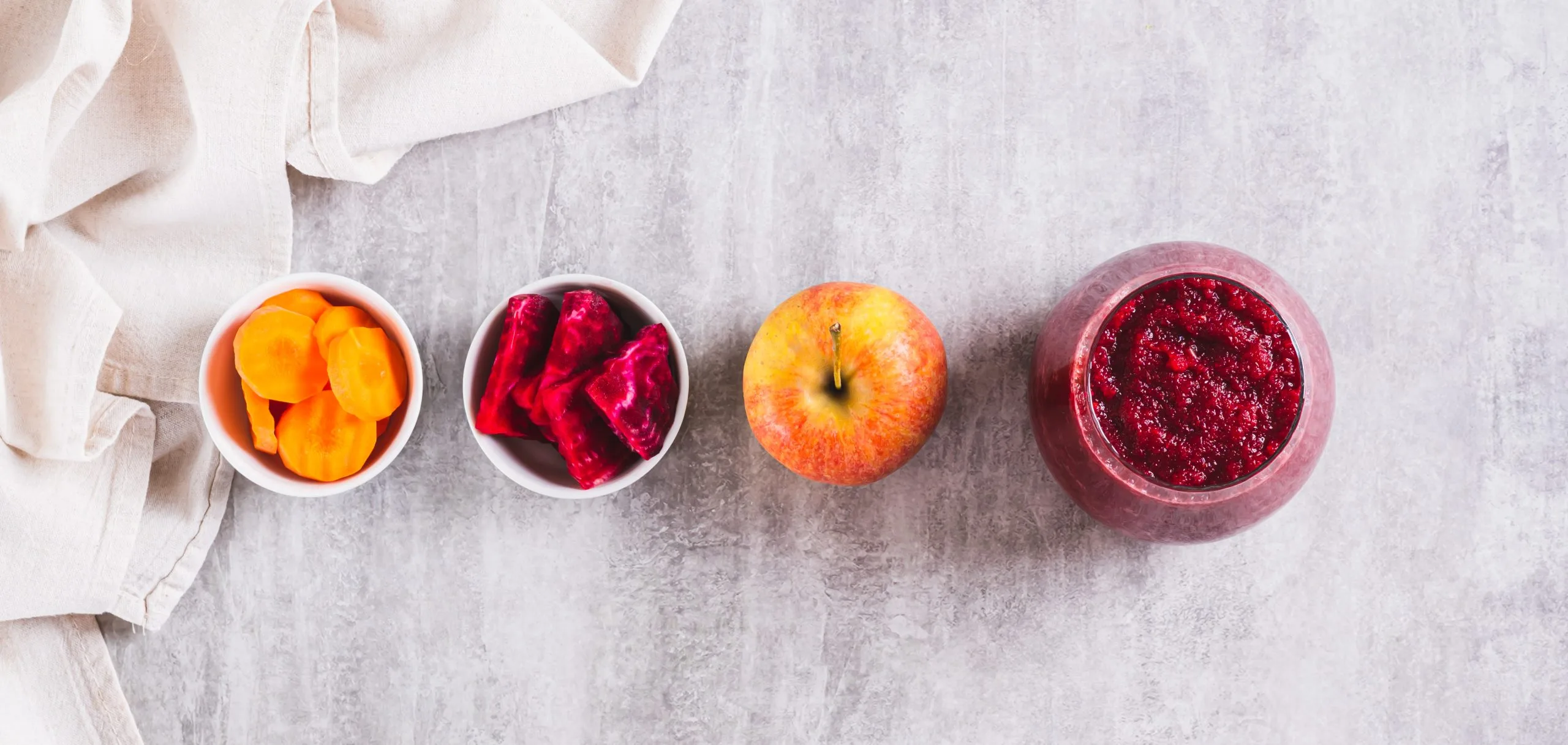
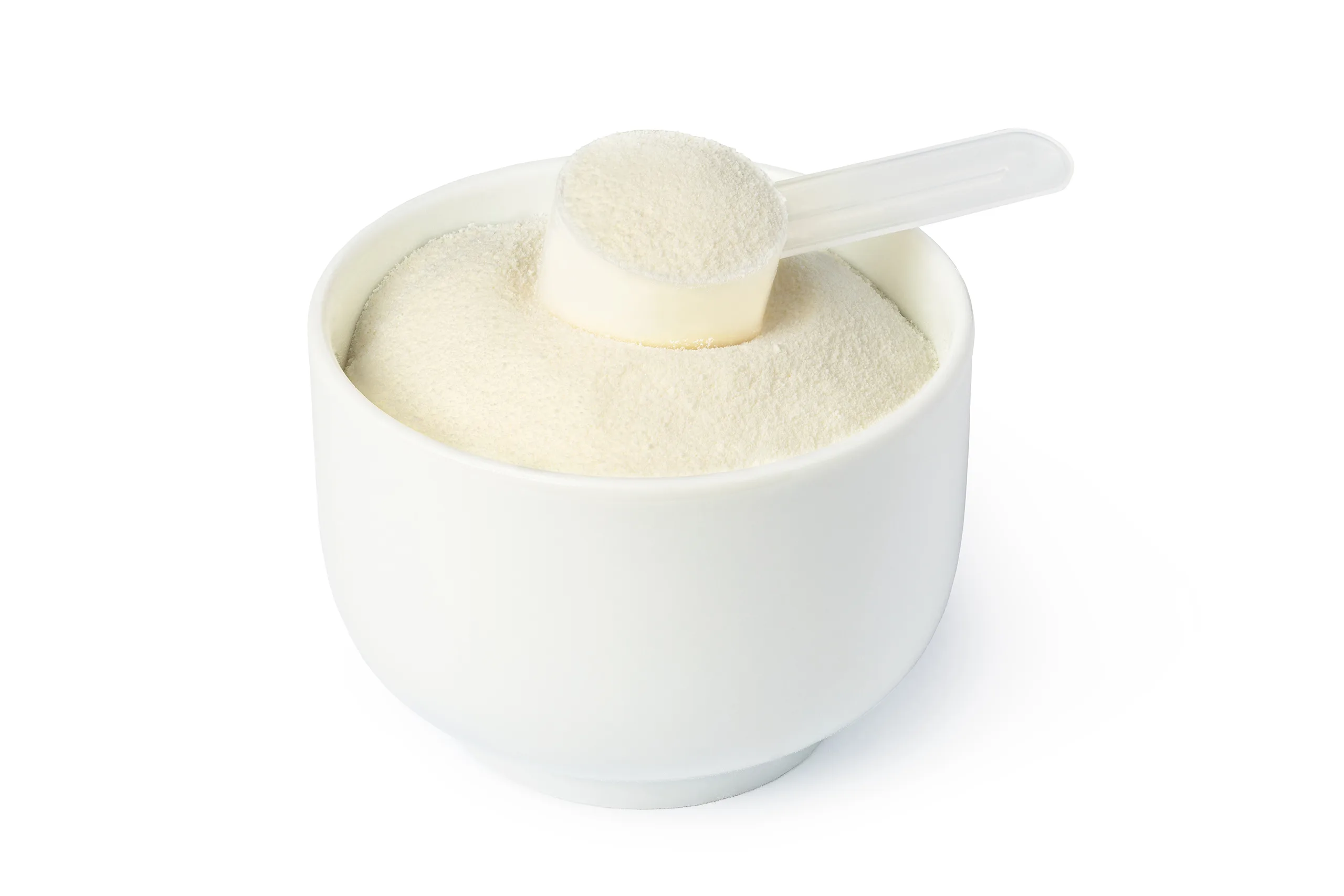
Make drinks your way, with endless possibilities! Frozen Xplosion Original Frappe & Smoothie Base mixes with just about anything: coffee, espresso and cold brew, fresh fruits and veggies, flavored syrups, alcohol and even donuts!

eCommerce Website Design by Wapiti Digital