
What Blending Powder Does in a Blended Drink
Blending powder for drinks adds body and creaminess to a blended drink. See when one neutral base replaces a flavor syrup plus a separate binder.
Share This Article

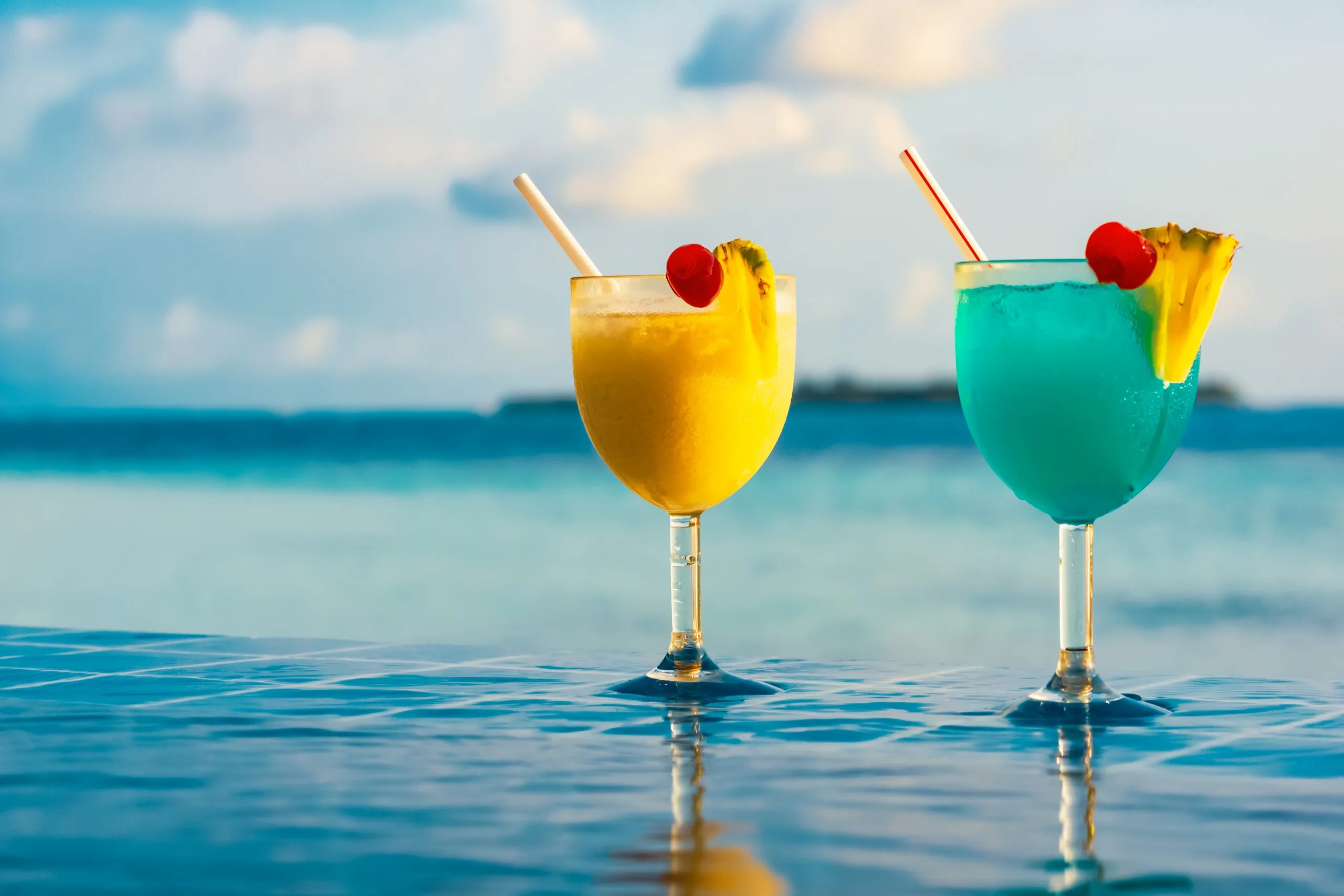
A hotel or resort can run every frozen drink across the property from one neutral base. The pool bar pours frozen cocktails, the lobby cafe blends coffee and smoothies, banquets batch at volume, and room service sends up zero-proof versions. Purchasing stays centralized on one shelf-stable SKU, each outlet holds its own par level, and the bar adds spirits only at the pour, so the menus differ but the product behind them does not.
A hotel or resort is not one beverage outlet, it is several. The pool bar, the lobby cafe, the banquet floor, and room service all serve frozen drinks, and most properties end up buying a separate mix for each one. The result is more SKUs on the shelf, more storage to manage, more training for staff, and four drink menus that slowly drift apart.
There is a simpler way to run it. One neutral frappe and smoothie base can feed every outlet on the property, which is why hotels and resorts sit inside the restaurants and bars operators we build programs for at Frozen Xplosion. This guide covers how to run a single frozen drink program across a whole property, from one purchasing decision down to the par level each outlet keeps on hand.
One neutral base covers every frozen drink a hotel serves, from a poolside frozen cocktail to a lobby frappe to a smoothie sent up on a room service tray. A neutral base carries the creamy texture and body of the drink without locking in a flavor, so the outlet adds its own flavor at build time with espresso, fruit, syrup, or a spirit. That is the difference between a neutral base and a pre-flavored powder, and it is what lets a single product stretch across very different menus.
Frozen Xplosion makes two neutral frappe and smoothie bases, an Original and a Vegan, and either one can anchor a whole-property program. Both blend creamy with just water and ice, so no outlet needs milk on hand to pour a frappe. One base in place of dozens of pre-flavored powders is the whole premise. The property builds a signature menu that a competing hotel down the road cannot copy, because it is not pouring the same stock flavors everyone else buys.
The alternative multiplies fast. A property that buys pre-flavored powders needs a mocha mix, a vanilla mix, a strawberry mix, and so on, at every outlet that wants those drinks. One neutral base collapses that whole matrix into a single product, and each outlet dials in the exact flavors it wants at build time. That is how one SKU can stand behind a pool bar cocktail list and a lobby coffee menu at the same time.
Each outlet pours from the same base but builds different drinks for the guests in front of it. The pool bar leans into frozen cocktails and bright zero-proof coolers. The lobby cafe runs blended coffee, frappes, and fruit smoothies for the morning and afternoon crowd. Banquets and events batch frozen drinks at volume for a room full of guests at once. Room service keeps it simple with smoothies, blended coffee, and zero-proof frozen drinks that travel well on a tray.
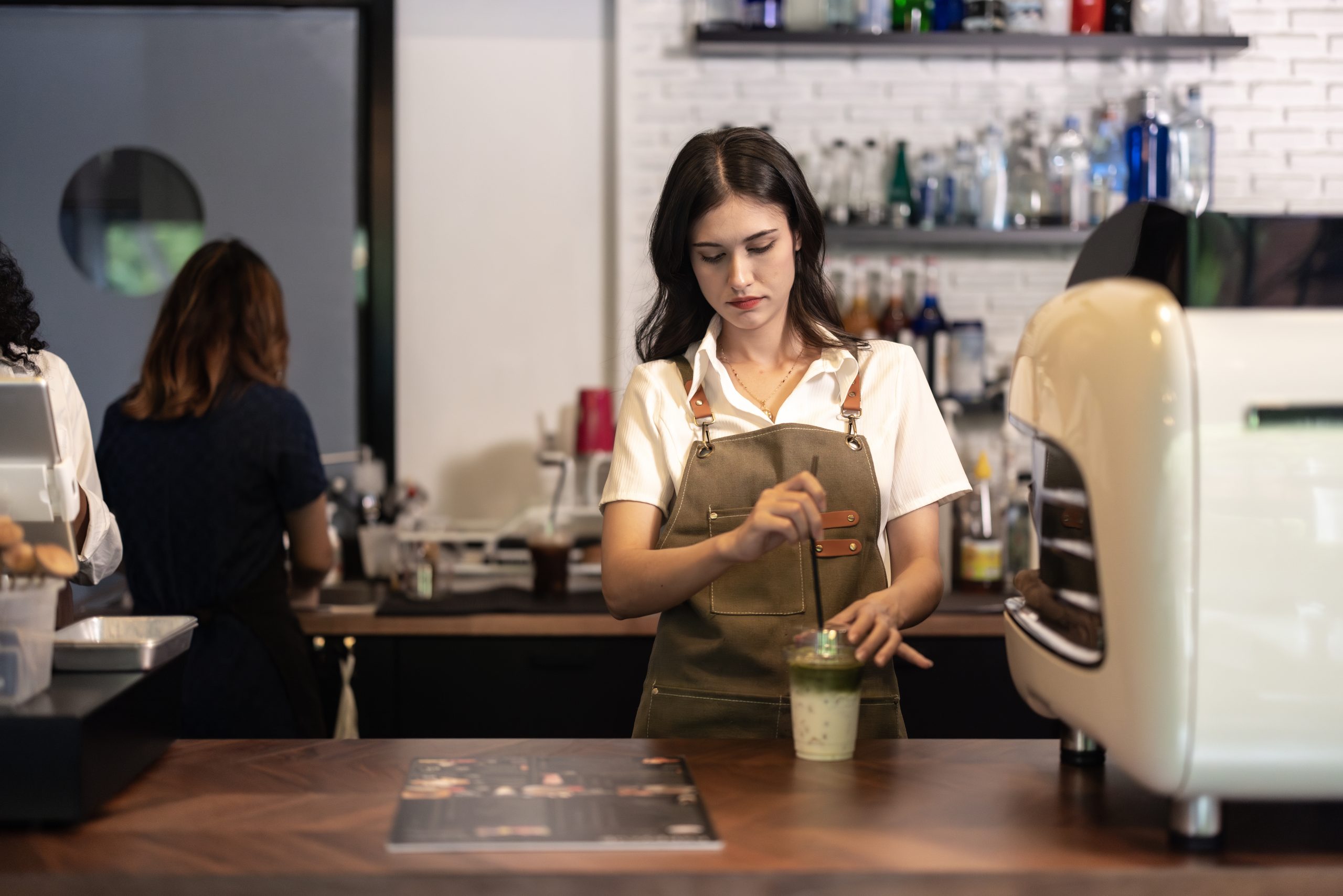
The menus look different to a guest, but behind each one is the same bag of base and the same roughly 60-second build. That is what makes the program easy to train and easy to keep steady, because a bartender who moves from the pool bar to a banquet station is working with a product they already know.
| Outlet | Typical frozen drinks | How the spirit is handled |
|---|---|---|
| Pool bar | Frozen cocktails, blended daiquiris, zero-proof coolers | Spirit added per pour, zero-proof on request |
| Lobby cafe | Blended coffee, frappes, fruit smoothies | None, every drink is zero-proof |
| Banquets and events | Batched frozen cocktails and mocktails | Spirit added at a staffed bar station only |
| Room service | Smoothies, blended coffee, zero-proof frozen drinks | None by default |
Centralized purchasing is the real payoff of a one-base program, because the property orders a single shelf-stable SKU instead of chasing a different mix for every outlet. One buyer places one order, receives it into one central store, and distributes to the outlets from there. There is no juggling four vendors or four reorder points.
The base is built for this kind of storage. It is shelf stable and needs no refrigeration before use, so the central store does not tie up cooler space, and a case holds a lot of product in a small footprint.
Give every outlet its own par level so no bar runs dry in a rush and no storeroom overstocks. Par levels pull from the same central supply, so the property still buys one SKU, but each outlet holds the amount that matches its own traffic rather than a one-size-fits-all count.
Set each par to the outlet’s real pattern. A pool bar on a hot afternoon turns far more volume than a lobby cafe at the same hour, and a banquet floor spikes hard the night of an event and sits quiet otherwise. Because the base is shelf stable, holding a healthy par is low risk, and an outlet that turns slowly will not lose product sitting in reserve.
The base never contains alcohol, so the spirit goes in per pour at the bar, and every other outlet pours the same drink zero-proof. That single fact is what lets one product serve a frozen cocktail at the pool bar and a family-friendly frozen lemonade at the lobby cafe without any change to the base itself.
For a property, that flexibility matters because the guest mix changes by outlet and by hour. The pool bar serves adults who want a frozen cocktail in the afternoon alongside families who want the zero-proof version of the same drink. Banquets need both a staffed bar and a solid non-alcoholic option for guests who are not drinking. A zero-proof frozen program built from the same base gives every outlet a real answer for non-drinking guests, and you can plan it out the same way you would a cocktail list. Our guide on how to build a frozen mocktail program walks through that side in detail.
One base, one order, every outlet. The spirit is the only thing that changes at the pour.
Running one base across the property tightens margins and consistency at the same time. On the cost side, the operator buys one SKU at case volume instead of several pre-flavored mixes, and a neutral base that builds many drinks tends to cost less per drink than a dedicated mix for each one. Exact figures depend on your menu and your pour sizes, so treat the savings as directional and check them against your own build sheet.
On the consistency side, every outlet works from the same base and the same build, so a frappe tastes the same whether it comes from the lobby cafe or a banquet station. Training is faster because staff learn one product, waste drops because shelf-stable stock does not spoil between rushes, and the signature drinks stay yours because the flavor is something you add, not something printed on a bag everyone else buys.
If you are weighing a property-wide rollout and want help mapping outlets, par levels, and a starting order, get in touch and we can work through it with you.
You do not have to convert the whole property in one week. The lowest-risk rollout proves the base at a single outlet, then scales to the rest once the workflow is set. Most properties start at the pool bar or the lobby cafe, because those outlets turn the most volume and show the margin and consistency gains fastest.
Lock in the builds and portion sizes at that first outlet, then write the spec down so it travels. Once one outlet is running clean, rolling the same base and the same builds out to banquets and room service is mostly a training step, not a new program. Because every outlet draws from the same central SKU, there is no second vendor to onboard and no new storage to find as you expand.
No. The base blends in any blender, so each outlet can pour with the equipment it already has rather than standardizing hardware across the property. A pool bar station and a lobby cafe station can turn out the same drink on different machines.
The standard build is 2 ounces of base for a 12 ounce drink and 3 ounces for a 16 ounce drink, blended about 30 seconds and finished to taste with espresso, fruit, syrup, or a spirit. Those ratios are the same at every outlet, so staff portion the same way wherever they are working.
Yes. Alongside frozen cocktails, frappes, and blended coffee, the base also works in hot drinks and baked goods, so an outlet can use the same bag across more of its menu rather than stocking a separate product for each use.
The Original base is gluten free and Kosher Certified, and the Vegan base is dairy free and made without artificial flavors, colors, or preservatives. Both contain ingredients derived from milk and soy and are produced in a facility that processes milk, soy, wheat, and eggs, so confirm specifics on the product page or with our team before serving guests with allergies.
One base can run the entire property. Many operators add the Vegan base only at outlets that want a fully plant based or dairy free by default option, since both blend the same way and build the same drinks. Carrying the second base is a menu decision, not a change to the workflow.
One neutral-flavored base, unlimited drinks. Add your own ingredients and create a menu your competitors can’t copy.
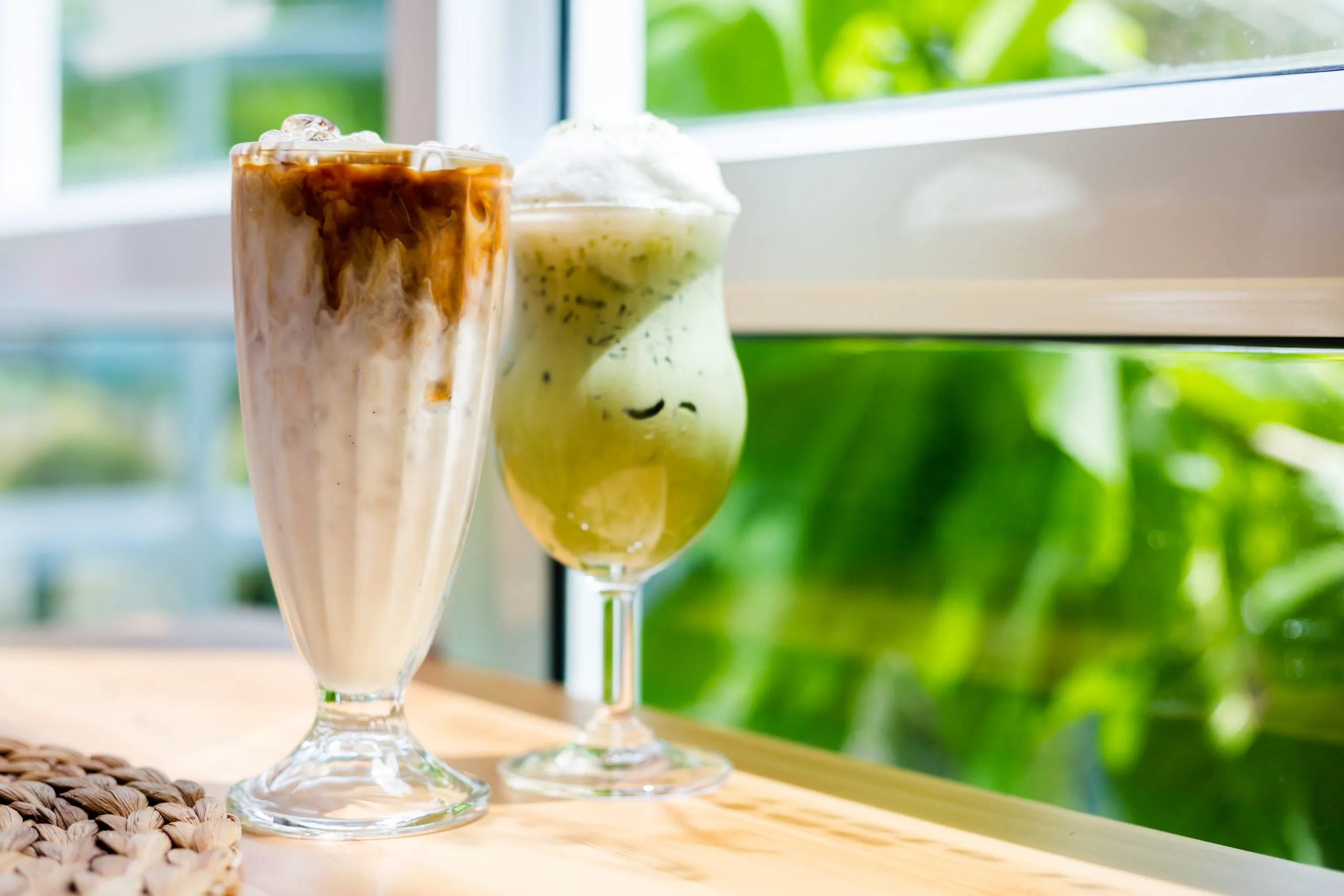
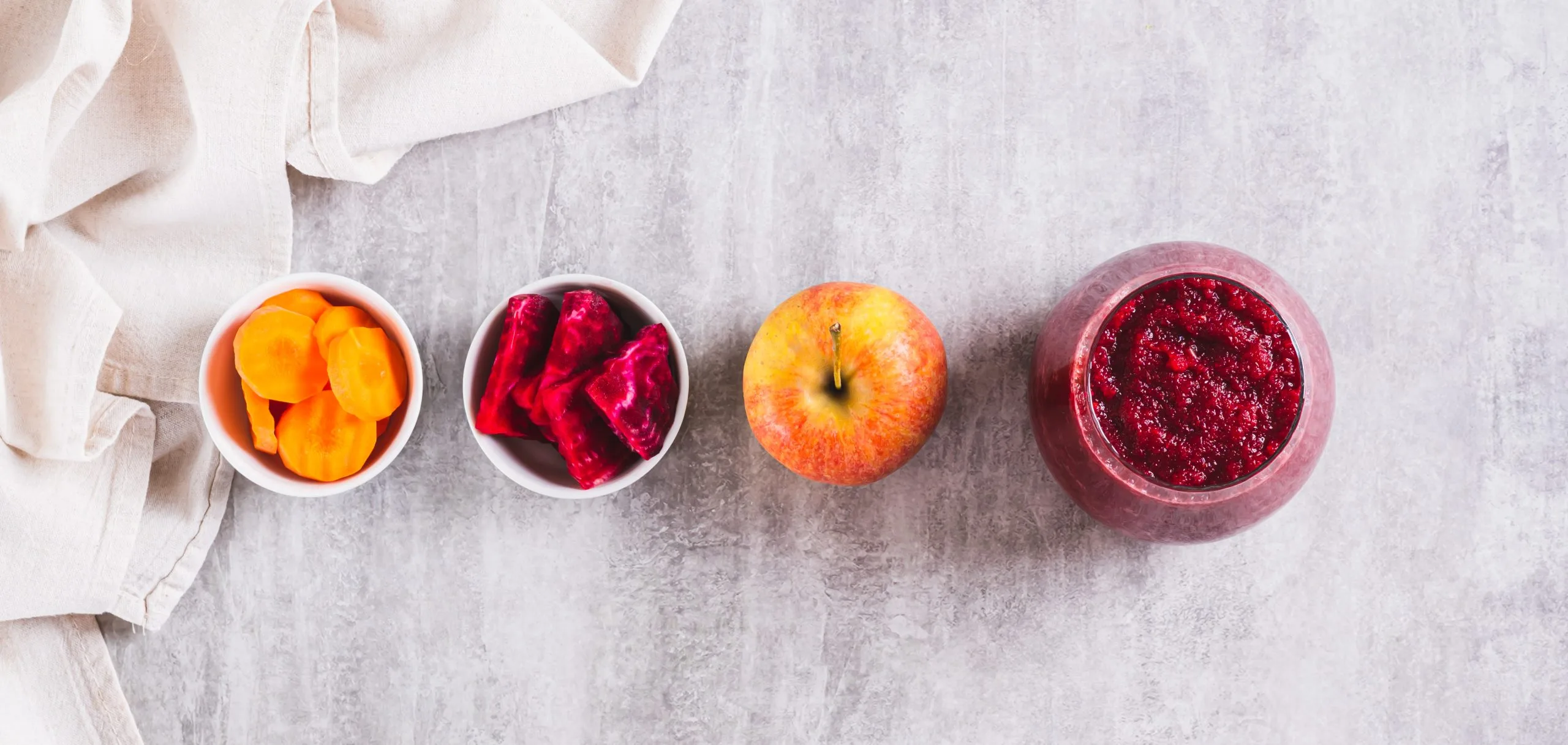
Make drinks your way, with endless possibilities! Frozen Xplosion Original Frappe & Smoothie Base mixes with just about anything: coffee, espresso and cold brew, fresh fruits and veggies, flavored syrups, alcohol and even donuts!

eCommerce Website Design by Wapiti Digital