Running One Frozen Drink Program Across a Hotel or Resort
One hotel frozen drink program for the pool bar, lobby cafe, and banquets. Frozen cocktails, zero-proof drinks, and blended coffee on a single base.
Share This Article


A fruit concentrate works much like a syrup. It is a concentrated flavor liquid you pour into a drink, so it can stand in for bottled syrup in non-blended builds. Operators use Real Fruit Concentrate as the flavor pump for lemonades, sparkling sodas, iced teas, and mocktails over ice. Because strength varies by format, start small, taste, and lock a repeatable house spec before you put a drink on the menu.
If you have stood at the well wondering whether a fruit concentrate can do the same job as a bottled syrup, the short answer is yes, with a couple of things worth understanding first. In a poured, non-blended drink, a concentrate acts as the flavor pump. You add a small pour, top it with the liquid you want, and the drink is finished. That makes Real Fruit Concentrate a practical way to run lemonades, sodas, and iced teas off the same shelf that already powers your frozen program.
This post is about the still, over-ice side of the menu, not blended frappes or smoothies. We will cover what actually separates a syrup from a concentrate, why operators reach for concentrate in poured builds, and how to turn seven flavors into a lineup of lemonades, sparkling sodas, iced teas, and mocktails that a competitor cannot copy straight out of a distributor catalog.
Functionally, they are close enough that you can use one in place of the other in a poured drink. Technically, they are not identical, and the difference is worth knowing before you build a menu around either.
In broad terms, a fruit syrup is a sweetened, reduced flavor liquid, usually fruit juice or fruit cooked down with sugar until it is thick and concentrated. A juice concentrate is fruit juice with most of its water removed. Those are different starting points, but in the glass they do the same job. Both are a concentrated hit of flavor that you dilute back up with water, soda, or tea. For a bartender or a barista, that shared behavior is what matters.
It is a common search, and a fair one. People type fruit concentrate syrup, concentrated fruit syrup, and fruit juice syrup concentrate almost interchangeably because, at the point of use, they are chasing the same thing. They want a small, shelf-friendly bottle that delivers big flavor into a glass. The names differ. The job does not.
One caution on labeling. If you market a drink to guests as containing juice, United States juice-labeling rules under 21 CFR 101.30 require a percent-juice declaration on packaged products that purport to contain juice. That is a regulatory question tied to how you describe and package a drink, not a reason to avoid concentrate, so confirm your own menu wording and any packaging claims rather than assuming. When you want the deeper format comparison, our guide to fruit concentrate versus puree versus fresh fruit lays out where each one fits.
The main reason is reach. One concentrated bottle can flavor several drink formats, which trims the number of single-use mixers behind the bar and keeps a flavor consistent from the blender to the soda gun.
A pre-flavored, single-purpose syrup does one job. A concentrate that already earns its place in your blended drinks can pull a second and third shift in your poured drinks without adding another SKU to the order sheet. That is fewer bottles to count, less shelf to give up, and one flavor language across the whole menu.
There is a menu-building payoff too. When your flavors come from a neutral concentrate rather than a pre-built, name-brand mixer, the drinks on your board are yours. A competitor can buy the same bottled lemonade syrup off the same truck, but they cannot copy a house strawberry-basil lemonade you dialed in yourself. That is harder to price-shop and easier to build a reputation on.
One bottle at the well should earn its shelf space across the whole menu, not just one drink.
A pour of Real Fruit Concentrate over ice, topped with still or sparkling water, is the quickest poured drink you can put up and the easiest place to start.
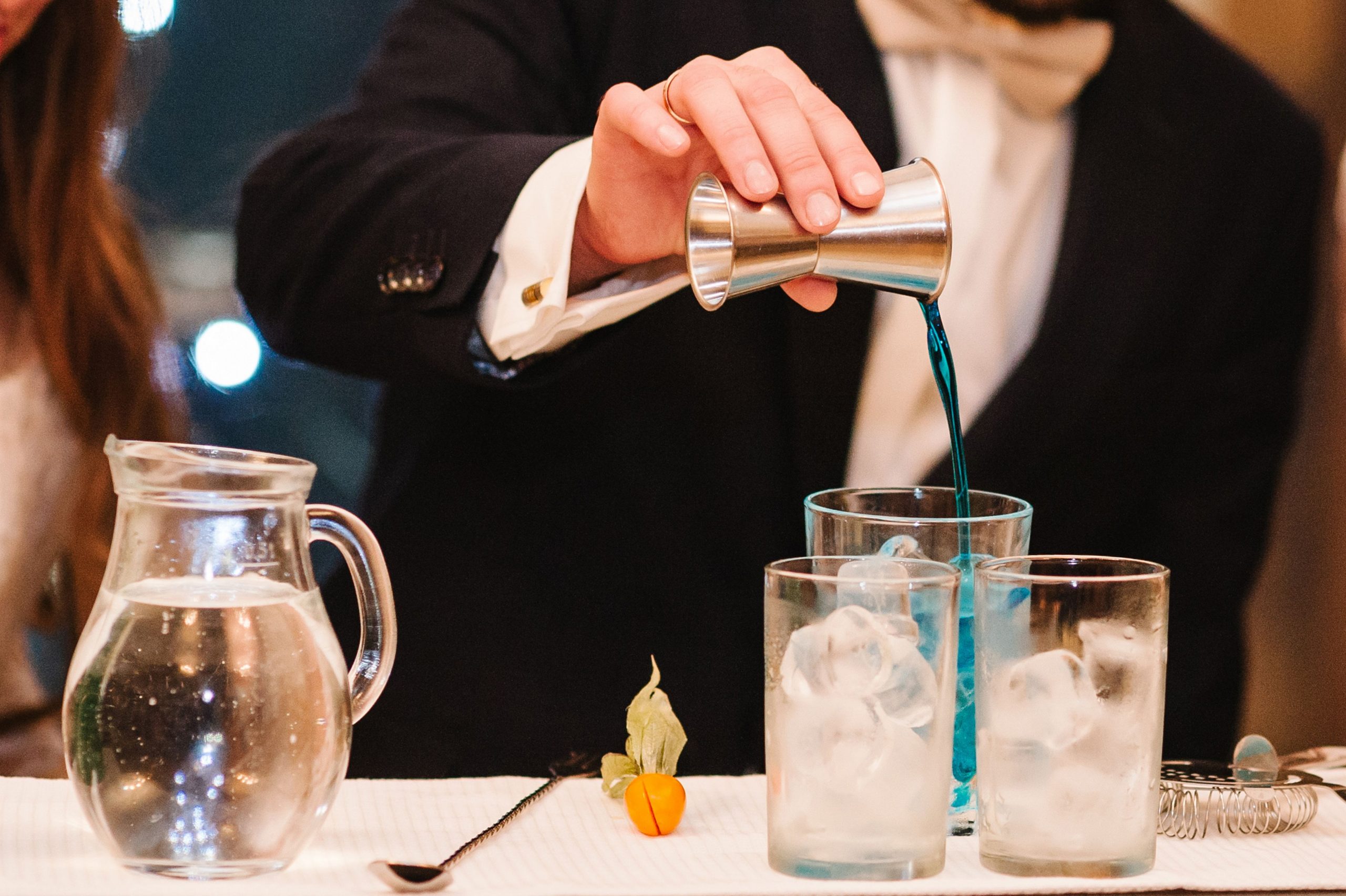
For a lemonade, build over ice with cold water and a squeeze of fresh citrus, then adjust until the balance is where you want it. The concentrate carries the fruit, the citrus brightens it, and you control the sweetness by how much you pour. Strawberry and the straight Lemonade flavor are naturals here, and Blue Raspberry makes a high-visibility drink that photographs well on a summer board.
For a sparkling soda, add the concentrate to the glass first, fill with ice, then top slowly with soda water and give it one gentle stir. Adding the concentrate before the bubbles protects the fizz and saves you from over-stirring. The result is a house soda in the flavor of your choice, built in about the time it takes to pour a draft.
This is also the part of the menu that scales for a rush or an event. Because the flavor lives in a pour you control, you can batch a lemonade base ahead of a busy afternoon, hold it cold, and finish each glass to order with ice and a top of soda. Prep moves to the quiet part of the day, and service stays fast when the counter is slammed.
Concentrate flavors a finished iced tea or a zero-proof cocktail without a second brewing step or a muddling station, which keeps ticket times down when the line is out the door.
Stir a measured pour into brewed, cooled tea and you have a flavored iced tea with no infuser, no fruit to prep, and no waste at the end of the day. Mango over black tea, Wildberry over green tea, or a half-tea, half-lemonade build are all easy wins. Because the flavor comes from the pour, every glass tastes the same whether it is the first of the morning or the last before close.
For mocktails on the rocks, the concentrate is the flavor base. Combine it with soda or tonic, fresh citrus, and a herb garnish over ice for a drink that feels composed rather than poured from a carton. If you are building a full zero-proof section, our guide on how to build a frozen mocktail program walks through the structure. And if your license allows it, the same poured build becomes the base for a spirited drink your bartender assembles, a frozen highball or a blended cocktail, with the concentrate carrying the fruit.
Frozen Xplosion makes Real Fruit Concentrate in seven flavors, and each one has an obvious home in a poured drink.
You can pull single bottles or a six-pack to test the range before you commit a flavor to the board. Orange Cream leans into nostalgic cream-soda territory, Pina Colada gives you a tropical mocktail without a blender, and Mango bridges both tea and soda builds. Use the table as a starting map, then let your own guests tell you which builds earn a permanent spot.
| Flavor | A poured drink it fits | Pairing idea |
|---|---|---|
| Strawberry | Strawberry lemonade | Fresh lemon with still or soda water |
| Mango | Mango iced tea or mango soda | Black tea, or soda water and lime |
| Wildberry | Berry sparkling soda | Green tea or lemonade for a split build |
| Orange Cream | Orange cream soda | Soda water over plenty of ice |
| Pina Colada | Tropical mocktail on the rocks | Pineapple, lime, and soda or tonic |
| Blue Raspberry | Blue raspberry lemonade | Lemonade base with a bright garnish |
| Lemonade | House lemonade or tea-lemonade | Fresh citrus, or a half-tea split |
Because poured drinks vary by glass size, ice level, and how sweet your guests like them, no single pour fits every format, so build your own spec and write it down.
The one published measure for the line is the blended smoothie build, which uses about 1.5 oz of Real Fruit Concentrate in a 12 oz drink. Poured drinks are a different animal, so treat that only as a reference point, not a rule. Start with a small pour, taste, adjust, and when a drink is right, measure the final pour and record it on a spec card the whole team can follow.
That discipline is what makes a drink repeatable across shifts and across staff. For build ideas and jumping-off points, see our recipes, then standardize from there. For sweetness level, ingredients, storage, and shelf life, check the product page or contact the team, since those details are maintained there and are the reliable source rather than a rule of thumb.
It works in both. For a hot drink, stir a small pour into the hot liquid until it dissolves, then adjust to taste. The cold, poured builds in this post are the most common use, but the concentrate is not limited to them.
Storage and handling details are maintained on the product page, so check there or contact the team for the current guidance rather than relying on a general rule. We would rather you have the exact answer for the bottle in your hand.
Yes. Build a flavored base to your house spec, hold it cold, and finish each glass to order with ice and a top of water or soda. Give it a quick stir before service, since flavor can settle as it sits.
Dietary and ingredient details live on the product page, so confirm there or contact the team before you position a drink a certain way on your menu. That keeps your menu claims accurate to the current product.
You can. Splitting a build, for example Strawberry with the Lemonade flavor, is a simple way to expand your menu without adding bottles. Start with a small pour of each, taste, and lock the combination into a spec once it lands.
One neutral-flavored base, unlimited drinks. Add your own ingredients and create a menu your competitors can’t copy.

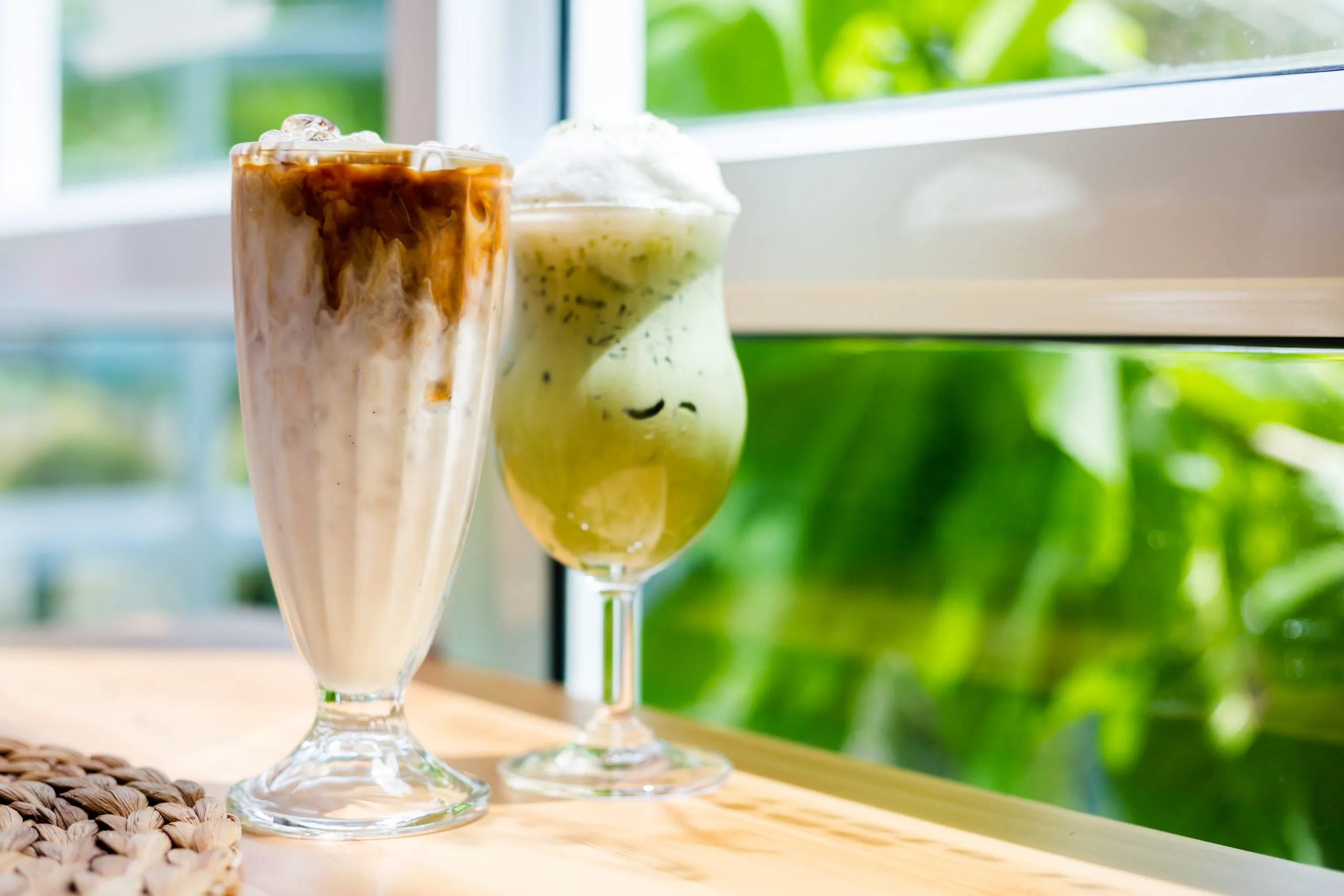
Make drinks your way, with endless possibilities! Frozen Xplosion Original Frappe & Smoothie Base mixes with just about anything: coffee, espresso and cold brew, fresh fruits and veggies, flavored syrups, alcohol and even donuts!

eCommerce Website Design by Wapiti Digital