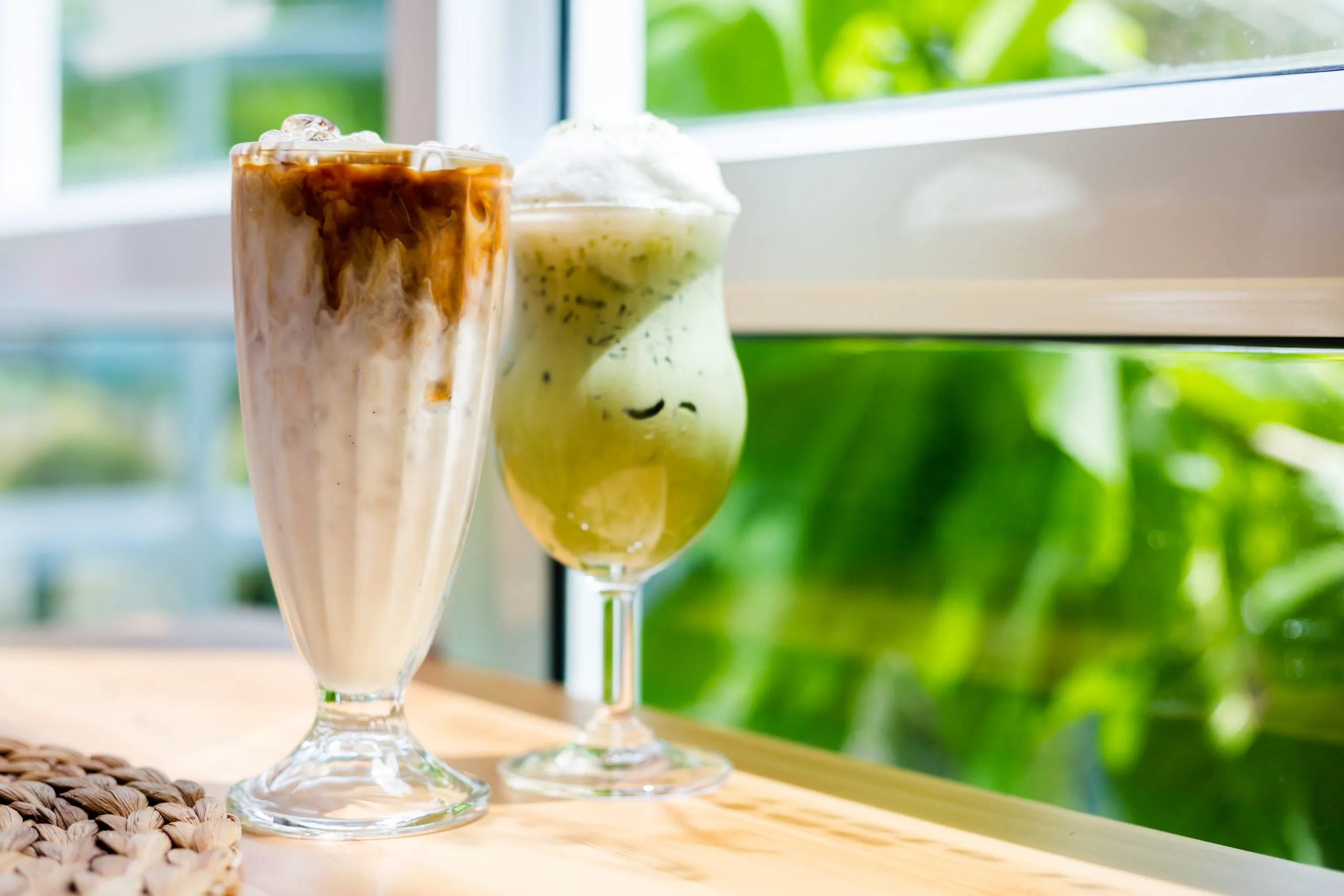
Launching Frozen Drinks at a New Coffee Shop
Launch new coffee shop frozen drinks in 30 days. Trial a sample bag, size your first case order, and train baristas on standard builds.
Share This Article


Blender maintenance is what keeps a frozen drink program consistent, because a worn blade or a clouded jar changes texture long before the machine fails. Rinse between drinks, deep clean daily, and inspect blades, gaskets, and the drive coupling weekly. Blenders sold by Frozen Xplosion are made by Waring, and returns and warranty go directly to Waring. Train staff on the routine and the drinks stop drifting.
Every frozen drink program eventually develops the same mystery. The recipe has not changed, the base has not changed, the staff have not changed, and yet the drinks are somehow not what they were three months ago. Nine times out of ten the answer is sitting right there on the counter, and it is the blender.
Blenders wear out gradually rather than suddenly, which is exactly what makes the decline so hard to catch. A blade that has lost its edge still spins. A jar that has gone cloudy still holds liquid. A drive coupling with play in it still turns. Meanwhile the drinks get slightly icier and slightly less consistent every week. Because The Everybase gives you a fixed starting point that does not drift, the blender becomes the main variable left in the system, and that is worth maintaining on purpose rather than by accident.
Blade wear announces itself in texture rather than in noise or failure, which is why most operators replace blades long after they should have. The motor sounds the same. The jar looks the same. The drink is the only honest witness.
What actually happens is that a worn blade stops shearing ice and starts pushing it around. Drinks take longer to come together, small chunks survive to the straw, and the texture separates faster in the cup. Staff then do the reasonable thing and blend for longer, which warms the drink through friction and thins it out. Now you have two problems stacked on each other, and the recipe is getting blamed for neither of them.
The useful habit is to treat texture drift as a maintenance signal rather than a recipe question. If the same build that worked in March needs an extra ten seconds in June, the blender is telling you something before it ever throws a fault.
Rinse the jar between drinks, every time, because residue that dries in place is what turns a clean blender into a slow maintenance problem. This is the single highest-return habit in the whole routine and the first one to disappear during a rush.
Frozen drink bases are sugar-forward by nature, and sugar residue dries quickly into a film that is sticky, largely invisible, and very happy to sit in a gasket groove. Left alone it carries flavor from one drink into the next, and it slowly degrades the rubber and plastic parts that were never designed to soak in it.
A daily clean has to reach the parts you cannot see from the front, because everything visible already got handled by the between-drink rinses. The whole point of the end-of-day routine is the hidden surfaces.

None of this takes long once it is a habit. What makes it feel long is doing it inconsistently, because then every deep clean is really a catch-up clean for the three days you skipped.
Inspect weekly for wear you can see and feel, because equipment failures during a Saturday rush are almost always things that were visible the previous Tuesday. Put the schedule somewhere physical and it will actually get done.
| Frequency | Task | What it prevents |
|---|---|---|
| Between drinks | Rinse the jar, pulse clean water, wipe the drive pad | Flavor carryover and dried-on residue |
| Daily | Full disassembly per the manual, clean blades, gasket, jar, and coupling | Hidden buildup and premature seal wear |
| Weekly | Inspect blades for dullness or nicks, check gasket for cracking, feel the coupling for play | Mid-service failures and texture drift |
| As needed | Replace blades, gaskets, and jars per the manufacturer’s guidance | Blending longer to compensate for worn parts |
A maintenance problem and a recipe problem look identical from the customer’s side of the counter, so check the equipment before you start rewriting the build. This is the mistake that quietly wrecks otherwise well-run programs.
Here is how it goes wrong. Drinks get icier, so someone adds a little more base. That helps for a few weeks, so it becomes the new standard. The blender keeps degrading, so someone adds a little more again. Six months later you are running a recipe nobody chose, using more product per drink than you costed for, on a blender that still needs replacing. The recipe absorbed the equipment problem and hid it.
The defense is a fixed, written build that nobody adjusts casually. The standard is two ounces of base for a twelve ounce drink and three ounces for a sixteen ounce drink, and the builds on the recipes page all work from those same ratios. When the build is fixed and the base does not vary, any drift you see has to be coming from somewhere else, and that is precisely the diagnostic you want.
Blenders sold by Frozen Xplosion are manufactured by Waring, and blender returns and warranty claims go directly to Waring rather than through Frozen Xplosion. Knowing that in advance saves a round trip when something fails, which is never at a convenient moment.
For anything on the product side, from build ratios to how a base behaves in a particular setup, the FAQ page covers the common ground, and questions specific to your equipment or volume are worth sending through the contact page. Splitting those two lanes clearly, equipment to the manufacturer and product to the supplier, is the fastest way to get a real answer instead of a referral.
Build the maintenance steps into the existing shift routine rather than teaching them as a separate skill, because anything framed as extra work is the first thing dropped when the line backs up.
If the recipe has not changed and the drink has, stop editing the recipe and look at the equipment.
The base works with any blender, which is why home users and small operations can run the same product a cafe does. The difference commercial equipment buys you is duty cycle rather than capability. A machine built for continuous service handles back to back drinks all day without heat soak, while a domestic motor needs recovery time. If you are blending occasionally, a standard blender is genuinely fine.
For a twelve ounce blended coffee the build is two ounces of base plus one shot of espresso or three ounces of cold brew, along with a heaping twelve ounces of ice. Ice is the variable most likely to be eyeballed, and it is also the one that changes texture most, so scoop it rather than estimating it. Consistent ice is half of consistent texture.
That depends entirely on the model, and the manufacturer’s documentation is the only reliable answer. Some jars and blade assemblies are dishwasher safe and some are damaged by the heat and detergent. Where a jar has gone cloudy or hazy over time, repeated dishwasher cycles are a common cause, and a clouded jar makes fill lines harder to read even though it still functions.
It is not harder, but it is sugar-forward, so timing matters more than effort. Rinsed while wet it clears with water alone. Left to dry it forms a film that needs actual scrubbing. The practical difference between an easy cleaning routine and a tedious one is almost entirely whether the rinse happens within a minute or within an hour.
Roughly thirty seconds of blending, and about sixty seconds from bag to finished drink including the build and the topping. If your team is routinely blending well past that to get a smooth result, treat it as a signal rather than a technique problem. Longer blending warms the drink and thins the texture, so a creeping blend time usually points at ice, portioning, or a worn blade.
One neutral-flavored base, unlimited drinks. Add your own ingredients and create a menu your competitors can’t copy.
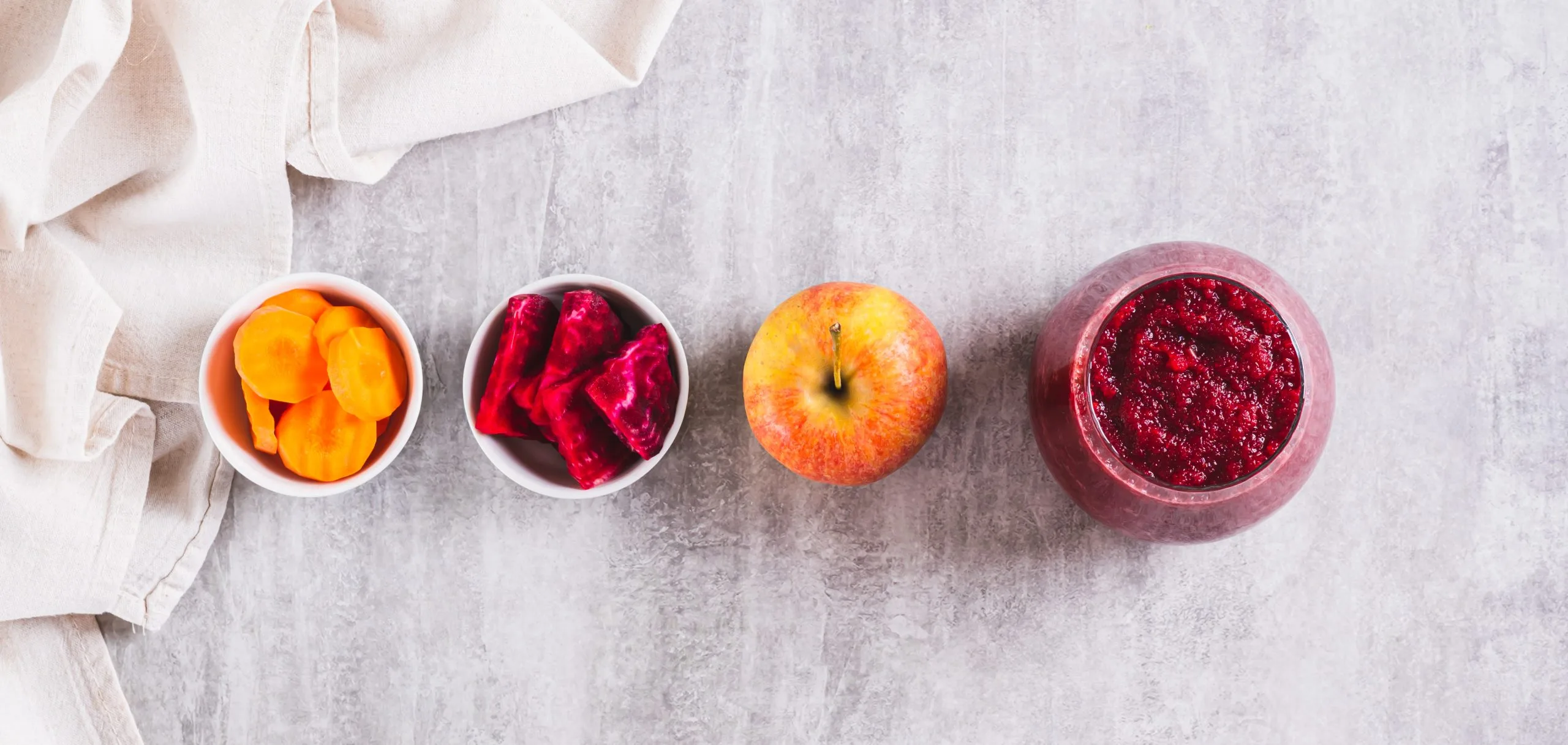
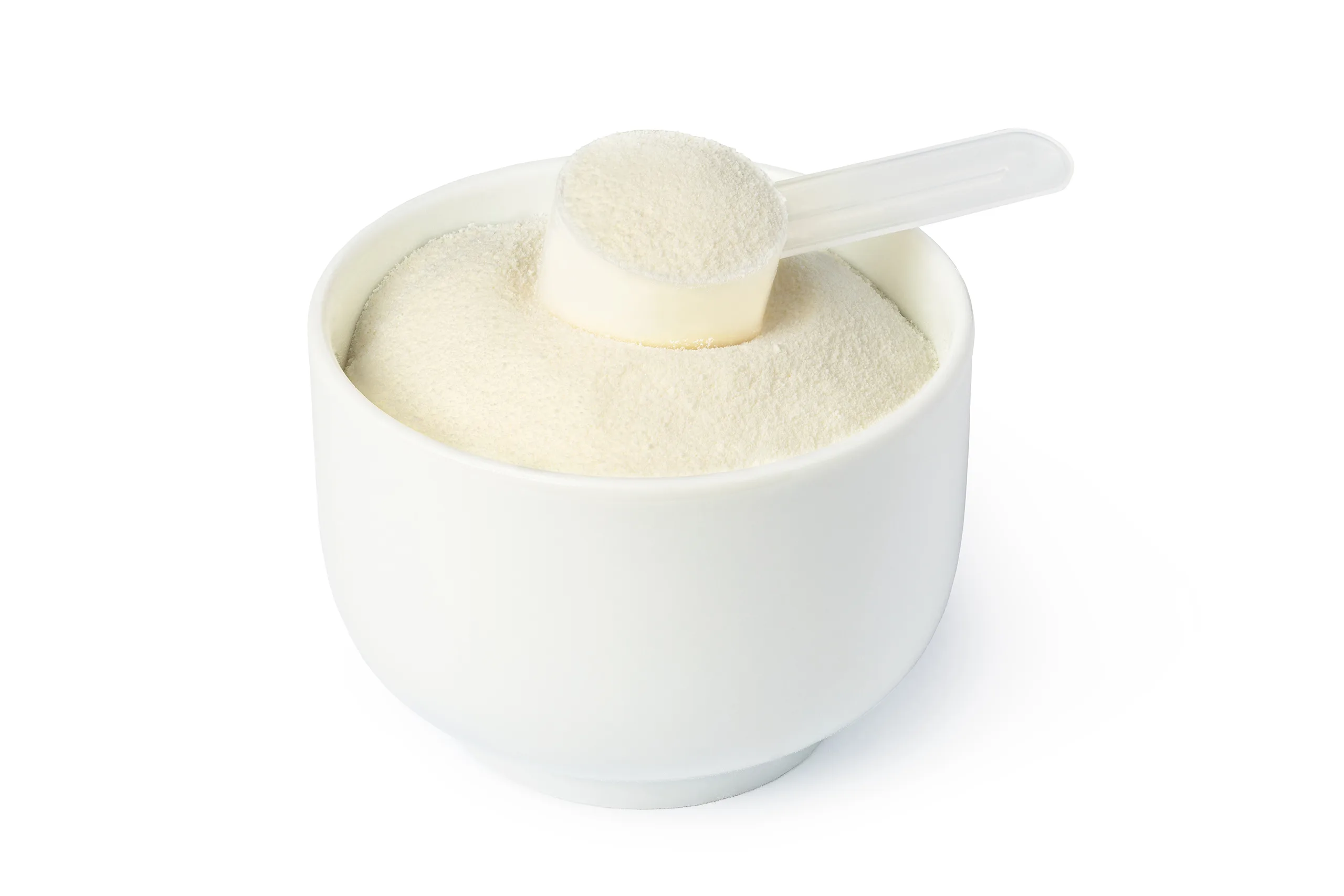
Make drinks your way, with endless possibilities! Frozen Xplosion Original Frappe & Smoothie Base mixes with just about anything: coffee, espresso and cold brew, fresh fruits and veggies, flavored syrups, alcohol and even donuts!

eCommerce Website Design by Wapiti Digital