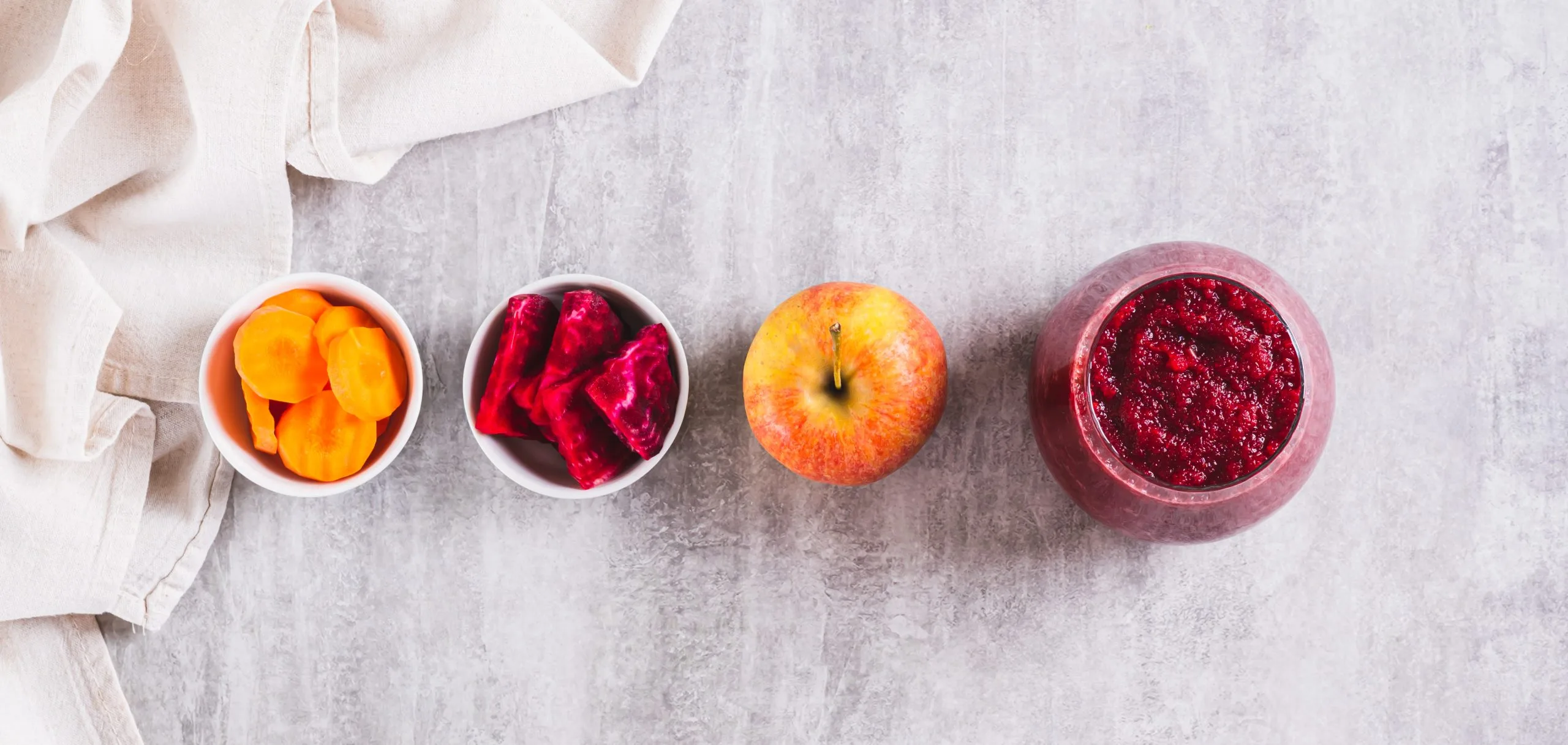
Fruit Concentrate vs Puree vs Fresh Fruit
Fruit concentrate vs puree vs fresh fruit for smoothies. Compare cost, shelf life, consistency, labor, and waste to pick the right format for your shop.
Share This Article


A frozen mocktail program is a short, standardized menu of zero-proof blended drinks built from a neutral base, Real Fruit Concentrates, water, and ice. Start with four to six drinks across distinct flavor lanes, write a spec card for each, batch your prep before every rush, invest in garnish and glassware, and cost each drink from your own case pricing so the program stays profitable as it grows.
Guests who skip alcohol still want a drink that feels like an occasion. A frozen mocktail program gives them that with a short, well-built menu of zero-proof blended drinks that look and taste as deliberate as anything else you serve. You also don’t need a new bar setup to build one. A neutral base, a lineup of Real Fruit Concentrates, a blender, and ice cover most of the work.
This guide covers the full build, from menu engineering and recipe specs to batching, garnish, margin, and staff rollout. It is written for coffee shops, cafes, restaurants, and bars that want a premium mocktail system they can actually run on a busy shift. It is not a list of products to compare. It is a plan you can put to work.
Zero-proof drinks deserve their own program because guests who choose them now expect a real menu, not a soda and a shrug. Trade coverage of the non-alcoholic category has pointed to steady growth for several years. Exact figures vary by source and market, so treat any single number with caution, but the direction has been consistent.
The guests behind that demand are easy to picture. Designated drivers, families, midday business lunches, people taking a break from drinking, and people who simply never drank all want something better than a fountain refill. When the zero-proof options feel like an afterthought, those guests order water and spend less.
A frozen format also stands out. Many non-alcoholic menus lean on sparkling drinks and bottled options, so a blended, colorful, garnished drink gives you something competitors are less likely to offer. It works across very different operations, and you can see how the base fits drive-thrus, cafes, restaurants, and bars in practice.
A strong frozen mocktail menu is short, covers a few distinct flavor lanes, and is built from components you already stock. Four to six drinks is usually enough to give guests a real choice without slowing the line or crowding your station.
Think in lanes rather than individual recipes. Each lane should appeal to a different guest, so the menu never offers two drinks that feel the same.
Menu engineering matters as much as flavor. Give the mocktail section the same design weight as your cocktails or signature coffee drinks, name every drink, and put your fastest, most profitable build in the most visible position. For flavor pairings and starting points, browse the recipe library and adapt the builds to your own naming and garnish style.
Standardize each drink with a written spec card so every shift pours the same volume, texture, and flavor. Consistency turns a good drink into one guests come back for, and it keeps your cost per drink predictable.
The standard 12 oz fruit build is 2 oz of base, 1.5 oz of Real Fruit Concentrate or real fruit, 3 oz of water, and ice. For a 16 oz cup, the base goes up to 3 oz. Test the remaining 16 oz components on your own equipment and record the results so nobody guesses during a rush.
| Spec element | 12 oz build | 16 oz build |
|---|---|---|
| Base | 2 oz | 3 oz |
| Fruit component | 1.5 oz Real Fruit Concentrate or real fruit | Test and record on your spec card |
| Water | 3 oz | Test and record on your spec card |
| Ice | Fill to your house line | Fill to your house line |
| Blend time | About 30 seconds | About 30 seconds |
| Finish | Garnish per spec card | Garnish per spec card |
The base blends creamy with just water and ice, so there is no milk to pour, track, or refrigerate for these builds. Put the blender program or speed setting on each card as well. Two operators using different settings will produce two different textures from the same recipe.
Keep the cards laminated and posted at the station. Include a photo of the finished drink so new staff can match the look as well as the recipe.
Batch the parts that hold and blend the parts that don’t, so every drink reaches the guest freshly blended. Good prep is what lets a frozen program keep pace with the rest of your menu when the room fills up.

With portions staged, a finished drink takes roughly 60 seconds from bag to glass. Arrange the station in build order: base, concentrate, water, ice, blender, then garnish. Staff should never have to cross the station or turn around to finish a drink.
Presentation does most of the work of making a zero-proof drink feel premium, and it usually costs very little. Guests judge the drink the moment it lands, often before the first sip.
If a mocktail looks like an afterthought, guests will treat it like one.
Photograph each finished drink under the same light and use those photos on your menu board, website, and social channels. Consistent images also reinforce the spec card, because staff can see exactly what the finished drink should look like.
Margin on frozen mocktails stays healthy when you cost every spec card from your own invoices and price the drink as a crafted item, not a soft drink. The build is simple, so the math is too.
Buying volume changes the per-ounce cost, and case orders generally cost less per ounce than smaller packs. Shipping is free on orders of one case or more. Check current case pricing in the shop and plug your real figures into the formula above rather than relying on an estimate.
The structure of the program protects margin too. The same base that builds your mocktails also builds frappes and smoothies, so you don’t have to add a line of pre-flavored powders to launch zero-proof drinks. A base supply fits in about two square feet of storage, which keeps back-of-house space free for other stock.
Launch with a tasting, a trained crew, and a visible menu callout, then adjust after a few weeks of real sales. A clear rollout makes the program feel intentional to both staff and guests.
Tailor the rollout to your operation. A drive-thru benefits from the shortest possible menu and the fastest builds. A restaurant can pair each mocktail with dishes on the food menu, while a bar can place a zero-proof section right beside its cocktail list so every guest at the table has a crafted option.
Yes. The base is neutral, so it builds frappes and blended coffee as well as fruit-forward frozen drinks, granitas, and slushies. The flavor comes from what you add, such as espresso for a frappe or a Real Fruit Concentrate for a mocktail, so both menus can run from a single product.
The Vegan base is vegan safe and made without artificial flavors, colors, or preservatives, so it fits a menu that calls out those attributes. If you need gluten free or Kosher Certified drinks, the Original base carries those claims. Review each product page before printing any claims on your menu.
Give mocktails their own clearly titled menu section and mark each one as zero-proof. Avoid borrowing a cocktail name without that marker, use a signature garnish or glass so servers can tell drinks apart at a glance, and have staff confirm the order when it is placed.
Start with a 12oz sample bag of base and one or two fruit concentrates. Test your spec cards with a small crew, run a limited menu for a few weeks, and move to case orders once you know which drinks sell.
Share the manufacturer’s statement as written: “This product contains ingredients derived from milk and soy. Manufactured in a facility that processes Milk, Soy, Wheat, and Eggs.” Never describe the drinks as allergen free, and refer guests with specific concerns to the nutrition and ingredients page or a manager.
One neutral-flavored base, unlimited drinks. Add your own ingredients and create a menu your competitors can’t copy.
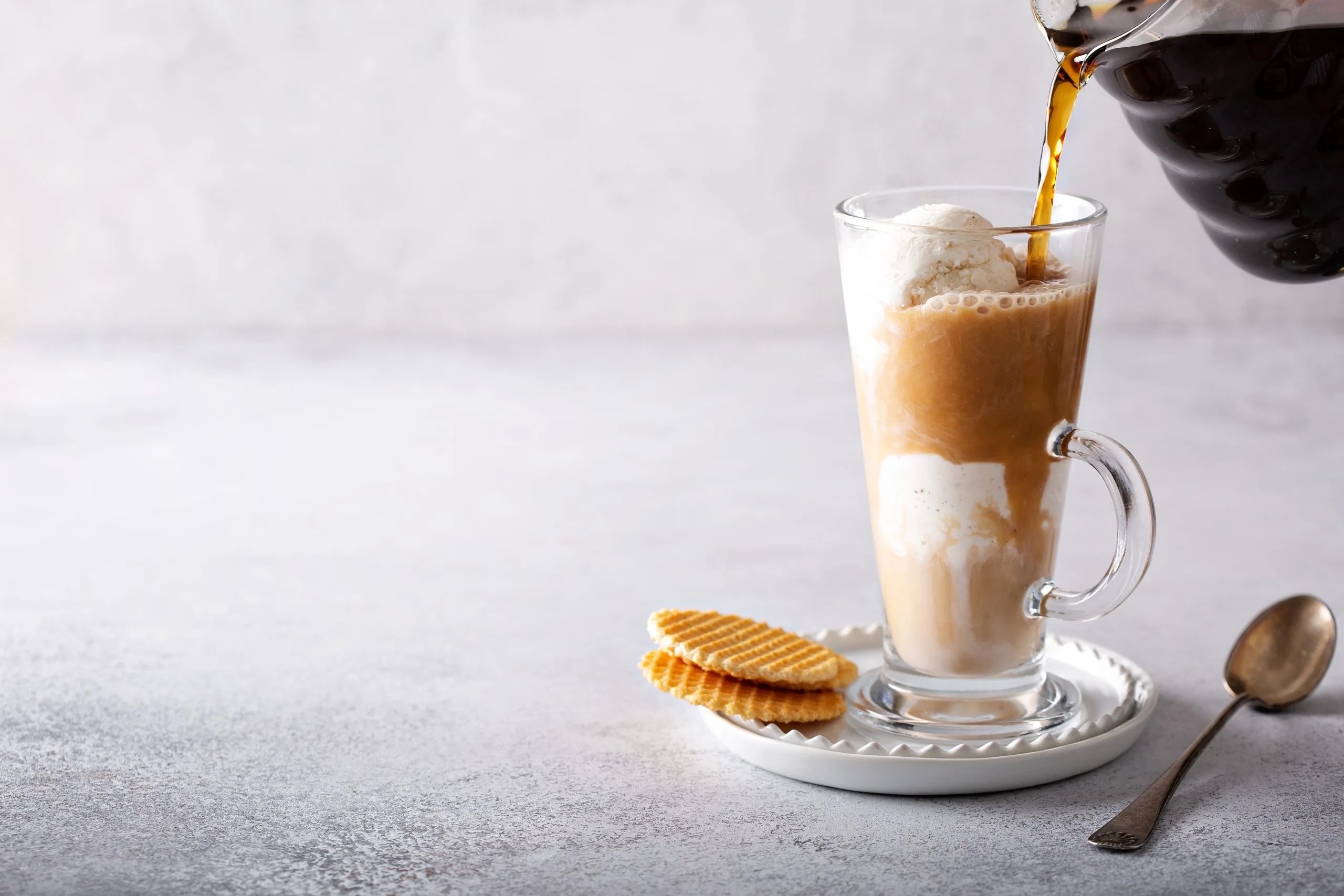
Make drinks your way, with endless possibilities! Frozen Xplosion Original Frappe & Smoothie Base mixes with just about anything: coffee, espresso and cold brew, fresh fruits and veggies, flavored syrups, alcohol and even donuts!

eCommerce Website Design by Wapiti Digital