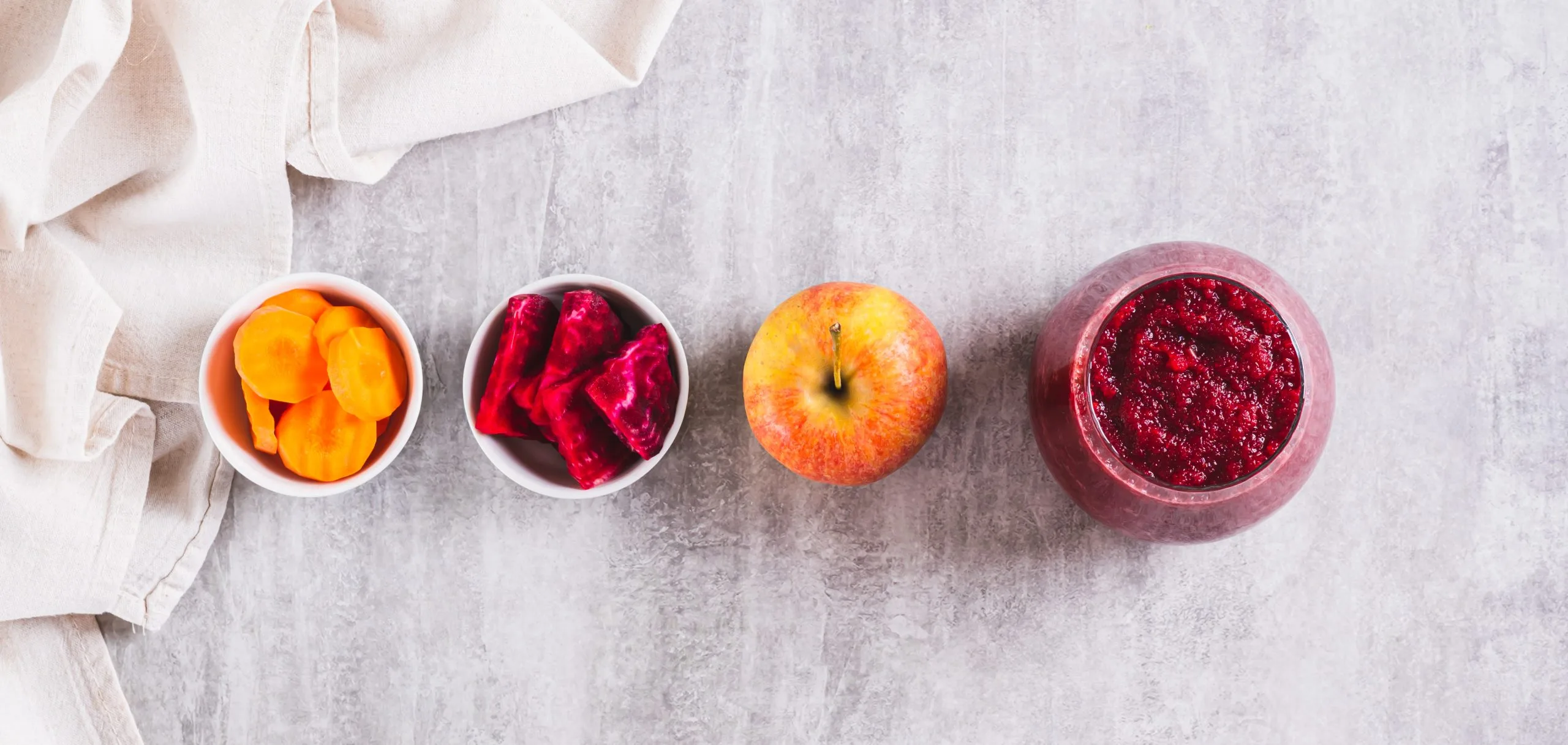
Fruit Concentrate vs Puree vs Fresh Fruit
Fruit concentrate vs puree vs fresh fruit for smoothies. Compare cost, shelf life, consistency, labor, and waste to pick the right format for your shop.
Share This Article

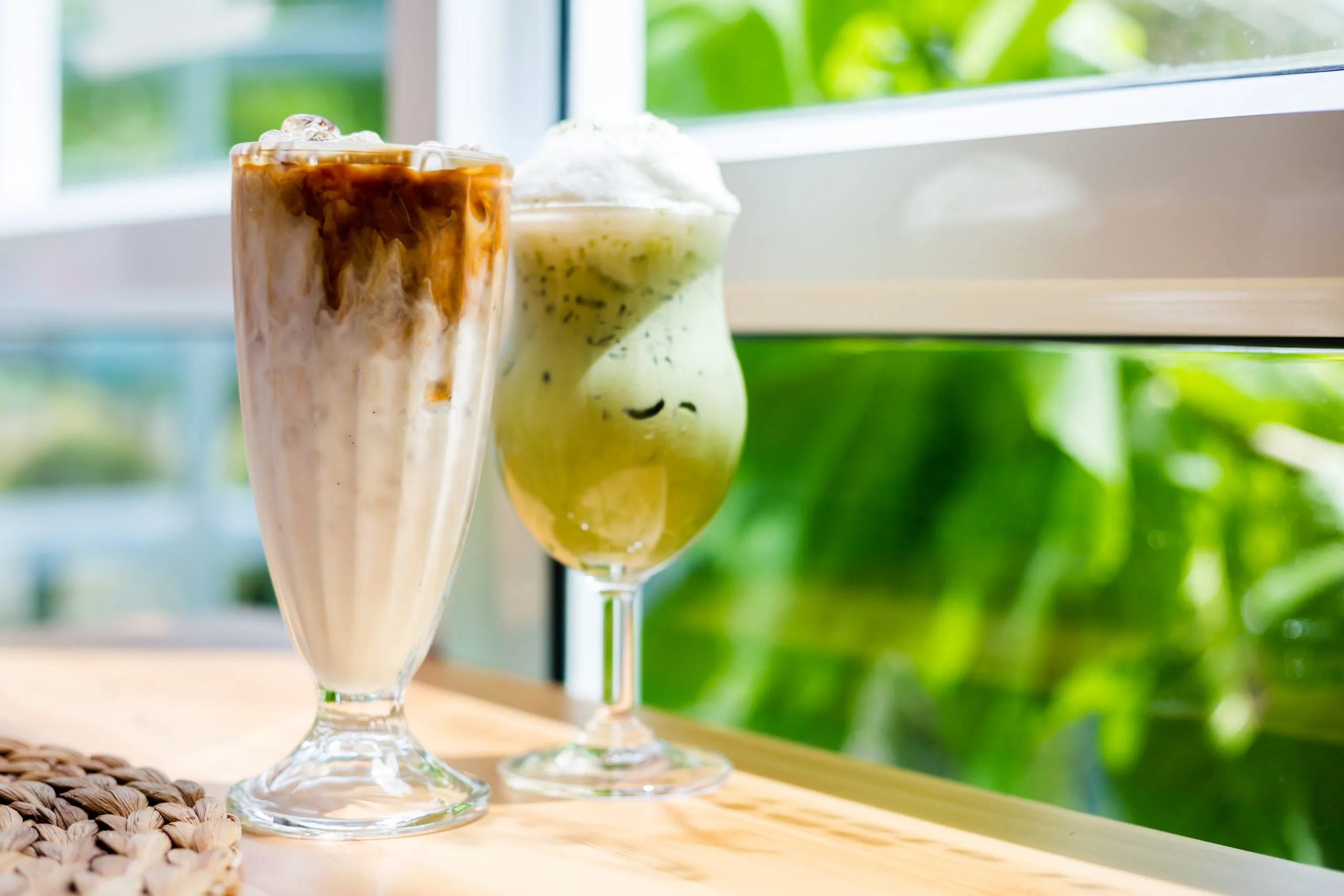
Launching frozen drinks at a new coffee shop works best as a first 30 days sequence rather than a rushed add-on. Start by trialing a neutral base with a sample bag, size a conservative first order, confirm your blender, and build a lean menu from one base. Then train every barista on standard build ratios so each drink is fast and repeatable. One versatile base keeps stock, storage, and training simple from day one.
Adding frozen drinks to a brand-new coffee shop can be one of the strongest margin moves you make in your first month, but only if you treat the launch as a sequence instead of a last-minute scramble. A frozen program touches your ordering, your equipment, your menu, and your staff training all at once, so the shops that pull it off cleanly are the ones that stage each piece in order. If you are opening soon, or you just opened and want to add blended drinks, a simple 30 day plan keeps the rollout calm and repeatable rather than chaotic on a busy morning.
Frozen Xplosion makes a neutral frappe and smoothie base built for exactly this kind of operator, and the same base powers coffee shops, cafes, drive-thrus, restaurants, and bars across the country. You can see the full range of operators it serves on the who we serve page. The rest of this guide walks the launch as four weeks: trial, order and equip, menu and train, then a soft launch you can actually control.
The safest first step is to trial the base yourself with a single sample bag before you order for the floor. A neutral base blends creamy with just water and ice, so you can test real builds on your own blender in an afternoon and decide whether the texture and flavor fit the drinks you want to sell. Testing first means your opening menu is based on drinks you have actually made, not a spec sheet, and it gives you confidence when a customer asks how something tastes on day one.
Order a low commitment quantity to start. The single sample bag is enough to dial in a handful of builds, and smaller 12 oz sample bags exist if you only want a quick taste test. Blend a plain frappe, a blended coffee, and one flavored version, and note the ratios that taste right to you. Those notes become the first draft of the build cards you hand your staff later in the launch.
Keep the trial honest. Make the drinks the way a busy barista would, with the same ice and timing you expect during a rush, so the version you approve is the version you can actually reproduce at volume. A drink that only works when you have all the time in the world is not a drink you can put on the menu.
Order for the traffic you realistically expect in your first few weeks, then reorder as demand proves itself. New shops almost always overestimate opening volume, and a neutral base is shelf stable with no refrigeration required, so there is no penalty for starting conservative and topping up. You avoid tying cash up in stock before you know your real numbers, which matters most in the weeks when every dollar is already spoken for.
The base comes in several pack sizes so you can match the order to your stage. A few of the ways operators buy it:
Case pricing is the most efficient per bag, and Frozen Xplosion ships one case or more free every time, so many shops move to case ordering as soon as their numbers support it. You can compare the current pack options and order directly from the shop. Keep opening week cost directional in your own planning and revisit it once you have a week or two of real sales behind you.
A four week sequence turns a frozen launch from a scramble into a checklist, with each week unblocking the next. Use the timeline below as your backbone and shift the dates to fit your own opening.
| Week | Focus | Key actions |
|---|---|---|
| Week 1 | Trial the base | Order a sample bag, blend test builds with water and ice, pick your default drinks. |
| Week 2 | Order and equip | Place a conservative first order, confirm your blender, set up a dedicated blending station. |
| Week 3 | Menu and train | Finalize a lean menu, write standard build cards, train every barista on the ratios. |
| Week 4 | Soft launch | Run frozen drinks in real service, watch ticket times, adjust portions, and reorder. |
You do not need exotic equipment to launch frozen drinks, because the base blends with any standard blender. What matters more is having a dedicated, uncluttered blending station so a frozen order does not slow down your espresso line during a rush. Decide where the blender lives, where the base bag sits, and where ice is within arm’s reach before you open, because a workflow you invent mid service is a workflow that costs you tickets.
If you want a blender matched to the program, Frozen Xplosion sells commercial blenders manufactured by Waring. Those blender warranties and returns are handled directly by Waring, so keep that paperwork with your equipment records rather than filing it with your base orders. Whatever machine you run, test it with your approved builds so you know it handles your ice load without stalling on a full pitcher.
Set the station up the way it will run on your busiest morning. A clean workflow at the blender is the difference between a fast frozen ticket and a bottleneck that backs up your whole line.
Launch with a short menu built entirely on one neutral base, then expand once the program is steady. A single base is designed to replace dozens of pre-flavored powders, which means a new shop can offer a full frozen lineup without a wall of single use SKUs. Fewer inputs means simpler ordering, simpler storage, and far less to teach your opening crew in the weeks when you are already teaching them everything else.
The core base, the Everybase, is built to carry a whole frozen section. From one base your opening menu can include:
Four or five launch drinks are plenty. A tight menu is faster to train, faster to pour, and easier for customers to choose from, and you can always add drinks once your baristas are confident and your numbers are steady.

Standardize each drink to a fixed ratio so any barista pours the same drink every time. Consistency is what turns a frozen program into repeat business, and it starts with writing down exact builds rather than leaving portions to feel. The base uses simple, memorable ratios that are easy to put on a build card and easy for a new hire to remember under pressure.
The standard builds are straightforward:
Post the ratios at the station and have each barista make every drink on the menu before opening day. When the whole team builds from the same card, your quality stays even whether it is the morning rush or a slow afternoon, and a new hire next month inherits a system instead of a guess.
One base, a short menu, and a trained crew will carry a new shop’s entire frozen section.
Yes. A neutral base is shelf stable and needs no refrigeration, and it stores in roughly two square feet, so even a compact new shop can run a full frozen menu without adding cold storage or dedicating much shelf space.
About a minute. Once a barista knows the build, a blended drink comes together in roughly 60 seconds from bag to cup. Because the base blends with just water and ice, there is no milk to steam, which keeps frozen tickets moving during a rush.
It depends on your customers. The Original base is the most popular option and is gluten free and kosher certified, made with 11 ingredients. The Vegan base is a clean label choice with no artificial flavors, colors, or preservatives, made with 16 ingredients, and it is not gluten free or kosher. Both are dairy free and blend creamy with just water and ice.
Both bases are dairy free and blend creamy with only water and ice, so you can serve frozen drinks without milk. Note the full allergen statement for guests with allergies: This product contains ingredients derived from milk and soy. Manufactured in a facility that processes Milk, Soy, Wheat, and Eggs.
Either works, as long as you trial and train first. Many new shops launch a small frozen menu on day one after approving their builds, while others add it a week or two after opening once the espresso flow is smooth. The key is that your team has practiced the standard builds before the drinks hit the board.
One neutral-flavored base, unlimited drinks. Add your own ingredients and create a menu your competitors can’t copy.
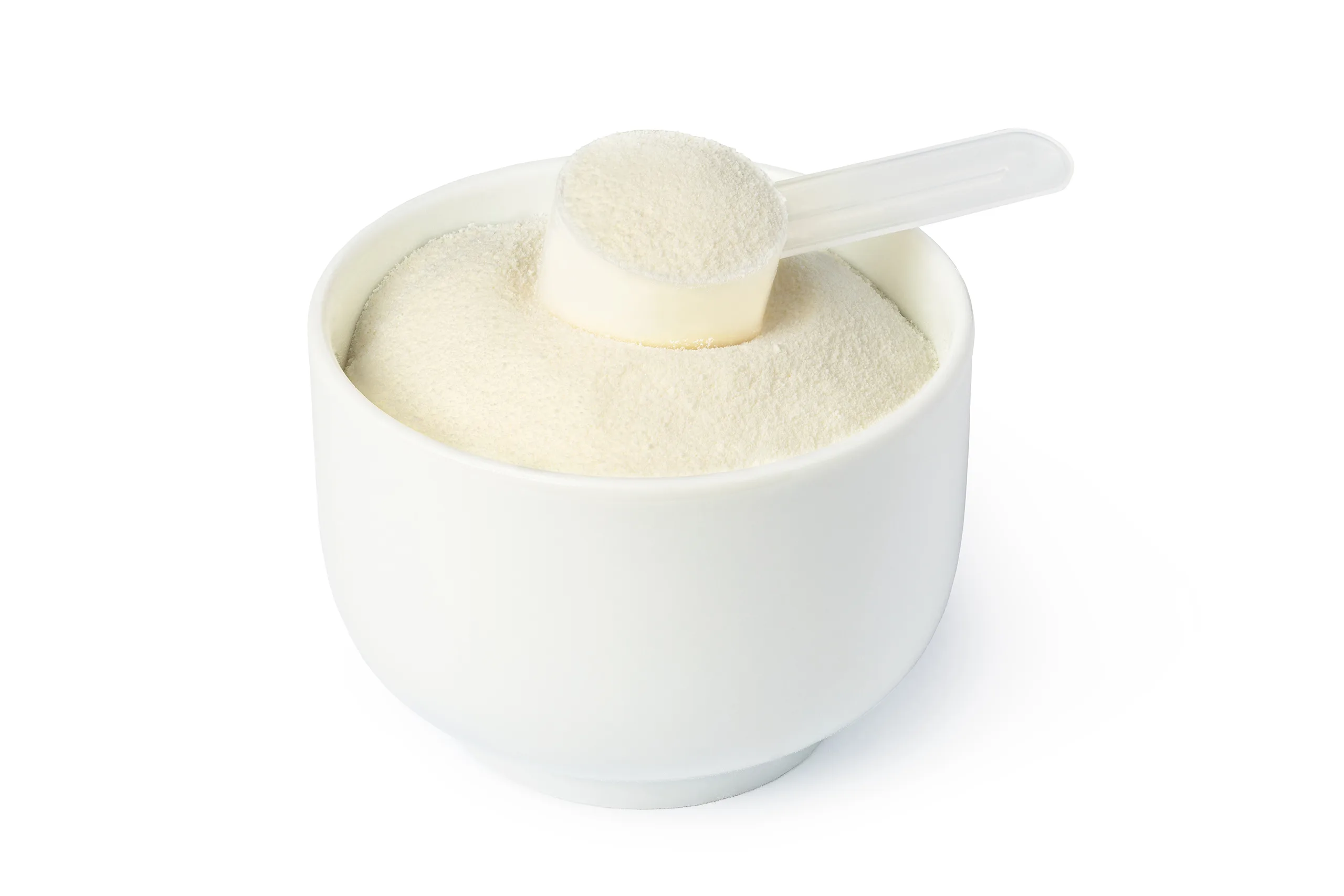
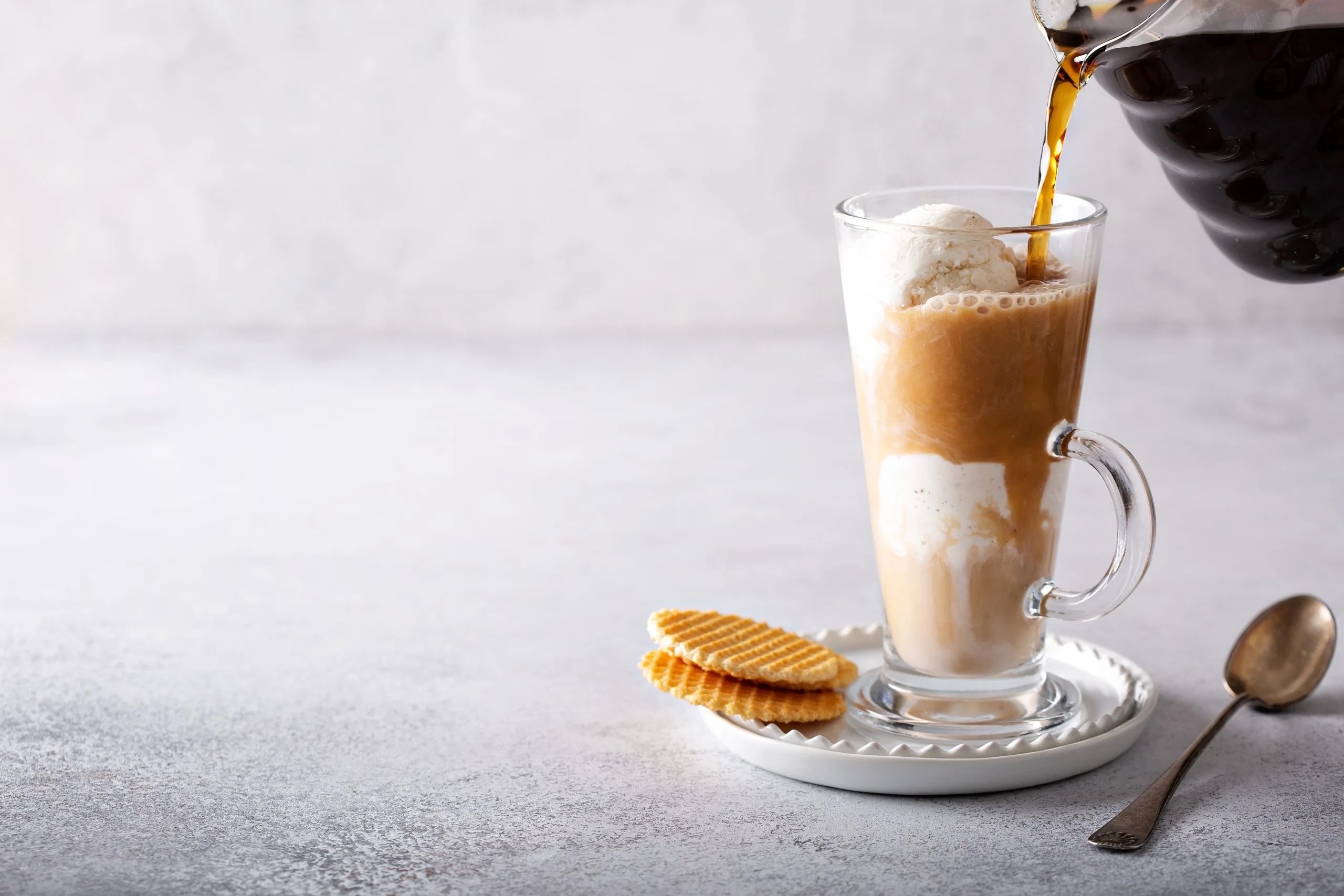
Make drinks your way, with endless possibilities! Frozen Xplosion Original Frappe & Smoothie Base mixes with just about anything: coffee, espresso and cold brew, fresh fruits and veggies, flavored syrups, alcohol and even donuts!

eCommerce Website Design by Wapiti Digital