
What Blending Powder Does in a Blended Drink
Blending powder for drinks adds body and creaminess to a blended drink. See when one neutral base replaces a flavor syrup plus a separate binder.
Share This Article


Adding a neutral frozen base to a distribution catalog is a different sale from adding another flavored powder. One SKU serves coffee shops, restaurants, bars, and drive thrus, so the line moves across accounts rather than sitting in one category. Frozen Xplosion supports distributors with exclusive pricing, dedicated account management, sales and product training, and marketing support. The sales motion is sampling and demonstration, not a catalog listing.
Most beverage powders arrive in a distributor’s catalog the same way. They get a line, a photo, and a code, and then they wait for someone to order them. A few move. Most become the items your reps mention when they have run out of other things to talk about.
A neutral base does not behave like that, and treating it as another catalog line is the most common way distributors fail to get value from it. It is not a flavor competing against other flavors. It is a platform product that changes what an account can put on their menu, which makes it a conversation rather than a listing. Distributors sit alongside the operators on the who we serve page precisely because the relationship works differently at each level.
The strategic difference is that one product serves accounts you currently treat as separate segments. A pre-flavored mocha powder sells to coffee accounts. A neutral base sells to coffee shops, restaurants, bars, drive-thrus, and dessert programs from the same case.
The Everybase covers frappes and blended coffee, fruit smoothies, granitas and slushies, frozen cocktails, dairy-free soft serve, hot drinks, and baked goods. For a distributor that breadth matters more than it does for any single operator, because it means the same line item is relevant on almost every call you make rather than on a quarter of them.
It also concentrates your own inventory. One product that lands in five account types is easier to forecast, easier to warehouse, and easier to train a sales team on than five products that each land in one. The simplification argument you make to an operator applies to your own operation at a larger scale.
The distributor relationship is built around four things, and they are worth knowing before you evaluate the line rather than after. These are the supports that determine whether a product moves or sits.

The training piece is the one distributors underuse most often. A rep who can explain that one base replaces a shelf of flavored powders is doing product description. A rep who can walk into a cafe, build a drink, and hand it to the owner is doing something else entirely, and the second conversation closes at a rate the first one does not approach.
Sell this product by making a drink in front of the account, because the entire proposition is a texture and a workflow that nobody believes from a description. An operator who has been burned by a thin, icy powder is not going to take your word for it, and they should not have to.
The demonstration is short. The standard build is two ounces of base for a twelve ounce drink and three ounces for a sixteen ounce drink, blended with water and ice. No milk is required, which is usually the moment the operator leans in, because it means one product with no cold chain attached to it. Roughly a minute from bag to finished drink, made on their counter with their ice.
Leave a sample bag behind. An account that runs the product through their own blender, with their own staff, during their own rush, has answered every question you were going to have to argue about over three visits.
The same product solves genuinely different problems depending on who you are standing in front of, so lead with the problem rather than with the product. This is what separates a line that moves from a line that is merely stocked.
| Account type | What they actually care about | What to demonstrate |
|---|---|---|
| Coffee shops and cafes | A signature menu competitors cannot copy | Two different drinks built from the same bag |
| Drive-thrus | Speed and consistency during a rush | How fast a drink builds from a measured portion |
| Restaurants and bars | Frozen drinks without bar complexity | A frozen base with the spirit added per glass |
| Smoothie and juice bars | Body and texture without a dairy program | A smoothie built with concentrate, water, and ice |
| Dessert-focused menus | A frozen dessert without a dairy supply chain | The dairy-free soft serve application |
The account that reorders is the one whose staff can make the drink correctly, so your job does not end when the first case ships. A product that gets built badly on the line gets blamed for the result, and the reorder quietly never happens.
The failure pattern is predictable. The owner tastes a good drink at the demo, the case arrives, staff free pour the base because nobody gave them a scoop, the drinks come out thin, and three weeks later you hear that the product did not work for them. Nothing about the product changed between the demo and the complaint. The portioning did.
So spend twenty minutes with the staff, not just the buyer. Leave the ratio written down. Make sure there is a measuring tool at the station. That visit costs you one appointment and protects the entire account.
Answer it directly and factually, because every account already carries something and will ask how this differs. Getting defensive about an incumbent product is a worse look than simply laying out where the two approaches diverge.
The honest framing is structural rather than adversarial. Pre-flavored lines commit an operator to a flavor at the point of purchase, and a neutral base moves that decision to the point of service. That is a real difference with real consequences for inventory and for menu flexibility, and it holds regardless of which specific brand is on the shelf today. Side by side detail lives on the comparison pages, which is a more useful thing to send an account than an opinion.
A catalog listing describes a product. A drink made on the counter sells one.
Start by getting the product in your own hands before you decide anything about the catalog, because you cannot sell a demonstration you have never run yourself. Build a few drinks, hand them to people whose judgment you trust, and see what the reaction actually is.
From there, distributor pricing, account management, training, and marketing support are all a conversation rather than a form. The contact page is the route in, and it is worth arriving with your account mix roughly described, since the useful version of that discussion is about which of your accounts this fits rather than about the product in the abstract.
Not necessarily, and it depends on your account mix. The Original base is Gluten Free and Kosher Certified. The Vegan base is vegan safe and free from artificial flavors, colors, and preservatives, and it is not gluten free or kosher certified. Accounts with dietary-led menus tend to want the Vegan base specifically, while general coffee and drive-thru accounts are usually well served by the Original. Carrying both gives your reps an answer for either conversation.
Distributors receive exclusive pricing and dedicated account management, alongside sales and product training and marketing support. The specifics of any individual arrangement are worked out directly rather than published, because they depend on your account mix and volume. That conversation is the right place to raise anything particular to your market rather than assuming a standard answer applies.
Bring your own. A portable blender, a jug of water, and a bag of ice make the demonstration possible in a back office, a warehouse, or a car park. The base needs no refrigeration and blends with water and ice alone, so nothing about the demo depends on the account’s equipment or their cold storage. That portability is one of the quiet advantages of demonstrating this particular product.
Texture, dietary claims, and how much storage it takes. Texture is answered by the demonstration. Storage is answered by the fact that it is shelf stable and needs no refrigeration. Dietary questions need care, because the claims differ between the two bases and cross-applying them is the mistake to avoid. Both bases share the same allergen statement, so allergen questions and dietary preference questions should be handled separately.
Yes, and those accounts are often an easier sell than coffee-led ones. A smoothie operation is usually already fighting fruit consistency and cold storage, and a neutral base gives them body and texture without a dairy component or a freezer full of fruit. The build is the same base portion with concentrate or real fruit added, so the workflow they already know does not change.
One neutral-flavored base, unlimited drinks. Add your own ingredients and create a menu your competitors can’t copy.

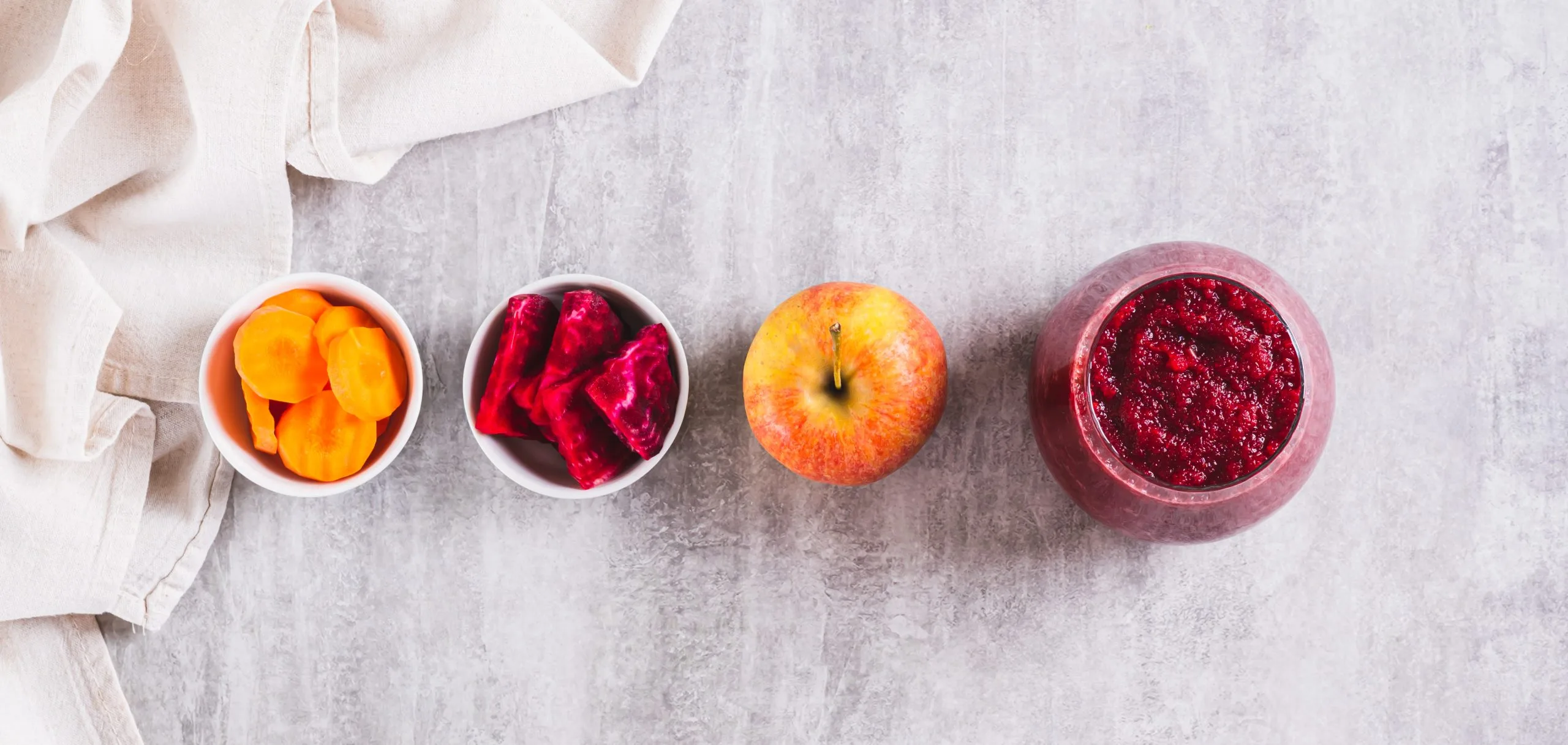
Make drinks your way, with endless possibilities! Frozen Xplosion Original Frappe & Smoothie Base mixes with just about anything: coffee, espresso and cold brew, fresh fruits and veggies, flavored syrups, alcohol and even donuts!

eCommerce Website Design by Wapiti Digital