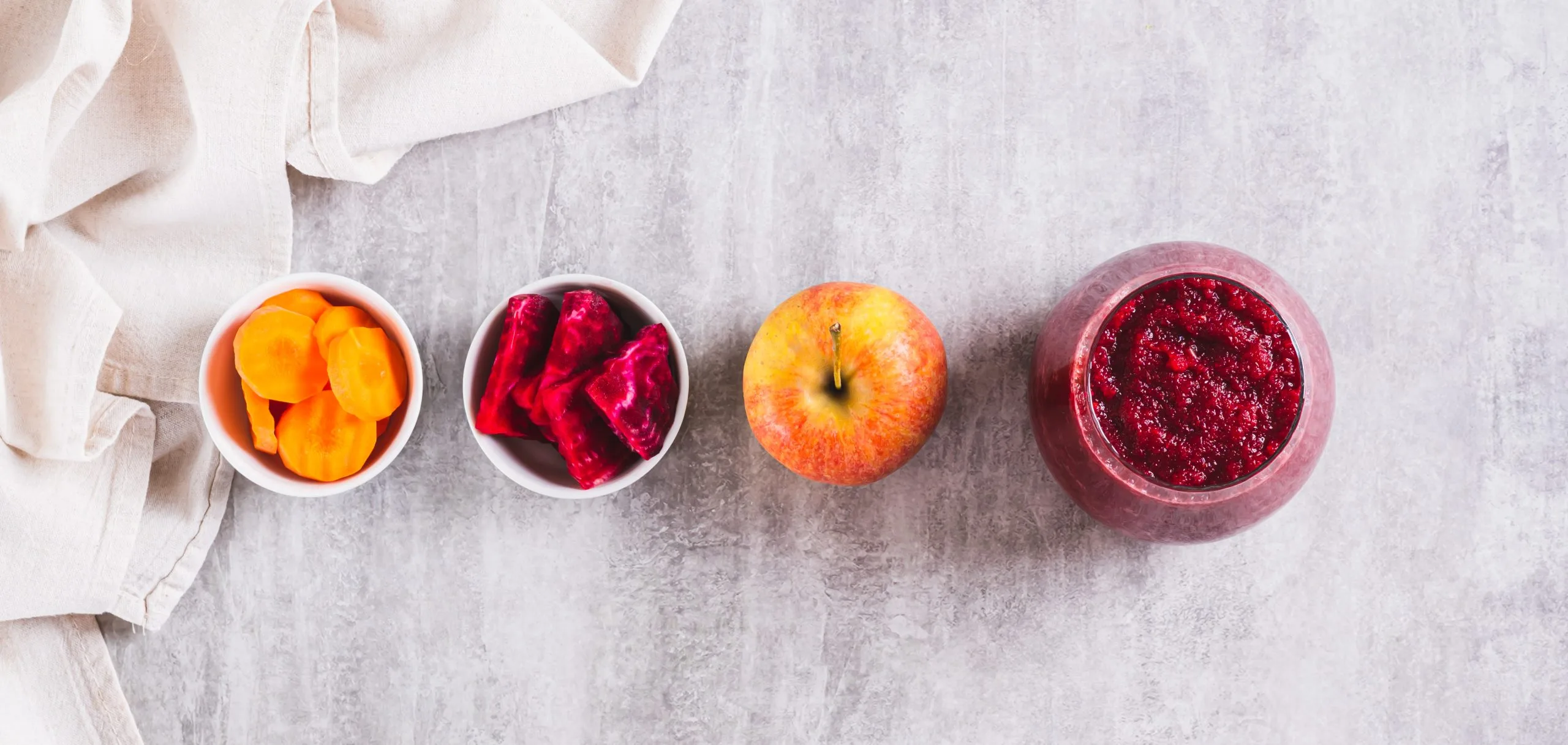
Fruit Concentrate vs Puree vs Fresh Fruit
Fruit concentrate vs puree vs fresh fruit for smoothies. Compare cost, shelf life, consistency, labor, and waste to pick the right format for your shop.
Share This Article


A granita machine only holds and freezes what you give it, so the batch decides the texture. Start with a neutral base dissolved fully in water, scale the standard build to your bowl volume, and judge the first freeze down by how the product folds rather than by a timer. Clean the bowl until the rinse runs clear, and rotate one everyday flavor with one limited item so the machine earns its space.
A granita machine is one of the simplest pieces of equipment in a beverage program and one of the easiest to run badly. The machine itself does very little. It holds a batch, keeps it turning, and freezes it slowly so the ice crystals stay small. Almost everything that decides whether the finished drink comes out silky or grainy already happened before the lid went on.
That makes granita a mixing problem far more than a machine problem. Get the batch right and the machine looks brilliant. Get it wrong and no setting will rescue it. Because The Everybase is a neutral base that blends creamy with nothing but water and ice, every bowl starts from the same place and you decide the flavor at mixing time. Here is how to set one up, read the first batch, and keep the texture holding all day.
A granita machine commits you to whatever you loaded, which makes the base you choose matter more here than anywhere else on the line. With a blender you pick the flavor one drink at a time. With a granita bowl you pick it once, for the next several hours.
That is the hidden cost of a pre-flavored powder in a granita machine. One bowl means one flavor. Two flavors means two bowls, two sets of parts to clean, and two products to forecast. If the flavor you committed to does not sell that day, the loss is the whole bowl. A neutral base moves the decision to mixing time, so the same bag runs a mango bowl on Saturday and a cold brew bowl on Monday.
It keeps the back of house small too. Granitas and slushies are one of the jobs this base is built for, alongside frappes, smoothies, frozen cocktails, and dairy-free soft serve. That is about two square feet of storage instead of a shelf of half-used flavored bags.
Check three things before you open a bag, that the machine is clean and dry, that the seals and auger are seated correctly, and that you know your bowl’s real working volume rather than its printed maximum. Skipping any of them is how a first batch ends up thin, leaking, or overflowing.
Fill lines, freeze settings, and auger speeds vary by manufacturer and model, so follow the machine’s own manual for anything machine-specific. If you are dialing in a new machine or converting one off a pre-flavored product, Frozen Xplosion offers granita setup help, and asking through the contact page beats burning three batches guessing.
Dissolve the base completely in water before any of it reaches the bowl, because a granita machine cannot fix a lumpy mix. The auger keeps product moving and scrapes the freezing wall. It does not blend. Powder that goes in dry will still be powder at the end of the freeze down, and it reads as grit in the glass.
Scale from the standard drink build rather than inventing a bowl recipe. The Original frappe base and smoothie mix builds at two ounces of base for a twelve ounce drink and three ounces for a sixteen ounce drink. Work out how many finished servings your working volume holds, multiply, and you have a starting batch that tastes like the drink your staff already make.
Judge the first freeze down by how the product moves, not by how long it has been running. A batch coming together correctly folds over on itself behind the auger and holds a soft ribbon for a moment before settling back. That is the target, and it beats a stopwatch, because room temperature and bowl load change the timing every day.
Two failure modes cover most bad batches. If the product stays loose and never builds body, the mix is too dilute, meaning too much water or not enough base for that volume. If it climbs stiff, drags the auger, or packs against the wall, the batch is too concentrated or the machine is set colder than the product wants. Correct it on the next batch rather than pouring water into a running bowl.
Taste it cold. Flavor mutes as a drink freezes, so a batch that read balanced warm in the pitcher will read flat in the glass. Build in slightly more flavor than seems right. The videos page shows what correct texture looks like in motion.
Consistency comes from a fixed routine at four points in the day, not from constant adjustment. Write it down, keep it at the machine, and the bowl behaves the same on a new hire’s shift as it does on yours.
| Stage | What to do | Why it matters |
|---|---|---|
| Before service | Confirm seals are seated, bowl is dry, batch mixed to the standard ratio | Catches dilution and leaks before they cost a full bowl |
| During service | Watch the fold behind the auger, top up with pre-mixed batch, never with water | Water thins the bowl and changes the drink mid-shift |
| End of day | Drain, rinse until clear, follow the manufacturer’s cleaning steps | Sugar residue is what makes the next day’s batch taste stale |
| Weekly | Break down removable parts, inspect seals and gaskets, check auger for play | Worn seals cause leaks and uneven freezing before they fail outright |
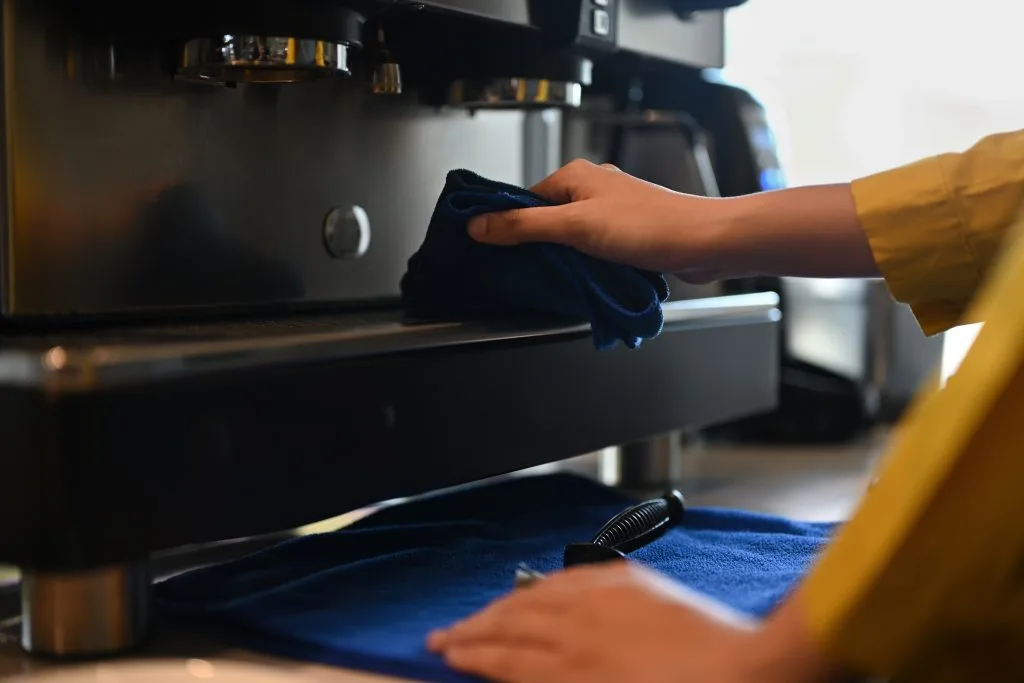
Rinse until the water runs clear and the sweet smell is gone, because leftover sugar is the most common reason a good recipe tastes wrong the next morning. Granita batches are sugar-forward by nature, and sugar film is sticky, invisible on stainless, and happy to sit in a seal groove overnight.
One point worth flagging for shared equipment. This product contains ingredients derived from milk and soy. Manufactured in a facility that processes Milk, Soy, Wheat, and Eggs. If you run separate bowls for guests with dietary requirements, treat the machine, the tools, and the cleaning routine as part of that decision.
Run one flavor that sells every day and rotate a second as a limited item, because a granita machine only earns its counter space if the bowl turns over. A bowl sitting half full until close is a bowl you are paying to refrigerate.
For a coffee-led shop the everyday bowl is usually a coffee granita. The blended coffee build is one shot of espresso or three ounces of cold brew per twelve ounce drink alongside the base, and it scales cleanly. For the rotating slot, a fruit granita built with a Real Fruit Concentrate gives you a visibly different bowl with no second product to stock, starting from the smoothie build of one and a half ounces of concentrate per twelve ounce drink.
Bars and restaurants get a second use from the same machine. Hold a neutral batch in the bowl and add a measured spirit per glass, and the machine handles the slow frozen half of a frozen highball while the bartender handles the fast half. The base contains no alcohol, so the spirit is always something added at service.
The machine does not make the drink. It holds whatever you already decided, for the next four hours.
No. The base is shelf stable and needs no refrigeration before use, so unopened bags can sit on a dry shelf near the machine. That is part of why a granita program is easy to add without renegotiating cold storage. Once a batch is mixed and in the bowl, treat it as a prepared product and follow the manufacturer’s holding guidance and your local food safety rules.
Yes, provided you clean the machine fully between products. What you should not do is carry claims across. The Original base is Gluten Free and Kosher Certified and the Vegan base is not, while the Vegan base is the one free from artificial flavors, colors, and preservatives. If you advertise any of those on a bowl, make sure the sign matches the base in that bowl.
Many operators do, because it turns topping up during a rush into a thirty second job. Mix to the same ratio you would load, keep it covered and cold, and stir before it goes in since a held mix can settle. How long you can hold a prepared mix depends on your own food safety plan and local requirements.
That belongs to your machine’s manufacturer guidance and your local food safety rules, not to a general recommendation. Some machines are designed to hold product overnight and some are not. From a quality standpoint, a bowl that has been turning all day and night rarely tastes as clean the next morning as a fresh batch in a rinsed bowl.
No. Granitas and slushies are both applications of the same neutral base, and the difference comes from your mix and your machine rather than a separate product. A lighter, more dilute batch drinks like a slushie, while a batch with more base behind it carries the denser body people associate with a granita. One bag covers both.
One neutral-flavored base, unlimited drinks. Add your own ingredients and create a menu your competitors can’t copy.
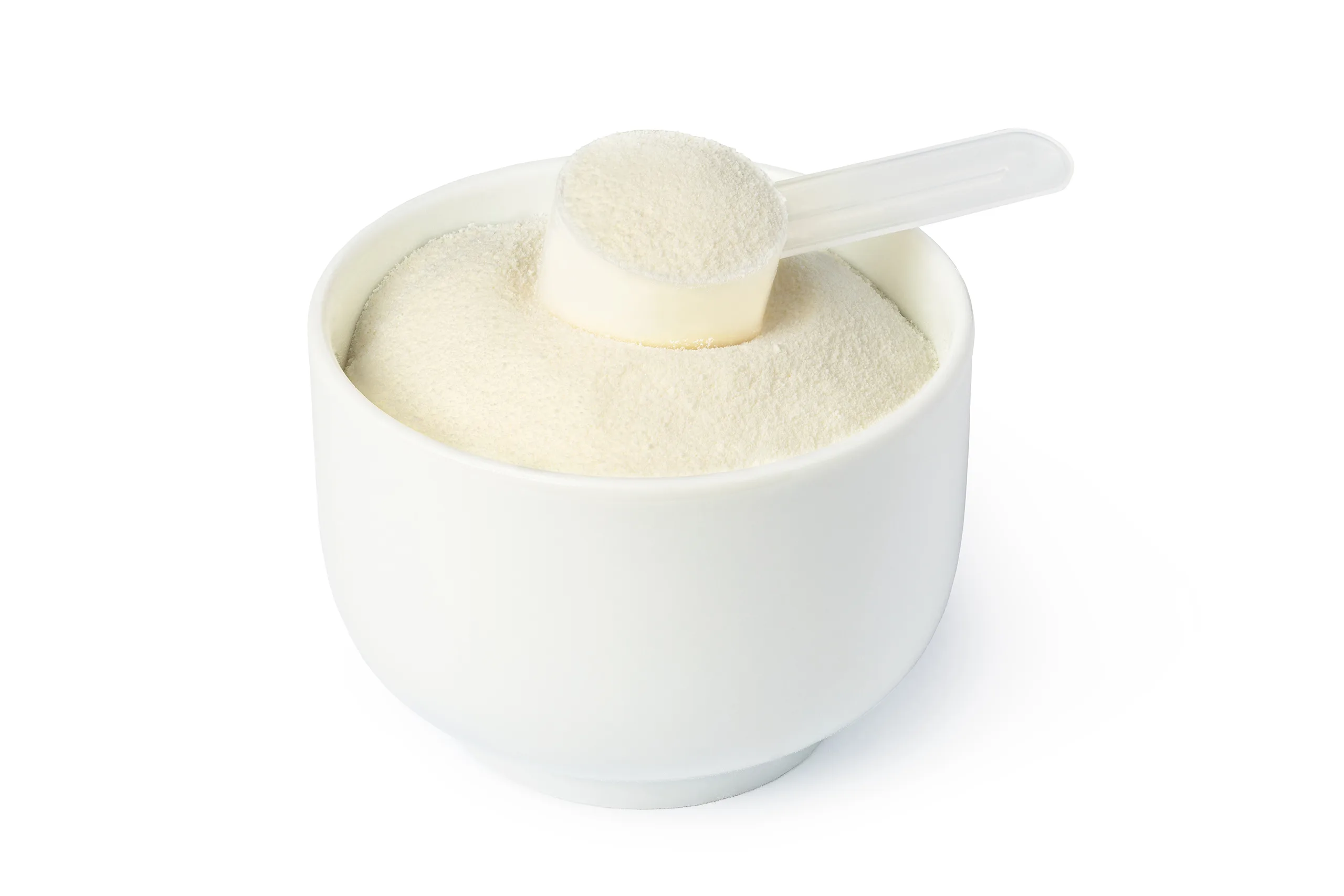
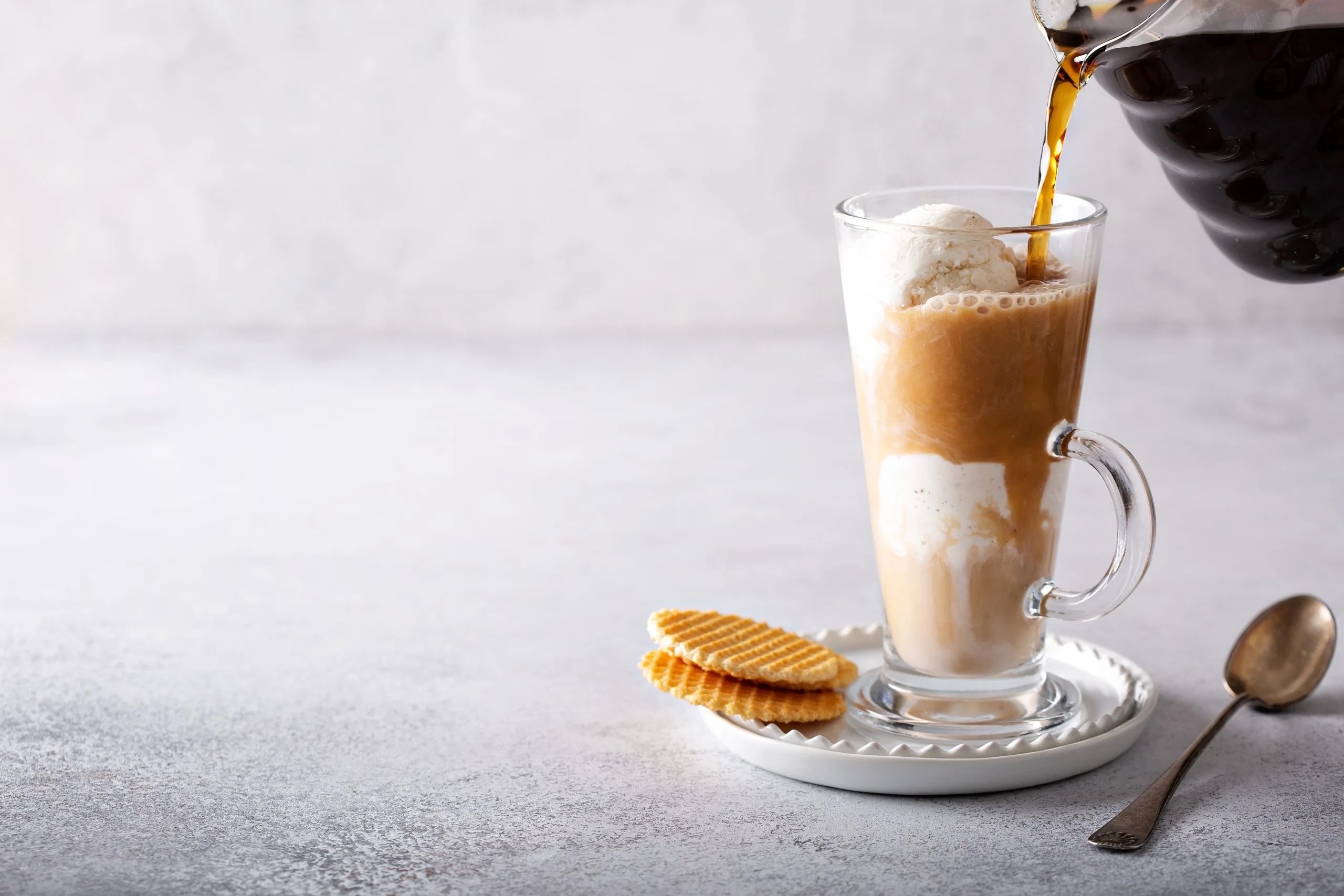
Make drinks your way, with endless possibilities! Frozen Xplosion Original Frappe & Smoothie Base mixes with just about anything: coffee, espresso and cold brew, fresh fruits and veggies, flavored syrups, alcohol and even donuts!

eCommerce Website Design by Wapiti Digital