
Using Fruit Concentrate as a Syrup in Poured Drinks
Can a fruit concentrate syrup replace bottled syrup? Yes. See how operators flavor lemonades, sodas, iced teas, and mocktails with Real Fruit Concentrate.
Comparta este artículo

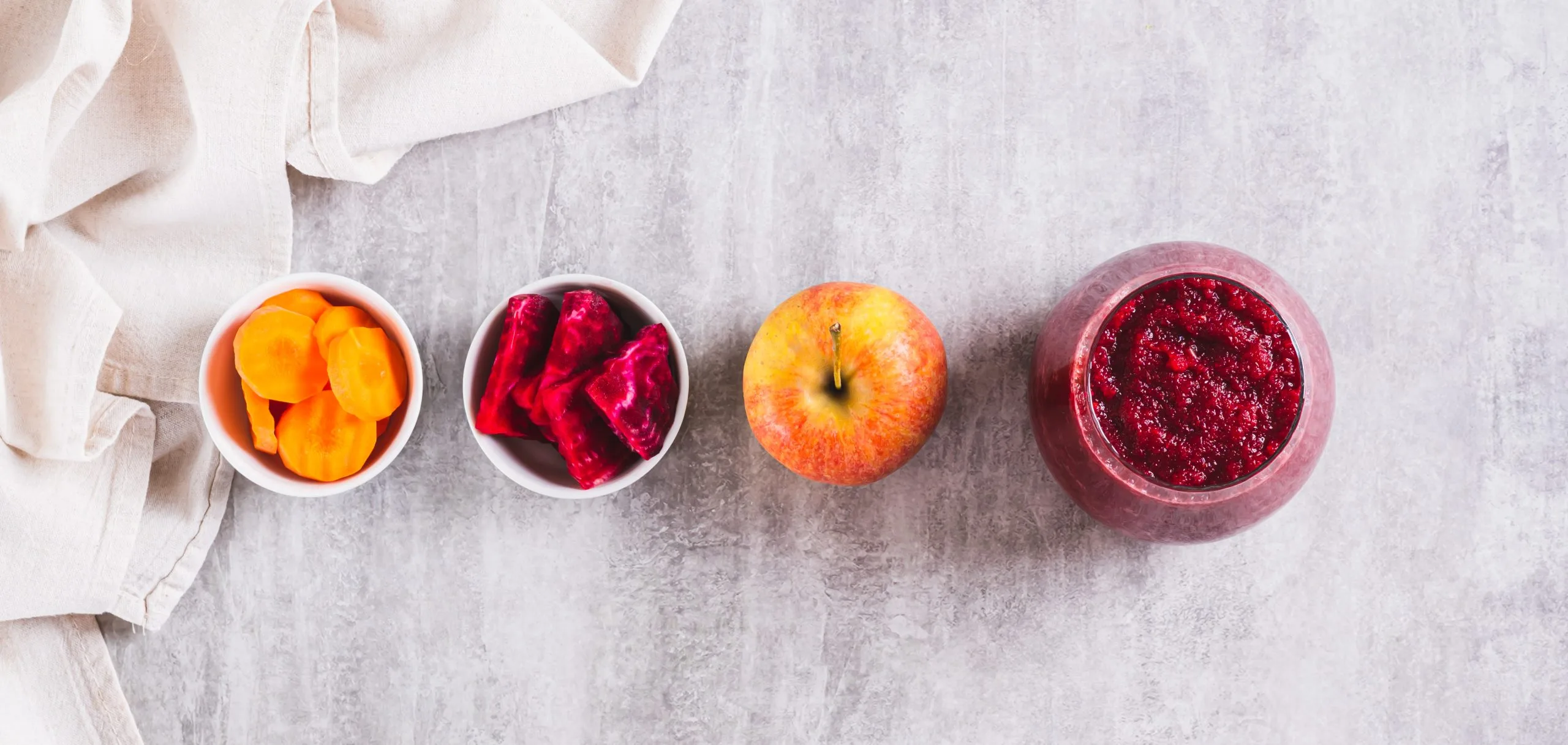
El concentrado de fruta, el puré y la fruta fresca sirven de manera diferente en los smoothies. La fruta fresca tiene un sabor vívido pero se echa a perder rápido y varía según la temporada. El puré ofrece una textura suave con una vida útil más corta y necesidades de almacenamiento en frío. El concentrado ofrece el almacenamiento más estable, una porción precisa y poco desperdicio, con cierta pérdida del carácter de la fruta entera. La opción correcta depende del tamaño de su menú, la mano de obra, el espacio de almacenamiento y cuánta consistencia bebida a bebida requiere su programa.
Elegir cómo incorporar la fruta a un smoothie es una de las decisiones más silenciosas, pero más costosas, que toma un programa de bebidas. El concentrado, el puré y la fruta fresca terminan en la misma jarra de la licuadora, pero se comportan de manera muy distinta en cuanto se supera un puñado de bebidas al día. El formato que usted estandarice define su costo por vaso, su almacenamiento, su tiempo de preparación y con qué frecuencia desecha producto que se echó a perder antes de venderse. Frozen Xplosion vende fruta en formato embotellado, su línea Real Fruit Concentrate, pero esta guía compara primero el formato en sí frente a las alternativas antes de recomendar algo.
Esta es una guía de decisión, no una receta. Si usted ya sabe qué formato desea y solo necesita el método, eso es un tema aparte. Aquí el objetivo es más simple y más útil desde el inicio: entender cómo se comparan el concentrado de fruta, el puré y la fruta fresca en costo, vida útil, consistencia, mano de obra y desperdicio, para que pueda elegir el formato que se ajuste a su operación en lugar de usar por defecto lo que usaba el dueño anterior.
La diferencia principal es el agua y el procesamiento. La fruta fresca es entera y sin procesar, el puré es fruta licuada hasta quedar suave conservando la mayor parte de su agua, y el concentrado ha tenido gran parte de esa agua removida, de modo que una pequeña porción aporta mucho sabor. Todo lo demás que le importa a un operador se deriva de esa única diferencia.
La fruta fresca ofrece el sabor más auténtico y el mayor atractivo visual, y los clientes confían en ella a simple vista. La contrapartida es que llega según el calendario de la naturaleza, no el suyo. La madurez, la variedad y la temporada cambian constantemente, y una caja que se ve perfecta el lunes puede estar blanda para el jueves.
El puré está un paso más abajo en la cadena de procesamiento. Es suave, se vierte con facilidad y elimina la mayor parte del trabajo de corte, pero aún conserva el agua de la fruta, por lo que ocupa espacio real de almacenamiento y generalmente necesita refrigeración una vez abierto. El concentrado es el más procesado de los tres. Como se le ha quitado el agua, una porción medida entrega un sabor concentrado de fruta desde una botella pequeña y estable, y es justamente por eso que cambia la ecuación de almacenamiento, mano de obra y desperdicio.
Por bebida, el concentrado suele ser el más predecible y a menudo el de menor costo efectivo, porque usted vierte una cantidad pequeña y medida y desecha casi nada. La fruta fresca parece barata por libra, pero conlleva costos ocultos en recorte, deterioro y variaciones de precio estacionales que nunca aparecen en la factura.
El número que importa no es el precio de etiqueta del formato, sino el costo de la fruta que realmente llega al cliente que paga. Con la fruta fresca, usted paga por cáscaras, núcleos, piezas magulladas y todo lo que se marchita antes de venderse. Con el puré, paga por el peso del agua en el envío y almacenamiento, además de lo que queda en un recipiente que se echó a perder antes de terminarlo. Con el concentrado, casi cada onza que compra termina en una bebida, y la porción es siempre la misma, por lo que su costo por vaso deja de variar.
Mantenga los precios solo como referencia en su propia planificación, ya que los costos por caja y botella cambian con el tiempo. Para conocer los precios actuales de botella individual y paquetes múltiples de Frozen Xplosion Real Fruit Concentrate, consulte la página de producto y compárelo con lo que realmente cuesta su fruta fresca después del recorte y el deterioro, no antes.
El concentrado dura más y ocupa menos espacio, la fruta fresca se echa a perder más rápido y exige más almacenamiento en frío, y el puré queda en un punto intermedio, pero generalmente necesita refrigeración o congelación una vez abierto. El almacenamiento es donde los tres formatos se diferencian con mayor claridad para una cocina en operación.
La fruta fresca es una cuenta regresiva desde el momento en que llega. Necesita espacio refrigerado, rotación cuidadosa y un plan para las piezas que maduran más rápido de lo que usted puede venderlas. Una semana lenta se convierte directamente en mermas. El puré alivia la presión de rotación, pero aún ocupa espacio frío por volumen, porque usted está almacenando el agua de la fruta junto con su sabor.
El concentrado es el formato que le devuelve espacio en su cámara fría. Unas pocas botellas pequeñas contienen el equivalente en sabor de mucho más producto fresco, y las botellas no compiten contra el reloj como lo hace la fruta cortada. Siga siempre las indicaciones de almacenamiento en la etiqueta y en la página del producto para cada concentrado específico, ya que las condiciones exactas de conservación varían según el producto, pero como categoría, el concentrado es el que se adapta a un espacio reducido y perdona un día lento.
Así es como se comparan los formatos en los factores que definen un programa de smoothies. Las calificaciones son una guía general para el operador, no cifras fijas, y sus propios números dependerán de su menú, volumen y costos locales del producto.
| Factor | Fruta fresca | Puré | Concentrado |
|---|---|---|---|
| Previsibilidad de costo | Baja, varía con la temporada | Moderado | Alta, fija por porción |
| Costo efectivo por bebida | Variable, recorte y deterioro ocultos | Moderado | Baja y estable |
| Vida útil | La más corta | Corta a moderada | La más larga |
| Espacio de almacenamiento | El mayor, necesita espacio frío | Moderado, a menudo frío | El menor |
| Mano de obra de preparación | La más alta: lavar, pelar, cortar | Bajo a moderado | La más baja: verter y licuar |
| Consistencia entre lotes | La más baja | Moderado | La más alta |
| Riesgo de merma | La más alta | Moderado | La más baja |
| Carácter de fruta entera | La más alta | Altos | Menor |
El concentrado gana en consistencia porque cada porción es medida e idéntica, mientras que la fruta fresca varía de lote a lote según madurez, variedad y temporada, y el puré queda en un punto intermedio. Si un cliente habitual pide el mismo smoothie todas las mañanas, el formato que usted eligió determina si recibe la misma bebida cada mañana.
La fruta fresca es la más difícil de estandarizar. Dos fresas nunca son igual de dulces, un mango poco maduro sabe soso, y uno demasiado maduro domina todo el vaso. Su personal termina calculando el sabor a ojo y ajustando sobre la marcha, lo cual funciona para una persona con experiencia, pero falla entre turnos y con personal nuevo. El puré es más estable porque ya viene licuado y dosificado por volumen, aunque el sabor aún puede variar entre lotes y proveedores.
El concentrado es el formato diseñado para la repetibilidad. Una porción fija de la misma botella produce el mismo sabor, ya sea que la sirva su mejor barista o un aprendiz en su segundo día. Para una operación en crecimiento, esa previsibilidad a menudo vale más que el último matiz de la fruta fresca, porque protege la experiencia del cliente a medida que agrega personal y locales.
Rara vez un formato gana en todos los aspectos. La mejor opción es aquella cuyas debilidades su operación pueda absorber.
La fruta fresca es el formato que más mano de obra exige y más desperdicio genera, mientras que el concentrado es el más rápido y eficiente, pasando directo de la botella a la licuadora en una porción medida. Durante una hora pico, el formato determina si su línea sigue avanzando o se atasca en la estación de preparación.
La fruta fresca debe lavarse, pelarse, cortarse y dosificarse antes de que salga una sola bebida, y cada uno de esos pasos es una oportunidad de perder producto y tiempo. El recorte va al bote de basura, la fruta cortada se oxida, y una tarde ocupada lo deja corto de preparación o con exceso de desperdicio. El puré elimina la mayor parte del corte, por lo que es más rápido de trabajar, pero un envase abierto sigue teniendo un reloj encima, y los envases a medio usar se convierten en mermas.
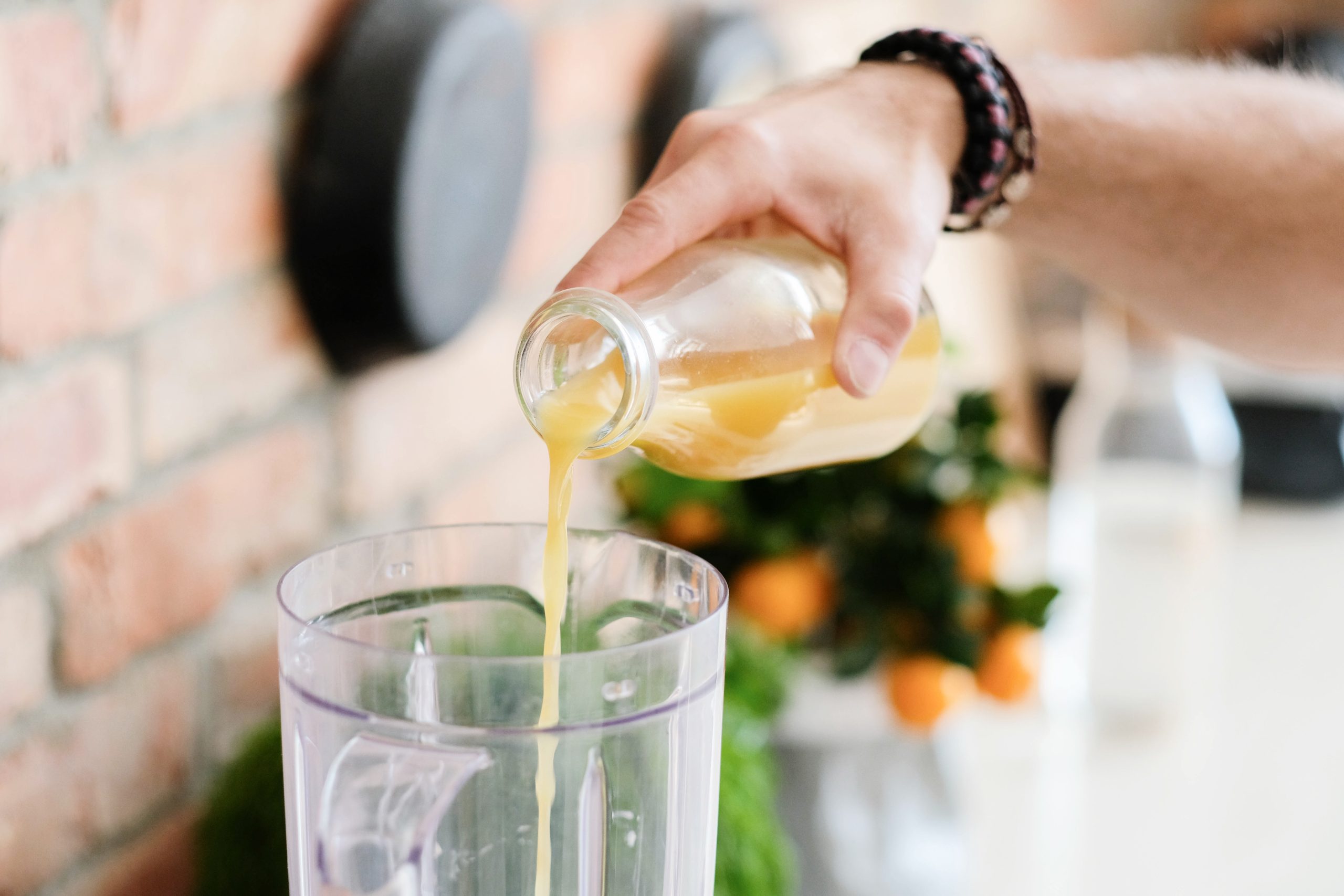
El concentrado reduce todo ese flujo de trabajo a una simple porción. Con Frozen Xplosion, la preparación estándar de un smoothie de 12 oz es 2 oz de base más 1.5 oz de Real Fruit Concentrate o fruta real, más aproximadamente 3 oz de agua y hielo, licuado y servido. No hay tabla de cortar, no hay oxidación, no hay envases a medio usar compitiendo contra el reloj. Esa es la razón práctica por la que el concentrado genera el menor desperdicio de los tres: usted vierte exactamente lo que la bebida necesita y el resto permanece sellado y estable. Puede ver la preparación completa y otros formatos en la página de recetas.
Elija el formato cuyas debilidades su operación pueda absorber, no el que obtenga la mejor puntuación en papel. Una cafetería tranquila tipo puesto agrícola con una fuerte historia de producto local puede hacer funcionar la fruta fresca, mientras que un drive-thru o un grupo con múltiples locales casi siempre necesita la velocidad, consistencia y bajo desperdicio del concentrado.
La mayoría de los programas en crecimiento terminan usando el concentrado como base principal y mantienen un acento opcional de fruta fresca para una línea premium o una guarnición, que es exactamente lo que permite la fórmula estándar de smoothie al tratar el concentrado y la fruta real como intercambiables en el paso de la fruta. Si desea ver cómo se arma un menú basado en concentrado entre sabores y tipos de bebida antes de comprometerse, el recetario gratis es una forma de bajo riesgo de planear una línea de productos primero en papel.
Sí. Muchos operadores usan el concentrado como base constante de sabor y agregan un trozo de fruta fresca para textura visible o una guarnición de la casa. La fórmula estándar de smoothie trata el concentrado y la fruta real como intercambiables en el paso de la fruta, por lo que puede apoyarse en uno, en el otro, o en ambos, según la bebida y el inventario del día.
No. El jugo de fruta se acerca más al contenido de agua de la fruta entera y se sirve en volúmenes mayores, y un jarabe es principalmente edulcorante con saborizante. Un concentrado de fruta tiene el agua removida de la fruta misma, por lo que una pequeña porción medida entrega un sabor de fruta concentrado. Por eso las porciones de concentrado son pequeñas y repetibles en comparación con el jugo.
Para efectos de planificación, trate la fruta congelada como una variación del formato fresco. Resuelve algunos de los problemas de deterioro y estacionalidad de la fruta fresca y aporta frío a la mezcla, pero aún necesita espacio de congelador, se descongela de forma inconsistente y conserva la misma variabilidad de preparación y dosificación una vez que llega a la licuadora.
No necesariamente. Un programa basado en concentrado puede funcionar sin nada de fruta fresca, lo cual es parte de su atractivo para cocinas pequeñas y drive-thrus. Algunos operadores mantienen algo de fruta fresca para guarnición o una línea premium, pero se convierte en un acento opcional en lugar del núcleo de la bebida.
Frozen Xplosion Real Fruit Concentrate está disponible en Fresa, Mango, Wildberry, Crema de Naranja, Piña Colada, Frambuesa Azul y Limonada. Se vende en botella individual o en paquete de seis, para que pueda probar un sabor o abastecer una línea completa de smoothies. Consulte las páginas de producto para tamaños y precios actuales.
Una base de sabor neutro, bebidas ilimitadas. Agregue sus propios ingredientes y cree un menú que sus competidores no puedan copiar.


¡Prepare bebidas a su manera, con posibilidades infinitas! Frozen Xplosion Original Frappe & Smoothie Base se mezcla con casi todo: café, espresso y cold brew, frutas y verduras frescas, jarabes saborizados, alcohol e incluso donas.

Diseño de sitio web de comercio electrónico por Wapiti Digital